VARA has licensed 50 companies, with 20 more on the way. The applications driving that growth are tied to stablecoins and tokenised real world assets. This piece breaks down what that actually means, who it's built for, and why it matters to investors at every level.
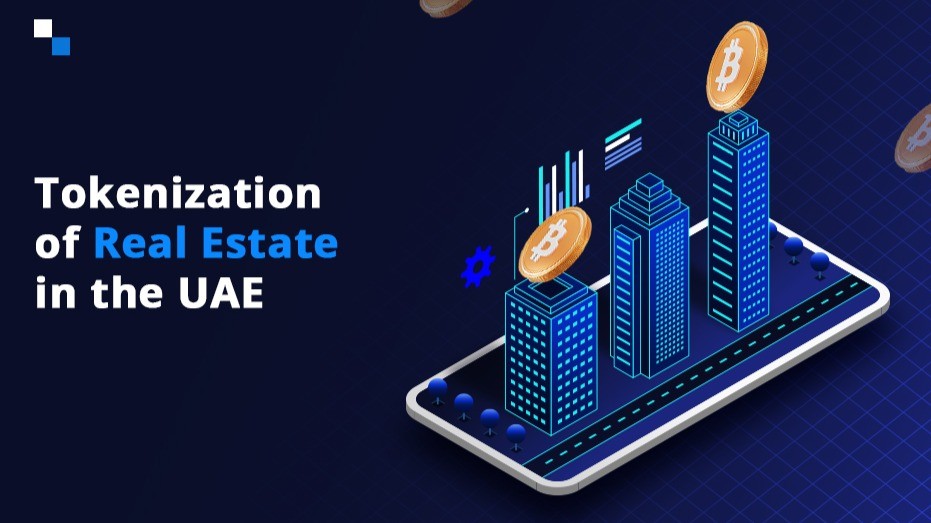
Still picturing Dubai’s crypto scene as a playground for exchanges and Bitcoin bros? You’re using an old map. Here’s the thing: the companies knocking on VARA’s door aren’t pitching another trading venue. They’re building pipes. Stablecoin systems. Tokenised property platforms. Blockchain rails for the stuff banks actually use. The shift took a while to show up. But you can’t miss it now.
VARA crossed 50 fully licensed firms in mid-2026, with roughly 20 more in the queue. Licence number 50 went to Tribe Tokenisation FZE, a Dubai outfit that lets investors buy fractional stakes in UAE real estate via blockchain tokens. That’s not a random milestone pick. It’s the direction of travel.
How Does Tokenisation Actually Work in Practice?
Forget the jargon. Tokenisation just turns ownership into something digital and sliceable.
Say a property’s worth AED 10 million. Old rules: buy the whole thing or walk away. Tokenisation chops it into thousands of digital tokens, each a clean fraction of ownership you can actually afford. You buy a piece. It gets recorded on a blockchain. Public, permanent, no notary, no weeks of paperwork, no middleman clipping a fee every five minutes.
Paul Boots, senior director at VARA, put it simply: it’s about creating efficiencies and making trade more cost effective. That’s the real pitch. Less friction. Fewer hands in the till. Fewer delays that kill deals.
Stablecoins slot right in. They’re digital currencies pegged to something steady like the US dollar or the UAE dirham, and when you buy a tokenised property or trade a tokenised commodity, you usually pay with one so the price doesn’t swing mid-transaction. Nobody wants to wake up and find their settlement currency dropped 20% overnight.
Predictability is the point.
Who is Dubai Real Estate Tokenisation Actually Built For?
Two groups win here. They want completely different things.
Start with retail. For years, Dubai’s prime real estate told anyone with AED 50,000 to take a hike. A slice of a tower? A high-end residential project? Not happening. Tokenisation rewrites that. Scott Thiel, CEO of Tokinvest, said it straight: the ability to legally buy an amount you can afford, on-chain, is going to unlock a lot of new capital. He’s right. A young professional. An expat. A first-time investor. They can finally get exposure without writing institutional cheques.
Now flip to the pros. Banks, funds, trading firms. They don’t care about access. They care about speed, auditability, and cost. On-chain settlement moves faster, the audit trail is cleaner, fees drop. Push big volumes through that pipe and the savings stack quickly.
Scale check: regulated virtual asset volumes in Dubai hit close to AED 2.5 trillion last year. That number honestly surprised me the first time I saw it. Same infrastructure, wildly different users.
Different problems, one rail.
Why Does a VARA Licence Matter So Much for Digital Asset Investors?
A VARA licence isn’t paperwork. It’s what gets institutional money off the sidelines.
Dubai stood VARA up in 2022 with a clear brief: regulate virtual assets tightly enough to attract serious players without strangling innovation. And look, it worked. Names like Binance, OKX, and Crypto.com chose to operate under that framework. They had options. They picked Dubai partly because VARA tells you exactly what the rules are.
For investors, that clarity is protection. A VARA-licensed platform has capital requirements, compliance obligations, and a cop who can step in when something breaks. Compare that to the wild west, where the platform disappears overnight and your recourse is a Telegram thread.
The bigger picture is a little messier than the marketing suggests. Dubai is going toe-to-toe with Singapore and Hong Kong for digital asset business, each city selling its own version of “clear rules,” and VARA’s regime is the centrepiece of Dubai’s pitch. Dubai isn’t tolerating this industry. It’s building guardrails so it can scale.
Rules are the invite.
Frequently Asked Questions
What are the current VARA licence requirements for digital asset companies in Dubai?
You need a VARA licence to offer any virtual asset services in Dubai, full stop. That means hitting compliance standards, holding enough capital, locking down security, and showing you can actually protect consumers. Right now, most new approvals are going to platforms dealing in tokenised real world assets and stablecoins, which tells you where the demand is.
How can a retail investor buy tokenised real estate in Dubai?
Go through a VARA-licensed platform that does fractional property ownership. They issue blockchain tokens tied to real physical properties and you buy however many fit your budget. Tribe Tokenisation FZE is already doing this in the UAE. You don’t need a big cheque to get started.
Why are stablecoins used in tokenised asset transactions?
Because nobody wants price volatility in the middle of a property deal. Regular crypto can move 10-20% while a transaction is settling. Stablecoins are pegged to something like the US dollar, so the value holds steady from start to finish. Boring is good here.
Is ownership of tokenised real estate in Dubai legally recognised?
Yes, if the platform is VARA-licensed and operating inside Dubai’s regulatory framework. The blockchain gives you a permanent, tamper-proof record of ownership, and the regulatory layer means there’s actual legal backing behind it. It’s not the wild west.
What separates real world asset tokenisation from regular crypto trading?
Crypto trading is a bet on price movement. You buy a coin hoping it goes up. Real world asset tokenisation is different because the token is tied to something physical, a property, a commodity, a financial instrument. The value comes from the underlying asset, not from what the market feels like that day.