WhatsApp usernames let you chat without sharing your phone number, improving privacy for individuals and businesses. But they also introduce new impersonation risks. Here's how the feature works, the scams to watch for, and the security measures WhatsApp has added to keep users safer.
WhatsApp Usernames Are Coming: Here's How to Stay Safe From Scams and Fake Accounts
- Sheraz S
- July 2, 2026
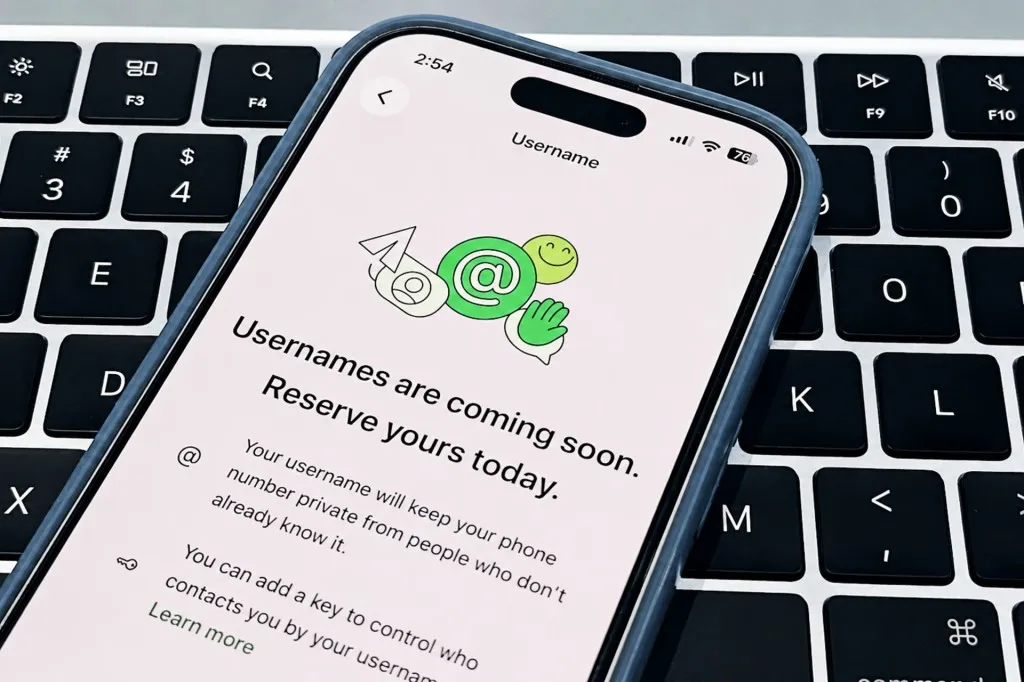
Soon you’ll be able to message people on WhatsApp without handing over your phone number. If you’ve ever sold something on Dubizzle or dealt with a new client and thought, great, now this stranger has my personal number forever, you already understand why usernames matter. It’s a genuinely useful change. It also gives scammers something new to play with, because any system built on names instead of numbers is a system where pretending to be someone else gets easier. I want to walk through how the feature works, what can actually go wrong, and what WhatsApp has built to stop it, because most of the panic I’ve seen online skips the details.
What Are WhatsApp Usernames and How Do They Work?
A username is a handle attached to your account. Someone who knows it can message you without ever seeing your number. Same idea as Telegram, and if you’ve used that app you can skip ahead a paragraph.
What’s live today is only the reservation step. You pick your name inside the app and it’s locked to your account, but nobody can message you through it yet. The messaging part rolls out slowly later this year. Which means there’s a gap right now, and the sensible move during that gap is to claim your name and your business name before anyone else does. Treat it like a domain. You wouldn’t wait around on a domain either.
When messaging does switch on, the other person sees your handle and whatever profile info you’ve allowed. Your number stays yours until you decide otherwise.
Why Are People Worried About WhatsApp Username Scams?
Because names are easier to fake than numbers, basically.
A random foreign number claiming to be your bank convinces nobody anymore. We’ve all had those calls and we’ve all hung up. But a handle that reads almost exactly like the bank’s real name carries weight it hasn’t earned. One character swapped, a capital I where a lowercase l should be, and most people scrolling on a phone will never catch it. That’s the whole trick, and it’s ancient. Fake courier accounts asking you to confirm a delivery fee, fake support agents helping you “verify” an OTP, a profile wearing some public figure’s name to sell an investment scheme. Nothing here was invented for WhatsApp. It just hasn’t had a surface like this before, and people trust WhatsApp in a way they don’t trust email or Instagram DMs, which is exactly what makes it worth worrying about.
How Is WhatsApp Protecting Users From Fake Accounts?
Meta has confirmed a stack of protections, and credit where it’s due, it’s a more serious list than I expected.
The visible one is the context card. First time a stranger messages you through a username, the app tells you a few things up front: how new the account is, whether you’re already in each other’s contacts, whether you share any groups, and whether they’re messaging from another country. That card does most of your thinking for you. A two-week-old account, foreign country, no mutual anything? You don’t need to read the message. You already know.
The less visible protections matter more, honestly. Before reservations even opened, WhatsApp pulled the names of celebrities, banks, government bodies and verified accounts off the table, plus the lookalike spellings of those names. So the laziest and most damaging impersonation route is closed before it opens. Phone verification isn’t going anywhere either. You still can’t run a WhatsApp account without a real number behind it, and that’s the thing that has always kept bulk fake accounts expensive to create.
Then the throttles. New accounts get limits on how many strangers they can contact. If someone keeps trying to guess a username key, the attempts get blocked. And there are systems watching for the behavioral fingerprints of scam operations, removing accounts that match.
Quick side-by-side of what’s covered:
| Potential Threat | Built-In Protection |
|---|---|
| Impersonating brands or public figures | Famous names and lookalike spellings reserved before launch |
| Mass cold messaging | Contact limits on new accounts |
| Guessing usernames to find people | Repeated guesses blocked |
| Fake accounts at scale | Phone verification still mandatory |
| Pressure from unknown senders | Context card shows account age, country, shared groups |
Who Should Use WhatsApp Usernames?
Anyone whose number travels further than they’d like. That’s the honest answer.
Sellers on marketplaces who give their digits to every buyer. Freelancers onboarding new clients. Property agents, recruiters, community admins, small shop owners with a number printed on the packaging. If strangers contacting you is part of how you earn, a username puts a door between your work life and your personal phone, and you get to decide who walks through it.
And if your WhatsApp is just family and school friends? Fine, nothing changes for you day to day. Reserve your name anyway. Five minutes now beats discovering later that someone parked on the handle matching your name or your shop.
How to Protect Yourself When Usernames Go Live
Reservation first. I’ve said it twice already because it’s the only step with a deadline attached.
Beyond that, the habits are old ones pointed at a new surface. A bank or courier that opens the conversation through a username gets treated as fake until proven otherwise, and proving otherwise means you contacting them through the official app or site, not continuing the chat they started. No real company collects OTP codes over a cold message. None. That rule has no exceptions and it never will.
Slow down on spelling when money’s involved. Lookalike handles only work at skimming speed, so don’t skim. Read the handle properly before you pay anyone or share anything.
Last thing, and people skip this one: report the suspicious accounts instead of just blocking and moving on. Blocking protects you. Reporting feeds the detection systems and protects whoever the scammer messages next.
The number-sharing problem was real and usernames solve it with more guardrails than these launches usually get. What’s left over is the human part, the part no platform patches: a convincing name and a reader in a hurry. WhatsApp got safer this year. The rule stayed the same as it’s always been, though. Verify the person before you trust the message.
Frequently Asked Questions
Do WhatsApp usernames hide my phone number?
They do. Once messaging through usernames is live, the other person sees your handle, not your number, unless you share it yourself.
Can I reserve a WhatsApp username right now?
Reservations are already open inside the app. Actual messaging through usernames isn’t live yet and arrives gradually later this year.
Can scammers register fake usernames of famous people or banks?
Not easily. WhatsApp held back the names of public figures, government entities and verified accounts before opening reservations, and it’s holding the lookalike spellings too, so those handles only go to their real owners.
How will I know if a username message is a scam?
The context card is your first check. New account plus foreign country plus no shared groups or contacts is the standard scam profile. Beyond that, any unexpected message asking for OTP codes or payments answers its own question.
Do I still need a phone number to use WhatsApp?
You do. Phone verification stays mandatory for every account. Usernames only change what other people see, not how your account is registered.
Someone is impersonating me or my business on WhatsApp. What now?
Report the account from inside the chat so the abuse systems can act on it, and claim your real username if you haven’t. Holding the genuine handle is the strongest defense against copycats you’ll get.
Recent posts


Categories
Categories
- AI and Intelligence (2)
- Business (3)
- Crypto (2)
- Fintech (1)
- Stocks and Equities (1)
- Trends (2)
Makrket

Sheraz S
Sheraz is a business focused professional who closely follows market trends, emerging technologies, and growth opportunities. His expertise lies in helping businesses understand changing consumer behavior, digital transformation, AI adoption, branding, and scalable marketing strategies. He believes every business decision should be backed by data, market demand, and long term sustainability.
View all posts