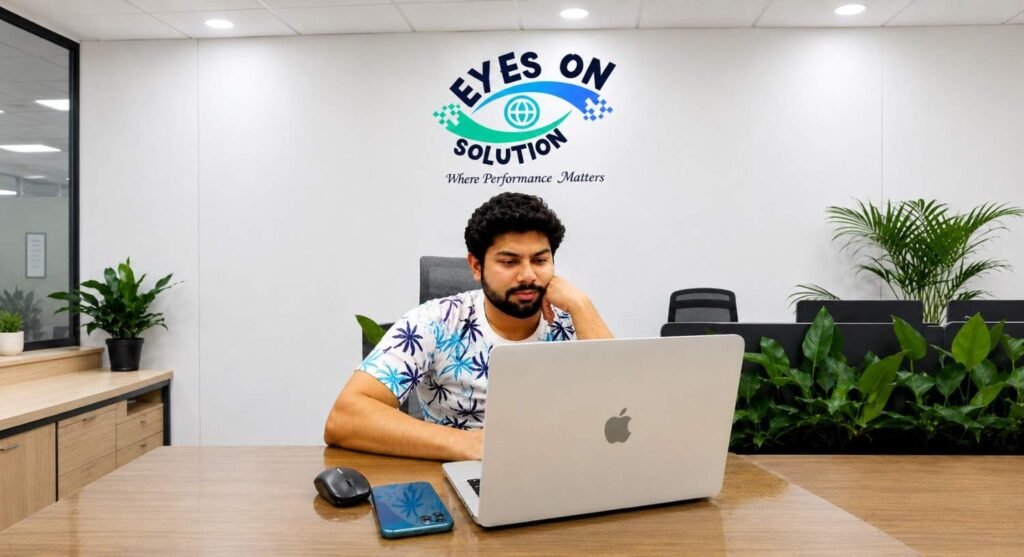
I am Aqib Ijaz. I work in SEO and digital marketing, and I write about technology, fintech, crypto, and stocks. For years, I ran my freelance work from my home country, and the hardest part was never the work itself. It was getting paid.
If you are a non UAE national wondering whether the UAE makes freelancing and running a business easier, my answer is yes, and the reason is simple. The UAE fixed the two things that used to eat my time every week: receiving international payments and moving across borders. Once I had a freelance permit and an Emirates ID, most of the friction disappeared.
Back home, a client would send a payment and my bank would hold it for several days to verify it. PayPal does not work for people in my country. Stripe is not an option either. So every invoice turned into a waiting game, and sometimes into a phone call explaining to a client why I could not accept the payment method they normally use. That is a bad look when you are trying to win repeat work.
This is my own experience, not legal advice. I will walk through the payment and banking side, then the visa and Emirates ID side, and then the part of my life the UAE base actually made possible, which is travel. I have been to a good number of countries, and having an easy place to fly in and out of changed how I plan trips.
A Quick Word on What I Actually Do
Most of my work sits on the off page and technical side of search. I run Guest Posting across a network of more than 60,000 sites, and I stick to premium, editorial placements rather than PBNs or low quality pages. That covers white label Link Building for other SEO agencies, Brand PR, and PR Placement in real publications, plus multilingual campaigns when a client needs reach in more than one language.
I also handle technical SEO audits and Local SEO for businesses that live or die on map results. These days a good part of that means optimising for AI overviews too, the work people are starting to call AEO and GEO. On Upwork, I hold Top Rated Plus, which I only mention because clients ask about it.
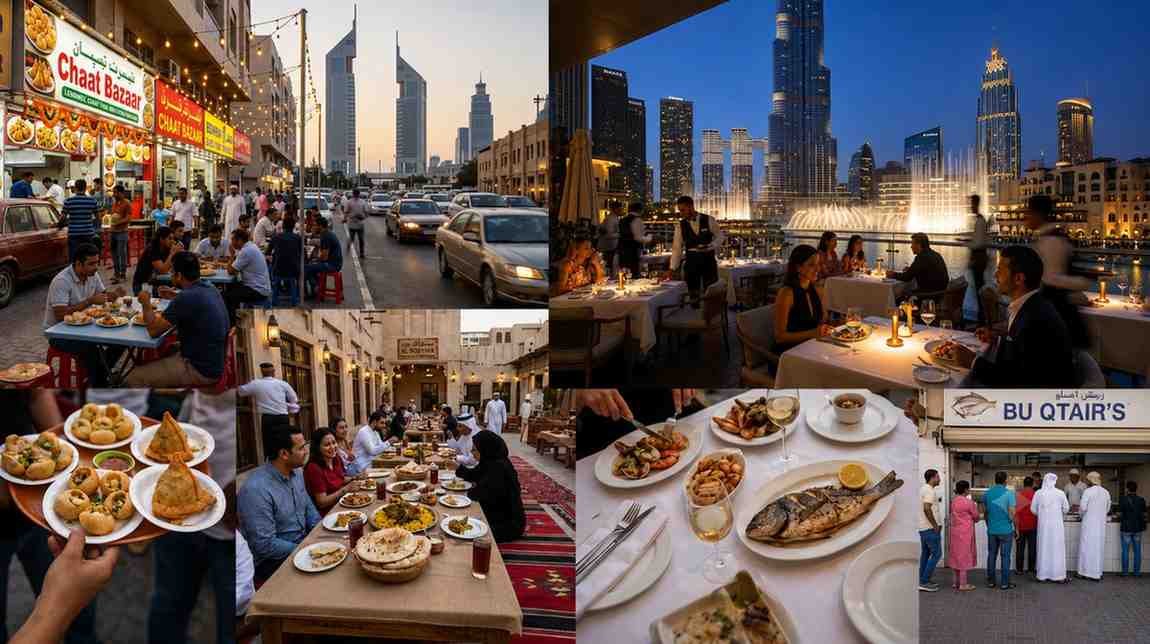
A big chunk of my client list is here in the UAE. I have worked with local brands like Amaya, known for one of the better breakfasts near Dubai Mall, along with Bohox, Trove, and hundreds of others. Working with UAE businesses is a large part of why the country stopped being a place I only visited and became the place I based my work.
The Payment Problem that Pushed me Toward the UAE
Let me be specific about the pain, because if you are reading this, you probably feel it too.
When you freelance from a country that big payment platforms ignore, your clients feel it before you do. A US or European client asks for your PayPal. You do not have one. They offer Stripe. Not available. You fall back to a bank wire, and then your own bank sits on the incoming money while it runs checks. I have had funds held for close to a week. During that week I could not pay for my tools, my writers, or my hosting.
Card processing was the same story. Setting up a way to charge clients directly was slow, and often not possible at all for a small operation. So I lost some clients purely on payment convenience, not on skill or price.
The UAE changed that math. With a proper freelance or company setup, I could open a business bank account that international clients recognise. Wires clear in a normal timeframe. I can hold more than one currency. When a client asks how they can pay, I finally have a clean answer.
Setting Up as a Freelancer or Company Holder
You do not have to be an Emirati to work legally in the UAE. The country runs on free zones, and several of them sell freelance permits and small business licences to foreigners. That was the door for me.
A freelance permit lets you invoice legally under your own name. A trade licence through a free zone lets you run it as a company, hire people, and sign bigger contracts. Which one you pick depends on your income and how you want clients to see you. If you are starting out, compare a few free zones on cost and on which activities they allow, because the licence has to match what you actually do, whether that is marketing, media, or IT services.
The tax side is the part people ask me about most. The UAE has no personal income tax, so the money you earn as a freelancer stays with you. Corporate tax now applies to companies above a set profit level, so if you go the company route, check where you land. Do not treat a stranger’s blog as your accountant. I sat with someone who knew the rules before I committed.
The Emirates ID Changed How I Travel
Here is the part I did not expect to matter so much.
As a passport holder from my country, visas were always a headache. Applications, appointments, bank statements, waiting, and sometimes a refusal after all of it. Travel felt like something I had to earn permission for every single time.
Once I was a UAE resident with an Emirates ID, a lot of that eased up. Residency makes several visas simpler to get, some countries become visa on arrival or e visa, and a few Gulf trips need barely anything. I will not claim the Emirates ID is a magic key to every border, because it is not. But as a base, it opened doors my passport alone kept shut.
The practical version: I can plan a trip in a week instead of a month. That is a big deal when a chunk of your life is spent on the move.
The Countries I have Visited and Why They are Worth it
Travel is the reason I wanted an easier base in the first place. I have been lucky to see a fair share of the world already. Here are the ones I would send any traveller to, with a quick honest note on each.
● Japan. Clean, safe, and the trains run to the second. Go for the food and the way old temples sit next to neon streets.
● Turkey. Istanbul alone is worth the flight. One side of the city is in Europe, the other in Asia, and the food is everywhere.
● Georgia. Underrated. Tbilisi’s old town, cheap and generous food, and mountains a short drive out.
● Azerbaijan. Baku feels modern and calm, and the old walled city sits right in the middle of it.
● Malaysia. Easy for a first big trip. Kuala Lumpur is simple to get around, and the mix of cultures shows up in the food.
● Thailand. Good value and warm people. Beaches in the south, and street food in Bangkok I still think about.
● Egypt. You go for the pyramids and stay for history that is older than almost anything else you will ever stand next to.
● Saudi Arabia. Changing fast. Easy for Umrah, and now open for regular tourism too.
● Uzbekistan. Samarkand and Bukhara look like the history books, and the old Silk Road cities stay quiet compared with Europe.
● Morocco. Marrakech markets, the mountains, and the desert. Loud in a good way.
● China. Huge, fast, and organised. The high speed rail makes long distances feel small.
If I had to pick the ones that surprised me most, they would be Georgia, Uzbekistan, and Azerbaijan. They are not on everyone’s list yet, which is exactly why they are worth going now.
Where Trading, Crypto, and Fintech Fit in
Alongside the writing, I trade and invest. Crypto pulled me in first, and it led me deeper into fintech and how money actually moves.
The UAE is a comfortable place for this interest. Dubai and Abu Dhabi have both built regulatory setups for digital assets, so the space feels less grey than it does in a lot of countries. I am careful here. I invest with money I can afford to lock away, I ignore hype coins, and I treat AI tools as helpers for research, not as a signal to buy. If you are getting into crypto, slow is the right speed.
AI is the other thread. I use it in my SEO work every day, and I follow fintech because the two keep colliding. That is a big reason I write about these topics instead of only working in them.
A Few Practical Tips if you are Thinking About the Same Move
● Compare free zones before you pick one. Cost, allowed activities, and visa quota all differ.
● Sort your bank account expectations early. Business accounts take time and paperwork, so start before you need to invoice.
● Keep your paperwork tidy. Emirates ID, licence, tenancy contract, and passport copies get asked for often.
● Talk to a real advisor on tax and licensing. Rules shift, and a blog from last year can be wrong today.
● If you travel a lot, note the visa perks of residency, but always check the current rules for your own passport before you book.
Conclusion
Moving my work base to the UAE did not make me a better SEO or a smarter investor. What it did was remove the drag. Payments arrive, clients trust the setup, and I can leave for a trip without a month of visa stress first.
If you are a freelancer or small company owner stuck behind the same payment and travel walls I was, the UAE is worth a serious look. Do your own homework on the numbers, talk to someone who knows the current rules, and go in with your eyes open. For me, it turned a constant hustle into something that finally runs smoothly.
FAQ
Can a foreigner freelance legally in the UAE?
Yes. Several UAE free zones issue freelance permits and small business licences to non nationals, which let you invoice clients legally under your own name or company.
Why is receiving international payments easier from the UAE?
A UAE business bank account is widely recognised by international clients, wires clear in normal timeframes, and you can hold more than one currency. That removes the long holds and blocked payment methods many freelancers face elsewhere.
Does the UAE have income tax on freelance earnings?
The UAE has no personal income tax, so freelance income stays with you. Corporate tax now applies to companies above a set profit level, so company owners should check where they fall.
Does an Emirates ID make travel and visas easier?
UAE residency and an Emirates ID can make some visas simpler and open a few visa on arrival or e visa options. Always check the current rules for your own passport before booking.
Is the UAE a good base for crypto and fintech work?
Dubai and Abu Dhabi have built regulatory frameworks for digital assets, which makes the environment clearer than in many countries. Even so, invest carefully and follow the current local rules.