Abu Dhabi’s hosting something pretty wild this September. Space42 Arena is putting on professional sumo wrestling. September 26 specifically. This is actually the first time the UAE has done this with international wrestlers competing at the professional level.
Most people don’t realize how rare this is. You can’t just watch professional sumo anywhere. Japan’s where it happens. So having it come here is kind of a big deal if you’re into that sort of thing.
Nine wrestlers are coming. Three countries involved – Japan, Mongolia, Egypt. They’re doing 36 matches total. But here’s the thing about sumo that catches people off guard. The actual wrestling is quick. Sometimes it’s over in seconds. What takes time is everything else. The ceremonies, the rituals, the whole buildup. That’s what makes it different from regular sports.
The Wrestlers
Ichi from Japan is the main draw. He won the Emperor’s Cup. That’s the top achievement in sumo. Not something you get for showing up. You need years of training and skill to reach that level.
Hiroki’s another Japanese wrestler on the card. He’s one of the bigger active competitors right now. Ramy El-Gazar came from Egypt. He’s won international competitions. Then there’s Mendee from Mongolia. He’s a former World Junior Sumo Champion and International Sumo Champion.
The rest of the lineup includes other experienced wrestlers from Japan and Mongolia. These aren’t amateurs. They’ve all trained seriously and competed at high levels. The fact that you’ve got wrestlers from multiple countries shows how sumo’s expanded beyond just Japan.
How This Sport Actually Works
Two wrestlers get in a ring. That’s basically it. One tries to force the other out or make them fall. Sounds simple when you say it like that. The reality is more complicated.
Wrestlers need strength obviously. But technique matters just as much. They learn different moves, how to position their body, how to read what their opponent’s doing. A match might last five seconds but those five seconds involve serious skill.
The Rituals That Make Sumo Unique
Before anything happens in the ring, there’s the ceremony part. Wrestlers stomp around. They throw salt. The salt’s supposed to purify the ring. It comes from Shinto traditions that go back centuries. The ring itself, called a dohyo, is built in a specific way. There are rules about how it’s constructed.
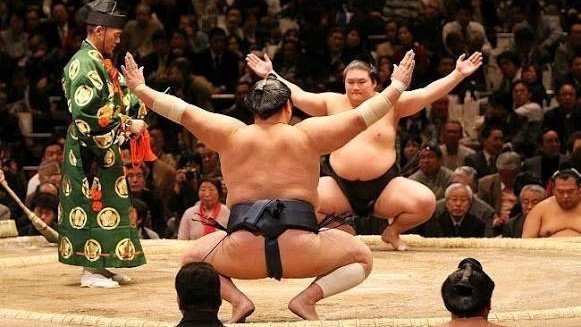
The wrestlers wear these things called mawashi during the entrance. They’re like loincloths but more elaborate. Some are really ornate. The entrance procession is called dohyo-iri. That’s what people specifically travel to Japan to see. Now it’s happening in Abu Dhabi.
Why Sumo Matters in Abu Dhabi
Abu Dhabi’s been bringing in more international events. Formula 1, golf, other stuff. Sumo’s different though. Most people have never actually seen professional sumo live. You’d have to go to Japan for that.
I’ve noticed that Abu Dhabi has been expanding beyond traditional sporting events over the past few years. That same push is also visible in how the city is investing in Abu Dhabi sustainable cities, making it a destination that combines modern development with international cultural experiences.
Mohamad Yehya runs Space42 Arena. He said that watching sumo in person is completely different from watching on TV. You get the power, the speed, the intensity. You can’t really experience that through a screen.
A Unique Cultural Experience Beyond the Competition
There’s also a cultural angle. Sumo’s been part of Japanese culture for over a thousand years. Bringing it to Abu Dhabi creates this moment where different cultures meet. People in the region get to experience something deeply rooted in Japanese tradition. It also fits with what Abu Dhabi’s trying to do. The city wants to be known for hosting diverse, world-class events. Sumo’s definitely unique. There’s not a lot of places doing this.
If you’re planning to make a day of it, this event fits perfectly alongside other weekend activities in the UAE. It’s one of those experiences that’s very different from the usual concerts, sporting fixtures, or shopping trips.
What Happens at the Event
When you go, you’re not just sitting down to watch wrestling. There’s a whole experience. The opening ceremonies set things up. You’ll see the wrestlers do their entrance. That’s the dohyo-iri. They walk around the ring in their ceremonial gear doing specific movements.
The Atmosphere Goes Beyond the Matches
Then the matches start. They’re fast. Some last just a few seconds. You might miss it if you’re not paying attention. But that speed and power is impressive. These aren’t light guys. Some weigh over 300 pounds and they move with surprising quickness.
The officials are called gyoji. They wear traditional clothing. Elaborate robes and stuff. The whole setup is designed to feel authentic. It’s not some modern sports production. It’s more like stepping into a tradition that’s been going on for a really long time.
If You’re Going
Get your tickets early. This is new to the region so it could sell out. You don’t need to be an expert on sumo to enjoy it but knowing some basics helps. Understanding the rules, knowing what the ceremonies mean, that kind of thing makes it more interesting.
Show up early. Don’t just come for the matches. The opening stuff is worth seeing. That’s where you get the cultural part. The matches are cool but the ceremonies are what make sumo special.
There might be other activities around the event. Sometimes these things have workshops or exhibitions. Worth checking out if they do. It gives you more context. If you’re visiting Abu Dhabi for the first time, it’s also worth planning a few extra stops while you’re there. There are plenty of free things to do in Abu Dhabi that can easily turn the trip into a full weekend without adding much to your budget.
The Sport Itself
Sumo’s old. Really old. Most sports change a lot over time. Sumo hasn’t. It’s kept its traditions pretty much intact. That’s partly because it’s connected to Shinto religion and Japanese culture in ways that are hard to separate.
The athletes are strong. Really strong. Some of the most powerful athletes you’ll see. But strength alone doesn’t win matches. Technique, balance, understanding leverage. Those things matter just as much.
Why Skill Matters More Than Size
The ranking system is called the banzuke. It changes every two months based on how wrestlers perform. Win more, you move up. Lose more, you move down. It’s straightforward but harsh. One bad tournament can drop you significantly.
There aren’t weight classes. A smaller wrestler can face someone who weighs way more. That’s just how it works. Makes for interesting matchups because you can’t predict everything based on size.
The Cultural Side
Sumo’s not just a sport in Japan. It’s part of the national identity. You see sumo references everywhere in Japanese culture. There are tournaments throughout the year. The big ones are huge events.
Top wrestlers become celebrities. They do commercials, appear on TV shows, get sponsorships. But they also have responsibilities. They’re expected to behave a certain way and represent the sport with dignity.
Why These Traditions Still Matter Today
The Shinto connection is real. A lot of the rituals come from Shinto practices. The salt throwing, the clapping, how the ring is built. All of it has spiritual meaning. That’s why sumo isn’t just entertainment. It’s a cultural and spiritual thing.
Bringing sumo to Abu Dhabi means people get to experience all of this. It’s not just watching two big guys push each other. It’s understanding a different approach to sport and tradition.
Training and Lifestyle
Sumo wrestlers live in training stables called heya. It’s not just about physical training. They learn the culture, the traditions, how to conduct themselves. Young wrestlers start at the bottom and work their way up through the ranks.
The training is intense. It’s year-round. Wrestlers do strength training, practice their techniques, learn from more experienced wrestlers. It’s a lifestyle more than just a job.
The hierarchy in the stables is strict. Younger wrestlers have responsibilities. They cook, clean, help the senior wrestlers. It’s all part of learning the traditions and culture of sumo.
Wrestlers also follow specific rules about their appearance and behavior outside the ring. Top wrestlers have to wear traditional clothing in public. They’re expected to represent the sport with dignity at all times.
Questions People Ask
When is the sumo event in Abu Dhabi?
September 26 at Space42 Arena.
Who’s the main wrestler?
Ichi from Japan. He won the Emperor’s Cup, the highest honor in professional sumo.
How many matches?
36 total bouts.
Will there be traditional ceremonies?
Yes. The dohyo-iri entrance ceremony is part of it. So are the pre-match rituals.
Is this the first time sumo’s been in the UAE?
Yes. First international professional sumo event in the United Arab Emirates.
Who’s organizing this?
USA Sumo is partnering with the organizers. They make sure everything meets international standards and keeps the cultural traditions intact.
What should I know before going?
Buy tickets early. Learn some basic rules. Get there early to see the ceremonies. Don’t expect it to be like modern sports.
Why is sumo so big in Japan?
It’s been around over a thousand years. Connected to Shinto religion and Japanese culture. One of Japan’s most respected sports.
Can you see professional sumo anywhere else?
Not really. Japan’s where it happens. This Abu Dhabi event is rare. Most people who want to see it have to go to Japan.
What makes sumo different from other wrestling?
The traditions and ceremonies are built into it. It’s not just about winning. It’s about respect, discipline, and honoring something that’s been done the same way for centuries.
How do wrestlers train?
They live in training stables and train year-round. It’s not just physical training. They learn the culture, traditions, and how to conduct themselves as professional athletes.
What’s the ranking system?
The banzuke. Changes every two months based on tournament results. Win more, move up. Lose more, move down.
Are there weight classes?
No. Wrestlers compete regardless of weight differences. A smaller wrestler can face someone much heavier.
Why is sumo connected to religion?
Sumo has deep roots in Shinto traditions. Many rituals like salt throwing and ring purification come from Shinto practices.
What do wrestlers wear?
During matches they wear a mawashi, which is a type of loincloth. During the entrance ceremony they wear elaborate ceremonial aprons.
How long do matches last?
Sometimes just a few seconds. It depends on the wrestlers and how the match plays out. Speed is part of what makes it intense.