Dubai Date Festival: Sheikh Hamdan Announces Dh1 Million for Farmers
Sheikh Hamdan's Dh1 million grant at the Dubai Date Festival 2026 strengthens support for UAE farmers, preserves Emirati heritage, and improves food security through community initiatives, rewarding agricultural excellence while helping thousands of families access fresh local dates.
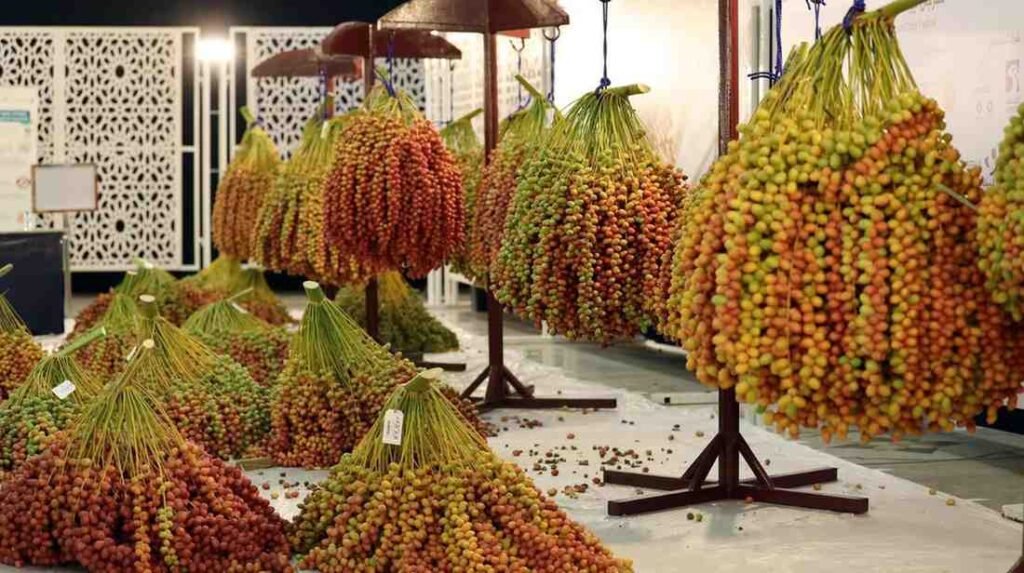
The Dubai Date Festival just wrapped up its third year at Qalaat Al Rimal. Sheikh Hamdan announced a Dh1 million grant for the farmers who participated. Fifteen different competitions took place, with some new categories added this time around. Beyond the festival itself, the Kharayef Al Rutab program is handing out fresh dates to families. Over 5,000 households are getting boxes of dates. A thousand volunteers are helping make that happen. It’s a big deal for the farming community and for families who get access to quality produce.
Who Participates in the Festival?
The event draws farmers from across the region. Some have been growing dates for decades. Others are newer to the business. Agricultural companies show up too. You’ll find families there on the weekends. Community groups participate in the volunteer efforts. It’s not just farmers competing. It’s a mix of people connected to agriculture in different ways. Some come to buy. Others come to sell. Many just want to be part of something that matters to the culture.
Understanding the Prize Money
A million dirhams gets divided among winners and participants. The competitions have different categories, so various types of farmers can win. Someone growing premium dates competes differently than someone focusing on volume. The money recognizes hard work. It also gives farmers cash to reinvest in their operations. Better equipment. Improved irrigation. Healthier soil. When you have prize money, you think about how to spend it wisely. That’s how competitions drive improvement across the industry.
Why Dates Matter in the UAE
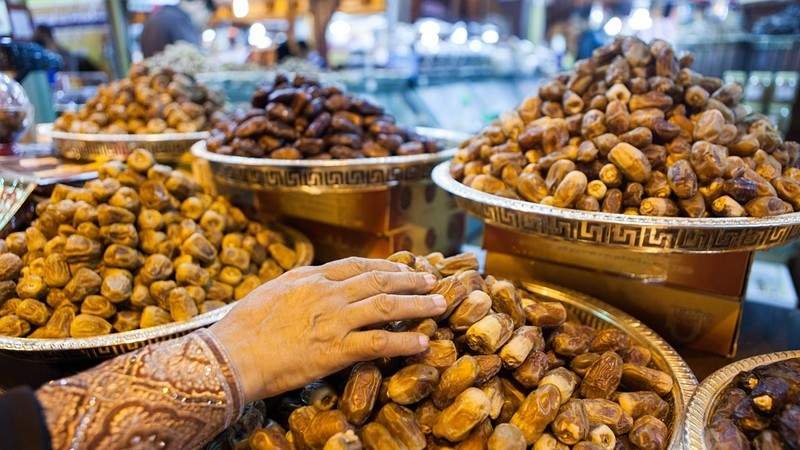
Dates aren’t just another crop. They’re part of the national identity. Families have traditions around dates going back generations. Serving dates to guests is a sign of hospitality. The fruit appears in celebrations and everyday life. Growing dates connects people to their heritage. For farmers, it’s not just business. It’s continuity. For the government, supporting date farming means preserving something valuable. That’s why Sheikh Hamdan’s involvement sends a message. It says this matters. It’s worth investing in.
The Kharayef Al Rutab Initiative
This program runs through Dubai’s Community Development Authority. The idea is simple enough. When dates are harvested, get them to families who can use them. Over 5,000 families receive boxes each season. The dates come from local farms. Volunteers handle the distribution. It’s organized but not complicated. Families know when to expect their boxes. Farms know they have a buyer. Volunteers get experience and a sense of contribution. Everyone wins something.
How Competitions Push Quality Up
When farmers know they’re competing, they pay attention to details. Soil quality matters more. Water management becomes critical. Pest control gets more careful. The timing of harvest gets planned precisely. You see farmers experimenting with new techniques. They talk to each other about what works. Someone tries a different fertilizer. Another person adjusts watering schedules. Competition creates this natural push toward excellence. The market responds. Customers notice better quality. Prices improve. The whole sector benefits.
What Happened This Year
The third edition introduced some changes. New competition categories opened things up. The venue at Qalaat Al Rimal worked well for the crowds. Volunteer numbers increased. More families got involved in the distribution side. The organizers clearly learned from previous years. They adjusted what wasn’t working. They expanded what was successful. That kind of evolution keeps the festival relevant. It shows the organizers are paying attention to feedback. Next year will probably bring more adjustments based on what happened this time.
The Bigger Economic Picture
These festivals aren’t just cultural events. They’re economic activities. Farmers earn money. Volunteers gain skills. Families save on production costs. Suppliers get business. Transportation companies move products. The ripple effects spread through the economy. When Sheikh Hamdan backs it with a million dirhams, he’s recognizing that value. He’s saying this matters beyond just heritage. It matters for jobs. It matters for food security. It matters for the local economy. That’s why government support shows up in the form of cash prizes and official recognition.
Looking at Similar Events
Other emirates run similar festivals. The Al Ain Rutab Festival does something comparable. There’s also the Abu Dhabi Date Palm Documentation Initiative which takes a different approach to supporting farmers. Each region has found ways to support agriculture and preserve heritage. The methods vary, but the goal is the same. Keep farming alive. Keep traditions going. Support the people who do the work.
Frequently Asked Questions
What’s the Dubai Date Festival actually about? Farmers bring their dates to compete. There are competitions in different categories. Winners get prizes. The event celebrates dates and the people who grow them. It’s part festival, part competition, part community event.
Who gave out the Dh1 million? Sheikh Hamdan bin Mohammed bin Rashid Al Maktoum, the Crown Prince of Dubai, directed the grant for participants.
Where was it held? Qalaat Al Rimal on the Dubai Al Ain Road hosted the event this year.
How many families got dates from the program? The Kharayef Al Rutab initiative distributed to more than 5,000 families. Around 1,000 people volunteered to help with the distribution.
Why does the government care about date farming? Dates are important to Emirati culture and identity. Supporting local farming also means better food security. It keeps traditions alive while supporting the economy.
What do winning farmers do with their prize money? They reinvest it. Better equipment. Improved facilities. Research into new growing methods. Some use it to expand their operations. The money goes back into making the farms better.
Is this something anyone can enter? The competitions are mainly for established farmers and agricultural operations. But families and community members can volunteer and participate in other ways.
What happens to all the dates? Some go to the Kharayef Al Rutab distribution. Families get boxes of fresh dates. Others enter the commercial market. Local suppliers and retailers buy them. Some farmers sell directly to customers.
How often does this happen? Once a year. The third edition just finished, so next year will bring the fourth edition.
What makes this different from regular farmer’s markets? The competition element changes things. There’s official recognition and prize money. The government involvement signals importance. The volunteer distribution program adds a community service component. It’s bigger and more organized than a typical market.
Are the dates organic? The festival doesn’t require organic certification, but many local farmers use sustainable practices. Some are certified organic. Others use conventional methods. It varies by farm.
Can tourists visit the festival? Yes. It’s open to the public. Visitors can see the competitions, learn about date farming, and purchase dates directly from farmers. It’s a good way to experience local agriculture.
What’s the connection between the festival and heritage preservation? Dates are part of Emirati heritage. Growing them using traditional knowledge keeps that alive. The festival brings people together around this shared heritage. It teaches younger generations about farming and culture. That’s how heritage stays alive.
Are there other date festivals in the UAE? Yes. Different emirates have their own events. Al Ain has its festival. Abu Dhabi has initiatives supporting date farming. Each region celebrates in its own way.
Sheraz is a business focused professional who closely follows market trends, emerging technologies, growth opportunities, and modern lifestyle trends. He writes about business, technology, travel, food, wellness, and everyday lifestyle topics, helping readers make informed decisions through practical insights. His expertise lies in helping businesses understand changing consumer behavior, digital transformation, AI adoption, branding, and scalable marketing strategies. He believes every business decision should be backed by data, market demand, and long term sustainability.