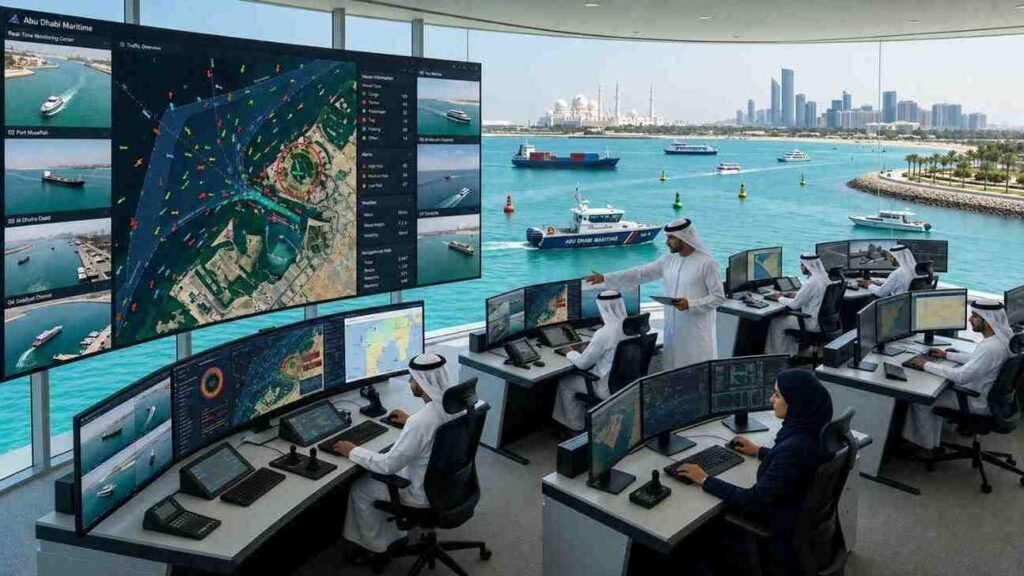
So Abu Dhabi put together a new monitoring setup for their waterways. The thing is massive in scope, covering 45,000 square kilometres. They’ve got the main operations running from Saadiyat Island and another facility over in Al Dhannah. It’s basically a command post that keeps tabs on everything happening on the water. Ships, ferries, emergency situations, all of it gets monitored from these two locations.
Who Actually Needs This
Different groups rely on this system for different reasons. Shipping companies get better info about what’s going on in the water. Ferry operators have access to real-time conditions. Port people use it for planning and managing operations. Emergency responders get a centralized spot to coordinate from. Basically anyone involved in maritime stuff benefits from having this kind of oversight.
Why Early Detection Matters
The main issue this solves is pretty straightforward. You’ve got tons of activity happening across a huge area of water. Without proper monitoring, you’re basically guessing. Something could go wrong and nobody would know until it’s too late. Having a system like this means you catch problems early.
How It Actually Works
They’ve set up a bunch of equipment to make this work. Sixteen radar stations spread around the area. Twenty-nine cameras just for maritime stuff. Four hundred more cameras at various port facilities. All of it feeds into one central AI system. The AI processes all this data constantly, looking for anything unusual.
The system keeps track of about 2,000 navigational aids. Buoys, beacons, warning signs, that sort of thing. All of them have sensors that send data back. So the AI isn’t just looking at video feeds. It’s getting information from multiple sources, which gives it a much clearer picture of what’s happening out there.
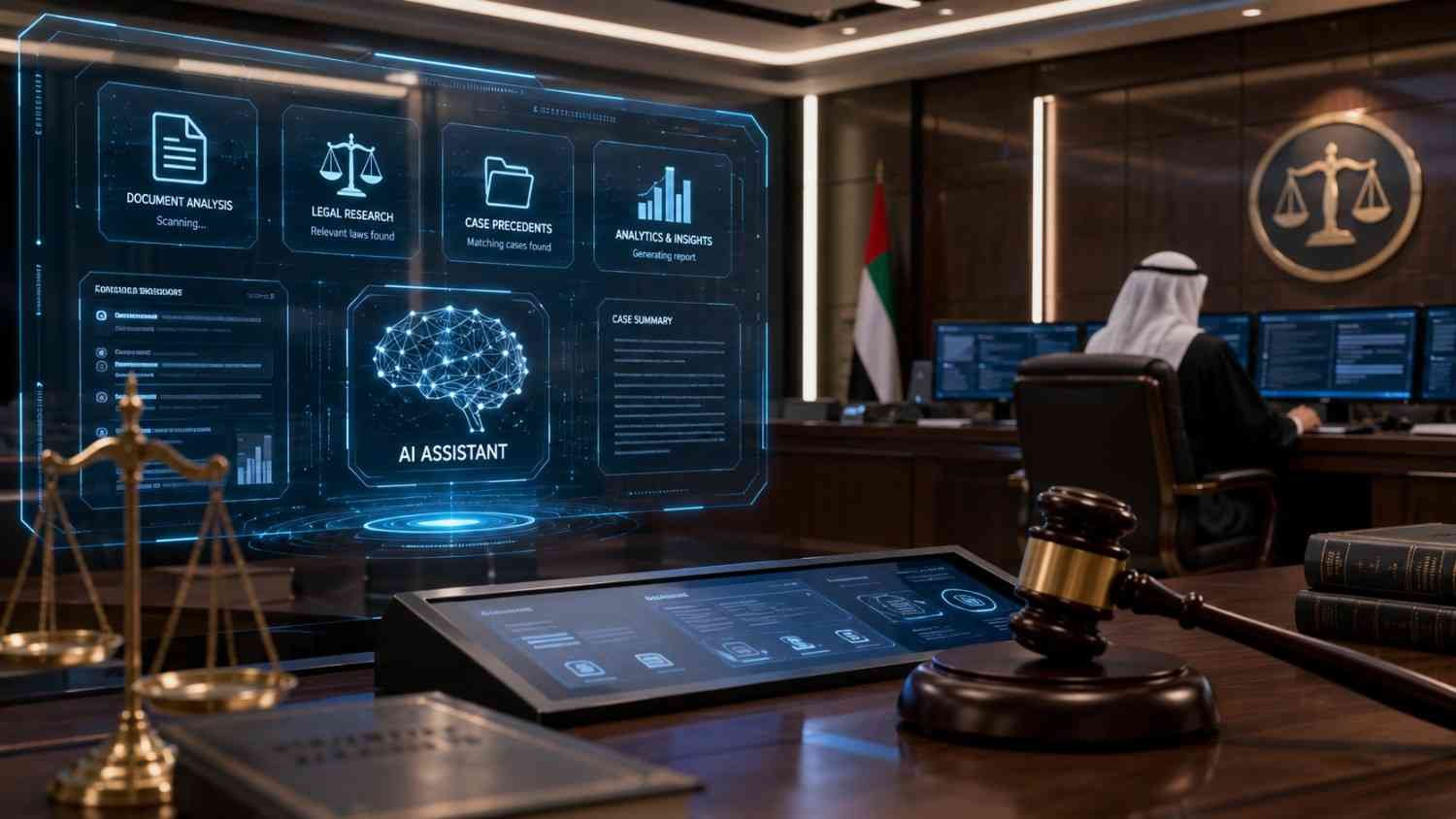
That’s something we’re seeing more often across the UAE. Instead of relying on a single AI model, organisations are combining data from multiple sources to make better decisions. It’s similar to what is happening through enterprise AI adoption in the UAE, where businesses are using integrated AI platforms to analyse information in real time instead of working with isolated systems.
How AI Detects Potential Maritime Risks
What the AI does is pretty interesting. It learns what normal maritime activity looks like. Then when something doesn’t fit that pattern, it flags it. A ship heading toward shallow water gets flagged. Weather turning dangerous gets flagged. The system learns over time what situations tend to become problems, so it can warn people before things actually go bad.
What Services Get Managed
The control centre handles more than 40 different maritime services. They track over 1,500 public berths. Monitor which ships are visiting. Keep tabs on how busy the marinas are. All that data gets stored and used for planning. When they need to figure out if they should expand something or add a new route, they’ve got actual usage numbers to work with.
It’s useful information. Used to take forever to gather this kind of data. Now it happens automatically. They can see when ferries are busiest, which routes get the most traffic, where things get congested. That’s valuable for deciding what to build next.
Emergency Response Works Better
This is where it gets practical. Instead of waiting for someone to call in and report a problem, the system spots issues as they’re developing. A vessel drifting into dangerous waters gets flagged. Weather deteriorating gets flagged. They’ve got four new patrol boats that can respond fast when the AI identifies something. Plus seventeen VHF radios so everyone can talk to each other, whether they’re on a boat or in the control centre.
Response times drop way down when you can predict problems instead of just reacting to them. That saves lives. Prevents accidents from happening in the first place, which is obviously better than dealing with the aftermath.
Why Abu Dhabi Is Investing in This
This centre isn’t just a standalone thing. It fits into what Abu Dhabi wants to do overall. They’re working on autonomous vehicles on roads. Upgrading traffic management. Bringing smart tech to everything. The waterway centre is part of that same push.
You can actually see the same pattern across different government projects now. When I looked into the UAE AI and Data Authority, it became clear that the country isn’t just adding AI to individual services. It’s also building the rules and governance needed so these systems can work together securely across different sectors.
Building a Smarter Maritime Future
Abu Dhabi wants to be known as a place that takes technology seriously. Wants to be a global maritime hub that operates safely and efficiently. Having infrastructure like this helps them get there. Shows they’re investing in stuff that actually works.
Frequently Asked Questions
What does this waterway monitoring centre actually do?
It watches 45,000 square kilometres of waterways using AI and cameras. Tracks ships, manages ferry services, helps coordinate emergency responses. Spots potential problems before they become actual incidents.
Where is it located?
Main centre is on Saadiyat Island. Secondary facility in Al Dhannah in the Al Dhafra region. Having two locations means the system keeps running even if something happens at one place.
How many buoys and beacons does it monitor?
Around 2,000 navigational aids total. That’s over 1,000 buoys, about 370 beacons, and various other markers. All of them have sensors that feed data back to the control centre.
How does AI help with maritime safety?
The AI looks at patterns in ship movements and weather conditions. Knows what normal looks like, so it can spot when something’s unusual. When it identifies something risky, it alerts operators so they can take action.
Who runs this operation?
Abu Dhabi Mobility operates it. Works with Abu Dhabi Maritime, which is part of AD Ports Group. National Guard provides support. It’s a collaborative effort between different government agencies.