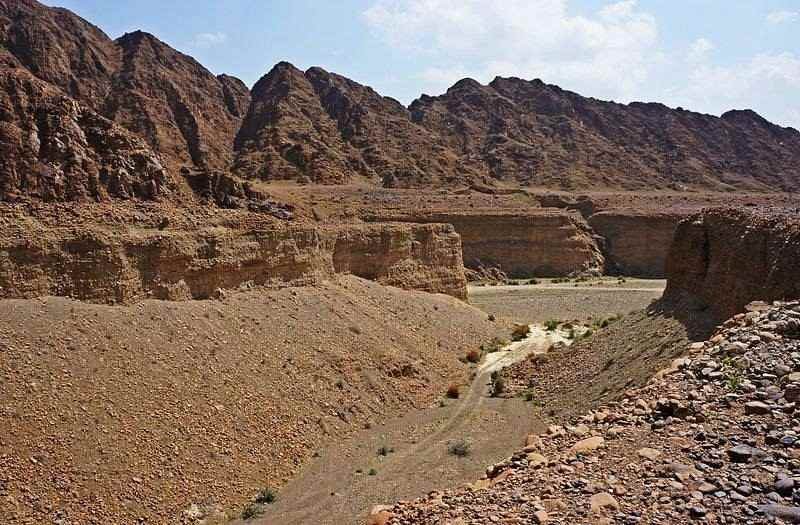
Fujairah just picked up the UAE’s third UNESCO World Heritage listing. The vote came today at the World Heritage Committee’s 48th session in Busan, South Korea. Wadi Wurayah National Park covers 225 square kilometres, and it’s the first UAE site picked for its nature rather than what people built there. Al Ain got its listing back in 2011, and Sharjah’s Faya Palaeolandscape followed in 2025.
Two things explain why. What’s actually in the ground. And years of protection work most people never heard about until now.
What is Wadi Wurayah National Park?
Water, mainly. Most of the UAE doesn’t get that year round. This park does.
Over 300 springs and 60 streams run through it. They keep going even at the height of summer, because groundwater pushes up through the rock instead of drying out. That’s probably the whole reason this valley got picked over dozens of wadis that look just like it across the Hajar Mountains.
Then there’s what sits underneath the water. The park sits on ophiolite. That’s old ocean floor, about 90 million years old, that somehow ended up on dry land instead of staying buried under the sea. Geologists say these formations are some of the best-preserved of their kind anywhere.
Why did UNESCO add Wadi Wurayah now?
Nothing about today’s vote happened fast. Back in 2006, a biodiversity survey counted 860 species in the wadi. That number is what pushed the UAE to name it the country’s first mountain protected area, in 2009. By 2013, though, the government had shut the whole thing down to visitors.
Asilah Abdullah Al Mualla, who runs the Fujairah Environment Authority, said closing the park gave the habitat time to recover. Later research proved her right. It took more than ten years before the public could get back in. That finally happened in January 2026. Even then, there was a catch: controlled group tours only, no open access.
What lives in Wadi Wurayah?
The species count sits at 1,099 now. That’s up from 860 in the 2006 survey. One of them is the Arabian tahr, a wild goat that only exists in three places on the planet. Last year, a survey team found an Arabian caracal in the park. Nobody had confirmed one there in years. Blanford’s fox is in there too, along with a dragonfly species researchers had assumed was gone for good.
That climb from 860 to 1,099 species is basically the case UNESCO’s committee reviewed.
Who should plan a visit to Wadi Wurayah?
Hikers, birdwatchers, and photographers who are tired of the same skyline shot will like it here. So will families who want an organised outdoor day instead of a free-for-all. Solo hikers hoping to wander off-trail won’t get much out of this one though, since every visit goes out as a small guided group by design.
That rule exists for a reason. The habitat needed a decade to bounce back once already. Nobody running the park wants to find out what happens the second time.
Doing more than one east coast stop? Our guide to things to do in Khorfakkan covers the nearest town, which works well as a base.
How do you actually visit Wadi Wurayah National Park?
Fujairah Holidays runs the bookings as the park’s official partner. There’s no gate you can just walk up to and pay at. Groups stay small on purpose, so visitor numbers don’t creep back up to where they were before the 2013 closure.
Most UAE attractions run the opposite way: buy a ticket, walk in. Here the booking step is the access point itself, so it has to happen before the drive out to Fujairah, not after you arrive and hope for the best. Prices and open dates shift, so confirm directly with Fujairah Holidays instead of trusting anything written here to still hold by the time you go.
Adding a second wildlife stop to the trip? Our Sharjah Safari Park guide has ticketing and timing for that.
What happens to the park now that it’s UNESCO listed?
Al Mualla put it plainly: the ongoing work is reporting and research, the kind that actually keeps a site on the World Heritage List rather than just getting it there once. UNESCO reviews sites after inscription and can remove them in rare cases if protections slip, so whatever monitoring has run since 2006 probably isn’t stopping now.
The UAE’s Minister of Culture is Sheikh Salem bin Khalid Al Qassimi. He posted about the listing and called it a step forward for how the country protects its natural heritage.
Wadi Wurayah joins Al Ain and Faya on the UAE’s UNESCO list. It’s the only one of the three picked for what’s alive there instead of what people built.
Doing a bigger loop around Sharjah? Our Sharjah guide has more stops worth adding.
Frequently asked questions about Wadi Wurayah
Where is Wadi Wurayah National Park located?
It’s in Fujairah’s stretch of the Hajar Mountains, on the UAE’s east coast. Figure on about a two-hour drive from Dubai.
Is Wadi Wurayah the UAE’s first UNESCO World Heritage Site?
No, it’s the third. Al Ain was listed in 2011, Faya Palaeolandscape in Sharjah in 2025. It’s the first UAE site listed for natural rather than cultural value.
Can I visit Wadi Wurayah as a tourist?
Only through a booked group tour. Fujairah Holidays handles the bookings. There’s no walk-in option.
Why was Wadi Wurayah closed for over a decade?
It closed in 2013 so the ecosystem could recover. Surveys had shown it needed that time. Controlled group visits resumed in January 2026.
What makes Wadi Wurayah scientifically important?
Two things stand out. There’s a permanent freshwater system, fed by more than 300 springs and 60 streams. And there’s the rock: ophiolite formations around 90 million years old, ranked among the best-preserved examples in the world.
What animals can you see in Wadi Wurayah?
Researchers have recorded 1,099 species in the park. That list includes the endangered Arabian tahr, the recently rediscovered Arabian caracal, Blanford’s fox, and a dragonfly species once thought extinct.