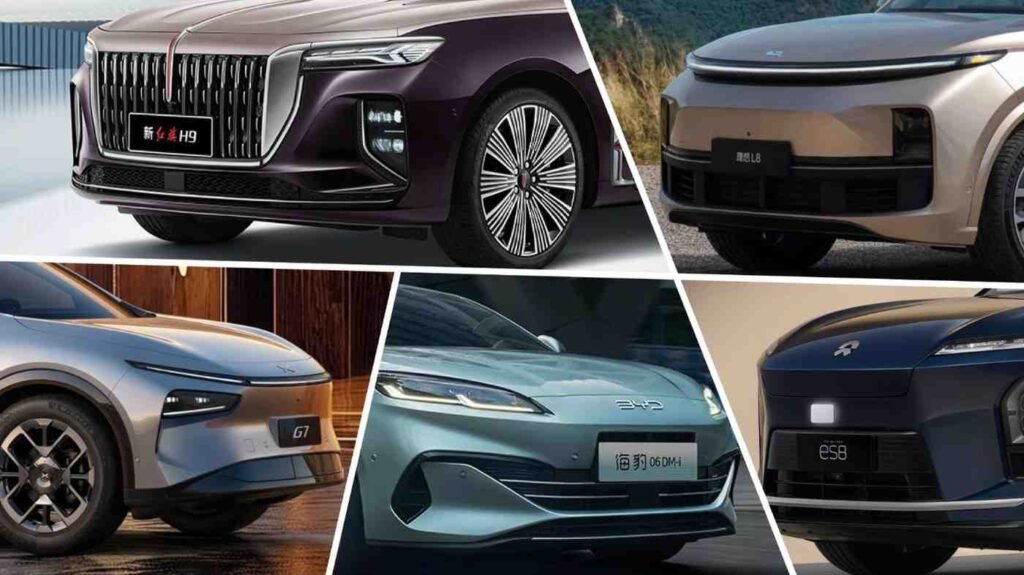
Chinese car brands are taking over UAE roads because they cost less than Japanese and European rivals while offering features that used to cost extra. MG, BYD, Geely, Chery, Jetour, Changan, and Haval used to be the budget pick. Now they’re parked next to Toyotas and Nissans at almost every dealership on Sheikh Zayed Road, and buyers are cross-shopping them seriously.
Here’s why that happened, and what matters if you’re shopping for one now.
What’s Driving the Shift
Price is the starting point. A Chinese SUV often costs 20 to 30 percent less than a comparable Japanese or European model. That alone pulls a lot of buyers in the door.
Lower Prices and More Features
The features gap is what keeps them there. Blind-spot monitoring. 360-degree cameras. Adaptive cruise control. Panoramic sunroofs. These used to sit in the options list. Choosing them added thousands to the final price. On many mid-range Chinese models, they’re just included.
Warranty length helps too. Several brands now cover cars for six to seven years, longer than most established competitors offer in this market. That changes the math for a buyer who’s nervous about picking a newer name. A longer warranty is the manufacturer putting money behind its own reliability claim.
Who Should Consider a Chinese Car Brand
Families shopping on a budget benefit the most. Bigger screens, extra safety tech, and more cabin space now show up on models priced well under the luxury bracket, right in the range covered in our look at affordable cars in the UAE market.
First-time buyers do well here too, mainly because they haven’t already built loyalty to a brand through years of ownership. Starting fresh means starting without bias.
Best Buyers for Chinese Cars in the UAE
Fleet operators and rental companies have their own reasons. Cost per vehicle and warranty terms matter more to them than resale sentiment, and that’s exactly where Chinese brands compete hardest.
If your current European or Japanese car works fine for you, none of this changes that. This is really about what makes sense for someone buying new or replacing an older car on a set budget.
How Chinese Brands Handle UAE Conditions
UAE roads are hard on cars. Heat past 45°C in summer and nonstop air conditioning use both strain cooling systems and electronics faster than milder climates do.
Built for High Temperatures and Long Drives
Chinese manufacturers came into these markets later than most legacy brands. That timing mattered. Instead of stretching an older global platform across every region, several newer models were engineered with local conditions in mind from the start. Cooling systems built for sustained heat. Electronics tested for long idle periods in traffic. Suspension tuning for desert and highway driving factors in too, even though it’s harder to put on a spec sheet than a warranty number. It’s a quiet reason the old budget label stopped fitting brands like Geely and Chery.
What to Check Before You Buy
The lower price doesn’t erase every cost down the line.
Resale value is the biggest one. Japanese and European brands still hold their value better in the UAE’s used car market, mostly because they’ve had decades to build that reputation. A Chinese model might cost less new and still lose more by the time you sell it. Ask for real resale numbers on the specific model, not a general line about brand reputation.
Parts, Service, and Insurance Costs
Parts and service coverage varies by brand too. MG and Geely have been here longer and built out wider networks. Newer entrants sometimes mean fewer service centers and longer waits for parts, especially outside Dubai and Abu Dhabi.
Insurance can run higher on newer models simply because insurers don’t have much claims history to price against yet. Get an actual quote before assuming the lower sticker price carries through to your premium.
How to Buy and Register a Chinese Car in the UAE
The process itself doesn’t change based on brand. A few steps just catch first-time buyers off guard.
Financing works the same as it does for any car purchase. If you’re deciding between a loan and paying cash, this breakdown of retail loans in the UAE covers how car financing stacks up against other borrowing options.
Once you’ve picked a model, reserve your vehicle plate number before the car arrives. Otherwise someone else could grab the plate you wanted.
Registration and testing go through your emirate’s vehicle testing center. In Sharjah, Tasjeel Sharjah Auto Village lists current timings and the documents you’ll need, so you’re not stuck in line with the wrong paperwork.
FAQs
Are Chinese car brands reliable in the UAE?
It depends on the brand and model, same as with any manufacturer. MG and Geely have been here long enough to have real data on how their cars hold up in local heat and traffic. Newer entrants don’t have that history yet.
Which Chinese car brands are most popular in the UAE?
MG, BYD, Geely, Chery, Jetour, Changan, and Haval show up most often in showrooms and on the road. Jetour built its early following mostly through SUV models like the T2.
Are Chinese cars cheaper to maintain than Japanese or European cars?
Usually, yes, at least upfront. Parts and labor tend to cost less on Chinese models. Service network size still affects how long repairs take, and newer brands may have fewer authorized centers per emirate.
Do Chinese cars hold their value in the UAE?
Less than Japanese and European brands with a longer track record here. Resale depends a lot on the specific model and how many are already for sale used, so check current listings instead of assuming a fixed number.
Is it worth buying a Chinese car brand instead of Toyota or Nissan?
Depends what you’re optimizing for. If a lower upfront cost and a fuller features list matter more than resale value and brand history, a Chinese brand is worth serious consideration.