Anyone who watches energy markets closely knows the pattern. When the fundamentals line up, big money moves quickly and quietly. The Private Department of Sheikh Mohammed bin Khalid Al Nahyan has just put more than $1 billion into MidOcean Energy, the LNG arm of US-based investor EIG. That’s not a routine allocation. It’s a calculated wager on the direction of global energy demand, and it cracks open a door that had mostly stayed shut for regional investors.
Below, I’ll walk through what the deal actually involves, who benefits, and what it says about the LNG market from where the Middle East is sitting right now.
What Is MidOcean Energy and Why Is Abu Dhabi Backing It?
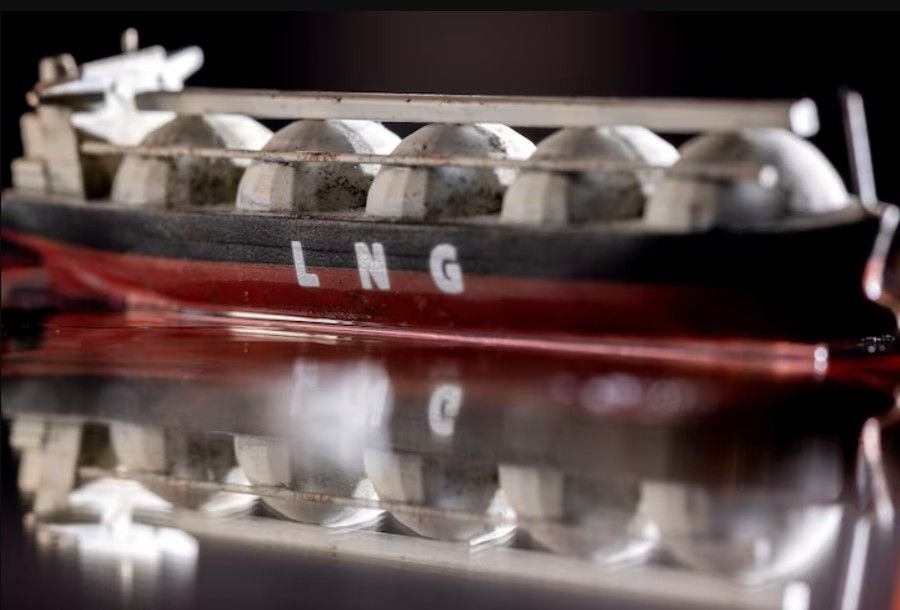
MidOcean Energy is EIG’s dedicated LNG platform. It holds interests across Canada, Australia, and Latin America, and it’s been building out a global footprint over the last few years without making a ton of noise. This isn’t a flashy startup. It’s a serious infrastructure business backed by patient money.
For the Private Department, the deal is their first real step into global LNG. Their portfolio through affiliate KSH Investments has mostly covered real estate, hospitality, infrastructure, and financial services up to this point. Bringing MidOcean into the mix tells you they’re widening their energy exposure well beyond the region.
And the partnership isn’t just a check being written. Both sides agreed to jointly develop energy and infrastructure investment opportunities across the UAE and other chosen markets. So it’s a working relationship, not a passive shareholding.
What Problem Does This Deal Solve for Regional Investors?
Here’s the honest issue most regional investors run into. Getting meaningful access to global LNG infrastructure is hard. These are capital-heavy assets that need deep technical know-how and a long time horizon. Plenty of Gulf institutions have the appetite. They don’t always have a direct route to co-invest with the top global operators.
That’s what this deal changes. Matar Hamdan Al Ameri, executive managing director of the Private Department, said it plainly. The investment is built to give regional investors a way to participate alongside leading institutional partners. Put another way, they’ve opened a door so others can come in through this structure instead of trying to build their own from the ground up.
That’s a real shift. It takes away the friction that usually keeps regional capital sitting on the bench during international energy deals.
How Does Saudi Aramco Fit Into This Picture?
Aramco is already deep inside MidOcean. Back in September 2024, they lifted their stake to 49 percent after agreeing to fund MidOcean’s Peru acquisition. That move by itself told the market there was serious institutional conviction behind the platform.
Now add Abu Dhabi’s ruling family with more than $1 billion on top of that, and MidOcean’s shareholder register is starting to read like a roll call of Middle Eastern energy capital. Two of the region’s heaviest hitters are lined up behind the same LNG business. That doesn’t happen by accident. It tells you they share a view: LNG infrastructure is going to be a durable, valuable asset class for the next decade at least.
What Does This Mean for the Global LNG Supply Chain?
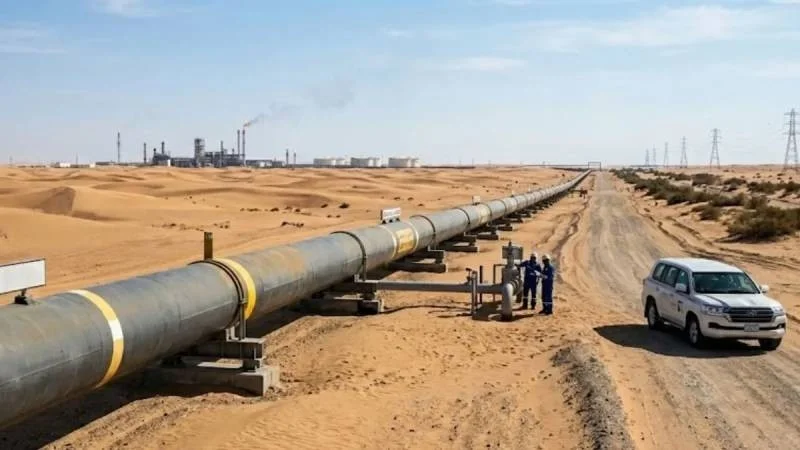
More money going into MidOcean means the project pipeline moves faster. Canada, Australia, and Latin America aren’t arbitrary choices either. They’ve got proven reserves, they’ve got export infrastructure already built or being built, and they’re selling into Asian and European buyers who are actively trying to diversify where their gas comes from.
Then there’s the UAE side of the EIG partnership. By working on new opportunities inside the UAE, the deal sets up a two-way flow. Regional capital heads out to global assets. International expertise comes back into regional projects. Reciprocal structures like that tend to produce better outcomes for both parties over time.
Zoom out and the picture is straightforward. When institutional money shows up at this scale, more projects get funded, timelines tighten, and supply security improves for importers. The knock-on effects go well past the two names on the agreement.
Who Should Be Paying Attention to This Deal?
Three groups.
First, institutional investors and family offices across the Gulf who’ve been looking for a credible way into global infrastructure without spinning up their own platform. Deals like this one prove co-investment structures can work at real scale.
Second, energy professionals and project developers in the UAE and the wider region. Because EIG and the Private Department have a joint development mandate, new projects will get evaluated and funded. That means actual commercial work downstream.
Third, anyone tracking where LNG demand is heading long-term. Two major Middle Eastern entities are deepening their LNG exposure right now instead of stepping back from hydrocarbons. That says something about how they read the next 20 to 30 years of global energy consumption.
FAQs
Why did Abu Dhabi’s ruling family invest in MidOcean Energy?
The Private Department wanted long-term exposure to global energy infrastructure. LNG fits that goal because it’s essential to worldwide energy supply and produces stable, long-duration returns. It’s also their first direct step into the international LNG sector.
What will the EIG and Abu Dhabi partnership actually do in the UAE?
Beyond the MidOcean stake, both sides will actively develop energy and infrastructure investment opportunities inside the UAE and in selected regional markets. It’s a working partnership, not just a financial arrangement.
How can regional investors benefit from this deal?
The structure is set up so regional investors can participate alongside institutional partners rather than going it alone. That lowers the capital and expertise barrier for anyone who wants exposure to global LNG assets.
Where does MidOcean Energy currently operate?
MidOcean holds LNG interests in Canada, Australia, and Latin America. Those markets were picked for their strong reserve base and growing export demand from buyers in Asia and Europe.
What role does Saudi Aramco play in MidOcean Energy
Aramco holds a 49 percent stake after raising its position in September 2024. Combined with the new Abu Dhabi investment, MidOcean now has two of the Middle East’s most powerful energy investors as major shareholders.
Is this a sign that the Middle East is doubling down on LNG long-term?
The evidence points that way. Both Aramco and Abu Dhabi’s ruling family are putting serious capital into LNG infrastructure at a time when some Western investors are pulling back. That gap tells you they’ve got a different read on where energy demand is going over the next few decades.