Abu Dhabi Just Dropped $2.25 Billion on American Gas Pipelines. What's Really Going On?
Abu Dhabi's $2.25 billion investment in US natural gas pipelines signals more than a major acquisition. It reflects a long term strategy to secure stable infrastructure income, diversify beyond oil, and strengthen its position in global energy markets while betting that natural gas will remain essential for decades.
Look, when I first saw this news pop up, my initial reaction was basically “okay, another big money deal.” But then I started digging into it, and something clicked. This isn’t just some random corporate acquisition. It’s actually a pretty telling move about where the world’s serious money is heading right now.
So here’s what went down. A company called ePointZero, which is basically Abu Dhabi’s investment vehicle for energy stuff, just bought a stake in two American natural gas pipelines. They paid $2.25 billion. In cash. Not borrowed money, not some complicated financing deal. Actual cash.
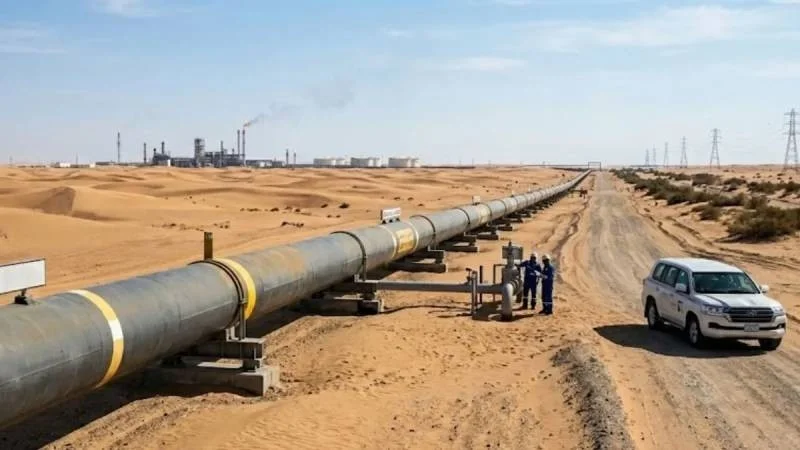
The pipelines they bought into are the Rover Pipeline and the Ohio River System. Both are in the Appalachian region. ePointZero grabbed 35% of Rover and 25% of Ohio River. But here’s the thing that actually matters: they’re not going to run these pipelines themselves. Energy Transfer, which is basically the biggest name in pipeline operations in America, stays in charge. ePointZero just owns a piece and collects the money that flows in.
Why Anyone Should Care About This
Most people don’t think about pipelines. I get it. They’re boring. They’re not trendy. You don’t see them on the news unless something goes wrong. But that’s actually exactly why this matters.
These pipelines move natural gas from Pennsylvania, West Virginia, and Ohio to everywhere else. The Appalachian region produces a massive amount of natural gas. Like, we’re talking about roughly a third of all the natural gas produced in the entire United States. But the people living in those states don’t use all of it. The demand is elsewhere. Georgia’s power plants need it. Indiana’s factories need it. The terminals on the coast that ship it overseas need it.
So you’ve got this huge supply in one place and huge demand in other places. The pipelines are what connect those dots. They’re the middleman. And here’s the beautiful part for investors: the middleman always gets paid.
How This Actually Works
I spent some time trying to understand the economics of this, and honestly, once you get it, it makes a lot of sense why Abu Dhabi would be interested.
Pipeline companies charge companies to move their gas through the pipes. Simple enough. But here’s where it gets good. They don’t charge based on what the market price of gas is. They charge a flat fee. That fee is locked in, usually for years. So whether natural gas is expensive or cheap, the pipeline company gets paid the same amount.
This is called a “take-or-pay” contract. Basically, if you want access to the pipeline, you commit to paying for a certain amount of capacity. You might not use all of it every single day, but you’re paying for it anyway. It’s like having a reserved spot on a train. You pay whether you ride it or not.
For someone like ePointZero, this is pretty attractive. You own a piece of something that generates money consistently. No wild swings. No surprises. Just steady cash flow year after year.
Why Abu Dhabi Is Suddenly Interested in American Pipelines
This is where I started connecting the dots.
Abu Dhabi has oil. They have a lot of it. They don’t need to find more oil or invest in oil production. What they need is income. Reliable, predictable income that doesn’t depend on oil prices going up or down.
2PointZero, the parent company, manages around AED 43 billion in assets. That’s a massive amount of money. You can’t just throw it at risky stuff. You need places where the money will actually generate returns without too much drama.
American pipeline infrastructure is attractive for a few reasons. It’s regulated, which means returns are somewhat predictable. It’s essential, which means demand doesn’t just disappear. And it’s established, which means these aren’t experimental ventures.
For Abu Dhabi specifically, there’s another angle. They’re diversifying. They’re not just betting on oil prices. They’re building income streams from infrastructure around the world. It’s a smart move if you’re thinking long-term.
The Real Story Here
Okay, so here’s what I think is actually happening.
Abu Dhabi is betting that natural gas is going to matter for a long time. Solar and wind are growing, sure. But they’re not replacing natural gas overnight. Power grids still need reliable energy that you can turn on and off when you need it. Natural gas does that. Coal is getting phased out. Nuclear is complicated. Natural gas is the bridge fuel that keeps the lights on while we transition to renewables.
So when Abu Dhabi invests $2.25 billion in American pipeline infrastructure, they’re essentially saying, “We think this is going to be valuable for decades.” They’re betting that the energy transition takes longer than people think. They’re betting that natural gas remains important.
There’s also a geopolitical thing happening here. Energy security is becoming a bigger deal. Countries are thinking more carefully about where their energy comes from. By owning stakes in American pipeline infrastructure, Abu Dhabi is building relationships in a critical market. It’s not just about the money. It’s about positioning.
What This Tells Us About Where Money Is Going
If you’ve been paying attention to where big investors are putting their money, this fits a pattern. Sovereign wealth funds and big investment vehicles are buying infrastructure. Not stocks. Not bonds. Infrastructure.
The reason is pretty straightforward. Stock markets are volatile. Real estate is unpredictable. But infrastructure? It’s boring. Boring is exactly what you want when you’re managing billions of dollars.
The Appalachian Basin is particularly attractive because the economics actually work. Natural gas production there is cheap. That means even when prices drop globally, producers keep pumping. The pipelines stay busy. The money keeps flowing.
For ePointZero, this is probably just the beginning. They’ve mentioned wanting to build a bigger presence in North American energy infrastructure. If this investment works out, expect to see more deals like this.
The Details
Item
Info
Buyer
ePointZero (owned by 2PointZero Group)
Seller
Traverse Midstream Partners
Price
$2.25 Billion cash
Stakes
35% Rover Pipeline, 25% Ohio River System
Location
Appalachian Basin, Eastern US
Operator
Energy Transfer
Date
July 2026
What People Actually Want to Know
What is ePointZero?
It’s an investment company focused on energy infrastructure. They’re owned by 2PointZero Group, which is Abu Dhabi’s energy investment arm. They invest globally in energy assets.
Why would Abu Dhabi want American pipelines?
Because they generate steady income. Abu Dhabi has oil wealth, but they want diversified income from infrastructure around the world. American pipelines fit that perfectly.
What’s midstream energy?
Energy has three parts. Upstream is drilling. Downstream is refining and selling. Midstream is transportation and storage. Pipelines are midstream.
How do pipelines make money?
Companies pay to move gas through them. The fee is locked in, so pipeline owners get paid the same amount whether gas is expensive or cheap.
Why is Appalachia important?
It produces about a third of all US natural gas. The gas is cheap to extract. That means production stays high even when prices drop.
What’s a take-or-pay contract?
It’s a contract where customers pay for pipeline capacity whether they use it or not. It guarantees revenue for pipeline operators.
Will this change energy markets?
Not immediately. But it shows that serious investors see long-term value in American pipeline infrastructure.
Will Abu Dhabi buy more pipelines?
Probably. This is their first major American midstream deal, and they’ve said they want to build a bigger presence.
What does this mean for energy prices?
Pipelines don’t set prices, but they do affect supply. They move gas from cheap production areas to where it’s needed.
Why should I care?
Because it shows where smart money is going. When Abu Dhabi spends $2.25 billion on American pipelines, it tells you something about where they see value and stability.
Sheraz is a business focused professional who closely follows market trends, emerging technologies, growth opportunities, and modern lifestyle trends. He writes about business, technology, travel, food, wellness, and everyday lifestyle topics, helping readers make informed decisions through practical insights. His expertise lies in helping businesses understand changing consumer behavior, digital transformation, AI adoption, branding, and scalable marketing strategies. He believes every business decision should be backed by data, market demand, and long term sustainability.