What is Driving Dubai's GDP Growth in 2026 and What Does It Mean for You?
Dubai's economy grew 2.4% to AED232 billion in Q1 2026 despite regional conflict, led by 8% construction growth and resilient trade. While tourism faces mounting pressure and broader UAE forecasts remain weak, Dubai's diversified economy continues to outperform, though uncertainty over geopolitics could reshape the outlook.
2.4%. That’s Dubai’s Q1 growth. In the middle of a war.
I stared at that number for a good minute when it landed in my inbox this week. AED232 billion of economic output, trade up, construction booming at 8%, real estate still climbing. And all of it clocked while missiles were flying between the US and Iran, tourists were canceling GCC bookings by the billions, and Fitch was busy sharpening its pencil to slash UAE growth forecasts by nearly 5% for the full year. Something doesn’t add up here. Or maybe it does, and that’s the more interesting story.
Look, I’ve covered this region long enough to know when officials are papering over cracks and when they’re genuinely surprised themselves. Reading Helal Almarri talking about “deep-rooted resilien…” okay, I won’t finish that quote because you’ve heard it a thousand times before. But Hadi Badri’s line about “swift, prudent action” over recent months? That one’s worth pulling apart. Because if it’s true, somebody in Dubai saw February 28 coming and started moving pieces around the board before the rest of us noticed.
In this post I want to break down what’s actually driving these Q1 numbers, why Fitch and the Dubai statistics office are telling such wildly different stories about the same economy, and whether the interim peace deal that Trump then torpedoed changes any of the math. Buckle up.
Which Sectors Are Actually Powering Dubai’s Economy in 2026?
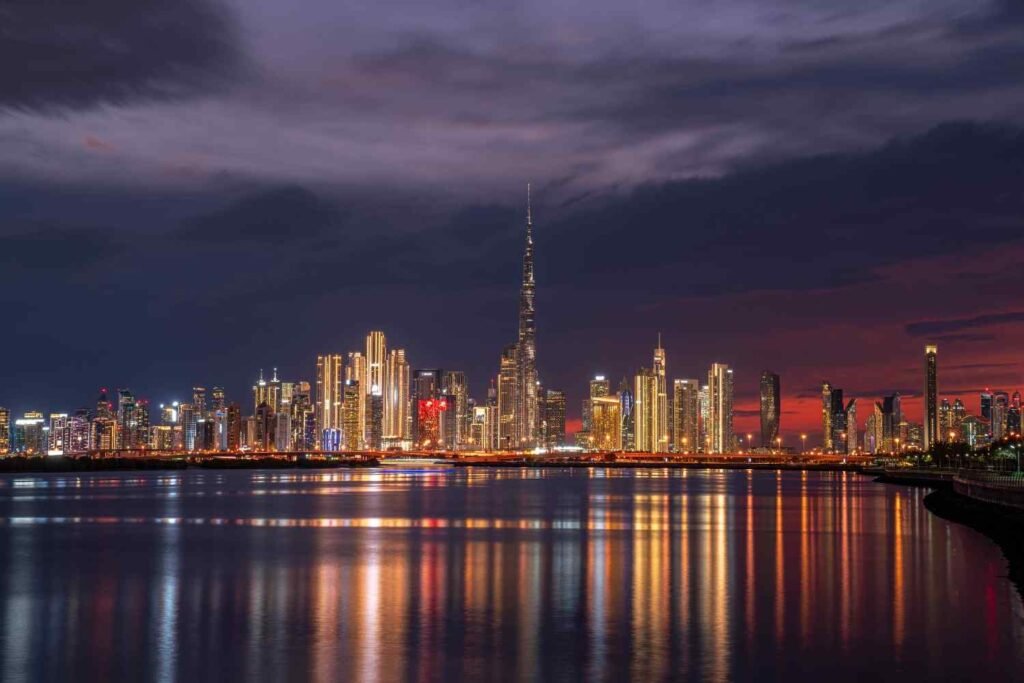
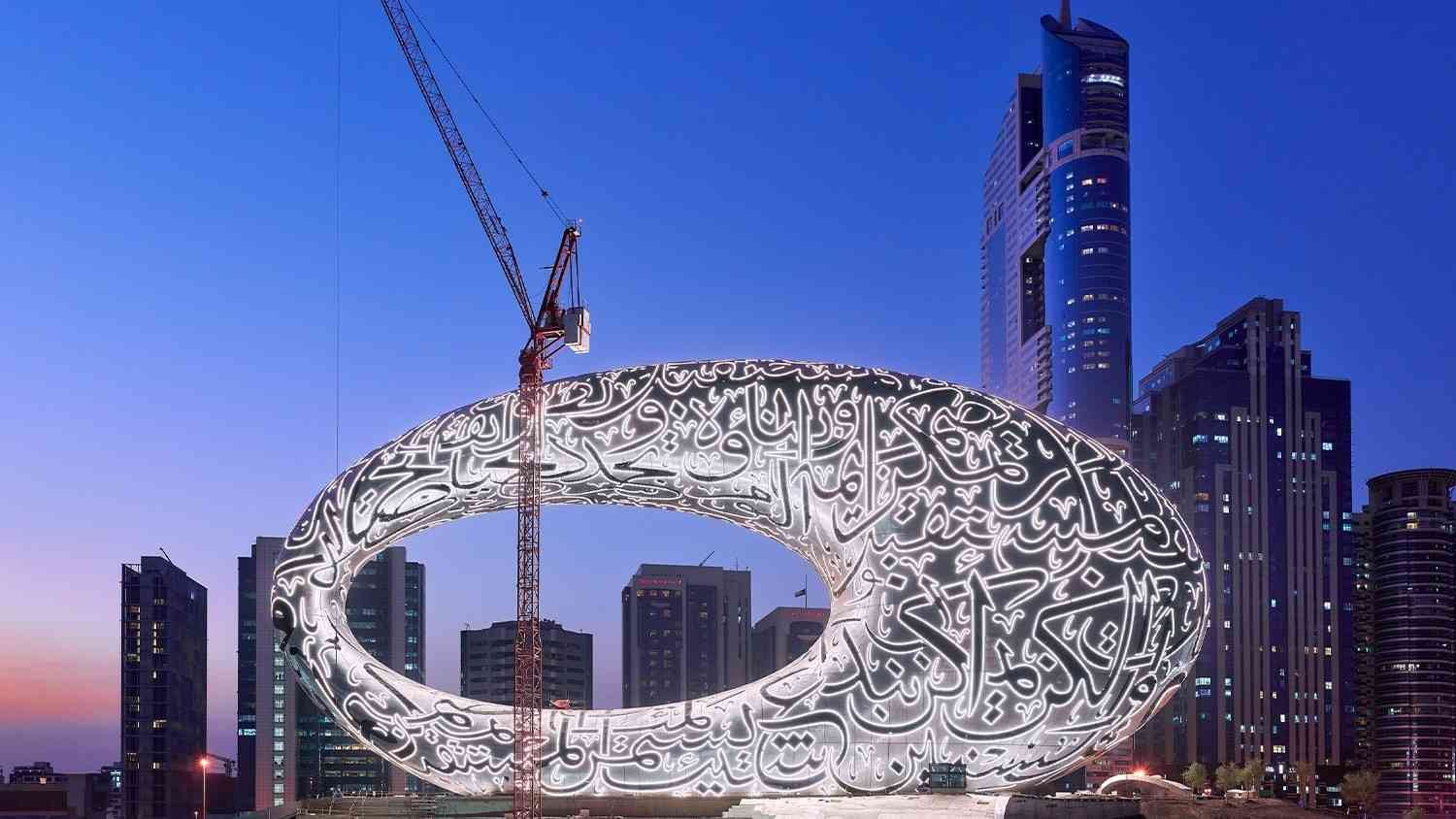
Cranes. That’s what you notice first if you’ve been driving around Dubai this year. Construction posted 8% growth in Q1, the strongest of any sector, and you can see it everywhere from Business Bay to the outer edges of Dubai South. When a war kicks off between the US and Iran on February 28 and your construction sector still expands 8% in the same quarter, something interesting is happening. Either the pipeline of projects was too deep to slow down, or developers simply decided the risk wasn’t worth pausing over.
Trade is still the workhorse, though. It’s 22% of Dubai’s GDP and grew 2.6% to hit AED51 billion, which matters because trade is exactly the sector everyone assumed would get clobbered when Fitch slapped a -4.8% projection on the UAE for 2026. Real estate ticked up 3%, not spectacular but heading the right way. Put it together and you get AED232 billion ($63 billion) of Q1 output, up 2.4% year on year. Not a boom. But nowhere near the collapse the forecasters were pricing in.
Sector
Q1 2026 Growth (YoY)
Key Detail
Overall GDP
+2.4%
AED232 billion ($63 billion)
Wholesale and Retail Trade
+2.6%
22% of GDP, AED51 billion
Real Estate
+3.0%
Steady demand, positive direction
Construction
+8.0%
Strongest sectoral growth this quarter
Here’s the thing worth chewing on. Tourism across the GCC took a $13-32 billion hit, and Dubai isn’t immune to that. But the sectors doing the heavy lifting this quarter, construction, trade, real estate, aren’t the ones that empty out when tourists cancel. That’s probably not luck. That’s a diversified economy doing what a diversified economy is supposed to do when things get messy.
How is the US-Iran Conflict Affecting Dubai’s Economic Performance?
Look, the Q1 numbers tell one story. Dubai’s economy grew 2.4% to AED232 billion. Trade held up. Construction jumped 8%. Real estate ticked along at 3%. On paper, it’s fine.
But Q1 doesn’t capture what happened next. The US-Iran conflict kicked off on February 28, meaning Dubai got exactly one month of shooting inside a three-month reporting window. Fitch has already slashed its 2026 forecast for the UAE to -4.8% real GDP, with non-oil GDP down 3.2%. That’s not a wobble. That’s a recession, and it’s coming for the numbers that haven’t been printed yet.
Honestly, the tourism damage is where it gets ugly. The Gulf Statistical Centre pegs regional tourism losses somewhere between $13 billion and $32 billion. Dubai lives and dies by visitors, and nobody’s booking a beach holiday in DXB when missiles are flying across the Strait. Officials keep talking about “swift, prudent action” and “deep-rooted strength across key sectors,” which is what officials always say. The thing is, no amount of strategic planning fixes a hotel with 40% occupancy.
Then came the interim peace deal. Markets exhaled. Airlines started rebuilding schedules. And then Trump got on a podium and said the deal was over. So here we are. Dubai’s fundamentals are solid, its Q1 print was decent, and none of that matters much if the guy in the White House decides tomorrow that diplomacy’s finished. Everyone in this city is holding their breath, whether they’ll admit it or not.
Why Does Dubai Keep Growing When the Rest of the Region Struggles?
Look at the Q1 numbers again. AED232 billion in GDP, up 2.4%, while Fitch is busy pencilling in a 4.8% contraction for the wider UAE this year and the GCC counts tourism losses somewhere between $13 and $32 billion. That’s not a rounding error. That’s a genuine gap between one city and everyone around it, and it opened up during a quarter when the US and Iran started shooting at each other on February 28, signed an interim peace deal, and then watched Trump declare the whole thing dead on arrival.
So what’s going on? Helal Saeed Almarri calls it “quick strategic planning and deep-rooted strength across key sectors”. Hadi Badri credits “swift, prudent action taken over recent months”. Translated out of official-speak: somebody in Dubai saw this coming and moved money, contracts and logistics around before the missiles started flying. Construction still grew 8%. Real estate added 3%. Trade, which is 22% of the whole economy, ticked up 2.6% to AED51 billion despite half the region’s shipping lanes turning into a headline risk. You don’t post those numbers by accident. You post them because someone was on the phone in January working out Plan B.
And here’s the thing, we’ve seen this movie before. In 2008 the world seized up and Dubai got a bailout from Abu Dhabi, but the city was back trading within eighteen months. In 2020 it opened up faster than almost anywhere and stole a decade’s worth of remote workers from London and Singapore. Now it’s 2026, war on the doorstep, and construction cranes are still spinning. Call it luck if you want. I’d call it a system that treats every crisis as a customer acquisition strategy.
What Does This Mean for Investors and Business Owners Watching Dubai?
Let’s cut through the noise. Dubai’s Q1 2026 numbers tell you something specific: the emirate grew 2.4% while the wider UAE is staring down a Fitch forecast of negative 4.8% for the year. That gap matters. It tells you Dubai’s diversified economy is doing what it was built to do, but it doesn’t mean you can ignore what’s happening around it.
If you’re an investor, the construction number is the one to circle. Eight percent growth in a quarter that included the outbreak of a regional conflict isn’t normal. It means projects didn’t pause, developers kept spending, and money kept flowing into the pipeline. Real estate at 3% is steadier but still positive. Trade holding up at 2.6% growth is quietly the most impressive figure here, given what shipping lanes went through. If you own a business already operating in Dubai, the message is simpler: your customers are still spending, but hospitality operators need to prepare for a much rougher year than the headline GDP suggests.
Factor
Current Status
Implication
Dubai Q1 GDP Growth
+2.4% YoY
Positive, spread across sectors
Construction Sector
+8.0% YoY
Active pipeline, strong demand
Regional Tourism Impact
$13B-$32B GCC loss
Hospitality under real pressure
UAE National GDP Forecast
-4.8% (Fitch, 2026)
Macro pressures are real
Peace Deal Status
Uncertain
Biggest variable to track
For anyone thinking about entering the market right now, here’s my honest take. This is actually a decent window, but only if you’re picking the right sector. Construction, logistics, and services tied to trade are showing genuine strength. Hospitality, leisure travel, and anything dependent on GCC-wide tourist flows? Wait a quarter or two. The $13 to $32 billion tourism hit isn’t a rounding error. It’s going to show up in occupancy rates, F&B revenue, and retail footfall before the year is out. Cash in the door beats optimism on a spreadsheet.
And keep your eye on one thing above all others: the peace deal. Trump already declared the interim agreement over once. If it collapses properly, every projection above gets rewritten. If it holds, Dubai’s 2.4% could look conservative by Q3.
Here’s the blunt version. Dubai is growing while the region bleeds, and both of those things are true at the same time. Don’t let anyone sell you just one half of that story.
Frequently Asked Questions
How much did Dubai’s economy grow in Q1 2026?
Dubai’s GDP hit AED232 billion (about $63 billion) in Q1 2026, up 2.4% from the same quarter last year. Not blistering growth, but pretty solid given everything happening in the region right now.
What sector is driving Dubai’s economy the most?
Trade is still the big one, making up 22% of GDP and clocking AED51 billion in Q1. But if you’re looking at growth rates, construction stole the show with 8% expansion. Real estate added another 3% on top.
Is construction still booming in Dubai in 2026?
Yep, and honestly it’s the standout sector right now. Construction grew 8% in Q1 2026, which is well ahead of the overall economy. Cranes aren’t coming down anytime soon.
How is the US-Iran conflict affecting the UAE economy?
It’s a real hit. Fitch is projecting UAE real GDP to shrink 4.8% in 2026, with non-oil GDP down 3.2%, and GCC tourism losses are somewhere between $13 and $32 billion. The interim peace deal briefly calmed things, but Trump saying it’s over shook confidence again.
Is Dubai a good place to invest in 2026?
Depends on your timeline. Short term, there’s genuine risk with the Iran situation and tourism taking a beating across the Gulf. Long term, Dubai’s Q1 growth while neighbors are contracting tells you something about where capital’s still finding a home.
Why does Dubai keep growing even under pressure?
Diversification, mostly. When oil wobbles or tourism drops, trade, construction, and real estate pick up the slack. Helal Saeed Almarri credits “quick strategic planning and deep-rooted strength,” and Hadi Badri points to “swift, prudent action taken over recent months.” Corporate speak aside, the numbers back them up.
Aqib Ijaz is an SEO specialist with over 15 years of experience in digital marketing, focusing on cryptocurrency, forex, stocks, equities, and fintech. He has helped finance brands worldwide improve their online visibility through strategic on page SEO and high quality link building.
Aqib has secured authoritative backlinks for crypto and forex clients from trusted websites across the globe, strengthening their search rankings and domain authority. Passionate about financial markets and blockchain technology, he combines industry knowledge with SEO expertise to create valuable, search focused content that helps businesses and readers stay ahead in the fast changing world of finance.