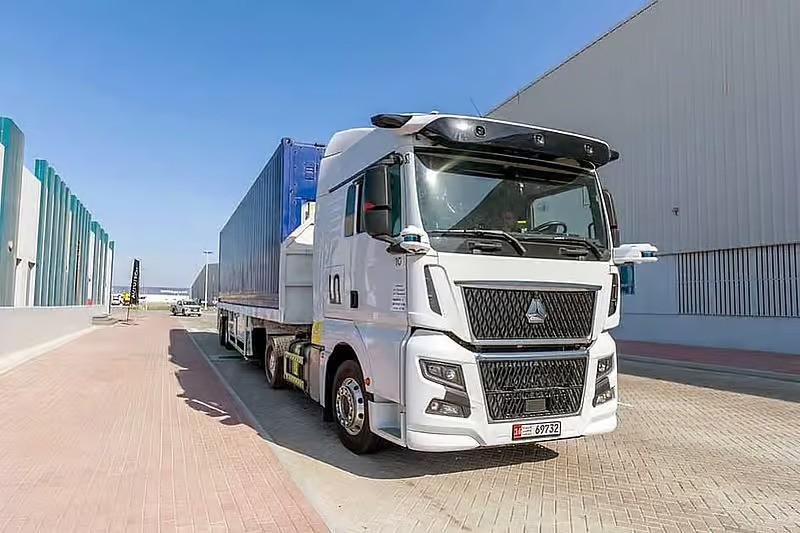
Abu Dhabi Mobility just opened a control room that watches every autonomous vehicle in the emirate, live location, speed, route, all of it, tracked from one place. It also handles emergency response and issues the permits AV operators need to run. If you’re a rider, an AV operator, or a business thinking about launching a fleet here, this is the thing that quietly changes how self-driving cars get managed going forward.
Self-driving cars are only as good as the system watching over them. Abu Dhabi just built that system, and there’s more to it than a press release headline suggests.
What Is This Control Room, Exactly?
It’s a command center, run by Abu Dhabi’s Integrated Transport Centre (Abu Dhabi Mobility), that keeps an eye on every autonomous vehicle operating in the emirate. Not one company’s fleet. All of them.
The team here doesn’t build or test the cars. They supervise what’s already on the road. Staff can pull up any vehicle’s location, speed, and route in real time, and see whether it’s operating the way it’s supposed to.
Why now? Because AV services in Abu Dhabi have grown fast, and fast growth without a central point of oversight tends to create blind spots. One control room, watching every operator the same way, closes most of those gaps.
Who Actually Benefits From This?
Three groups, and each one gets something different.
Riders get a safety net they’ll never see but will quietly benefit from. If something goes wrong, the control room can respond immediately and pull in emergency services without anyone needing to make a call first.
AV operators get a single point of contact instead of a scattered process. Permits, route approvals, compliance checks, all of it runs through one platform now, rather than separate systems depending on who you ask.
City planners and regulators get the data. Trip patterns, route performance, incident logs, it all feeds back into how the rules get written next, so policy doesn’t fall behind what’s actually happening on the roads.
If you’re in any of these three groups, this isn’t a headline to skim past. It’s an operational shift.
How Does It Actually Work?
The backbone of the system is a platform called AViTOMS, short for the integrated platform for AV operation and testing, running alongside a centralized supervision system.
Here’s what that setup does day to day. Vehicles get tracked live, so operators always know where a car is, how fast it’s moving, and what route it’s on. Every trip gets logged, which builds a data trail that’s useful later for safety reviews or spotting patterns. When something goes wrong, the control room can loop in police or ambulance services fast, following procedures that are already approved and ready to go. Regular reports come out of the data too, flagging inefficient routes or recurring problems before they turn into bigger ones. And permits and route approvals happen through the same platform, so operators aren’t stuck filing paperwork somewhere else.
None of these pieces are new on their own. What’s new is having them all live under one roof.
What Problem Is This Actually Solving?
Trust, mostly. Autonomous vehicles don’t scale in any city until riders, businesses, and regulators all believe someone competent is watching them.
Before this, oversight was split across whichever operator ran a given fleet, each with its own standards and its own version of “monitoring.” That’s a recipe for blind spots. If no single authority has the full picture, nobody can respond fast when something actually happens.
This control room fixes that by putting one team in charge of every AV, no matter who operates it. It also solves a scaling problem nobody talks about enough: manual oversight works fine when you have a handful of vehicles. It falls apart once a sector grows the way Abu Dhabi’s AV market has been growing. A live, centralized system is really the only way to keep pace without slowing the sector down.
If You Run (or Plan to Run) an AV Fleet
Expect tighter oversight, not more red tape. Permits and route approvals now run through one platform, which should actually speed things up once your setup is right.
Here’s the catch though: your systems have to talk to theirs. Real-time tracking only works if your fleet’s data feeds cleanly into the centralized platform, continuously and accurately. Operators who treat this like a box-ticking exercise tend to hit friction fast. The ones who get their data integration right from the start move through approvals a lot smoother.
This is usually the part businesses underestimate. Getting vehicle telemetry, route data, and incident reporting to sync properly with a government monitoring system isn’t a paperwork job, it’s a technical one. If you’re navigating that, autonomous vehicle compliance and data integration support is often what separates a smooth launch from a stalled one.
If You’re a Rider or Resident
You’ll get a faster, more coordinated response if anything goes sideways, and more consistent service over time. Real-time monitoring means an AV acting oddly gets flagged and handled quickly, instead of someone having to report it after the fact.
You won’t see the control room. There’s no app for it, no notification. What you’ll notice, eventually, is fewer disruptions and a system that catches problems before they reach you.
Getting Ready For What’s Next
Abu Dhabi has been pretty clear that AV oversight is only going to get more structured from here, not less. If you’re already operating, or thinking about entering the space, the smart move is to treat regulatory alignment as something you build into your operations, not something you scramble for after a compliance letter shows up.
That means building monitoring and reporting from day one. Businesses working on smart mobility products, AI-driven monitoring dashboards, or fleet systems for the UAE market tend to move faster when they already understand how platforms like AViTOMS expect data to flow. If that’s the position you’re in, digiflow.ae’s smart mobility consulting services can help you map it out now, before it becomes a retrofit problem later.
Abu Dhabi’s new control room gives the emirate one real-time view of every autonomous vehicle on its roads. Riders get faster emergency response, operators get a single platform for permits and compliance, and regulators get the data to keep rules current with a sector that’s growing quickly. If you’re building or running AV services here, understanding how this system works isn’t optional anymore. It’s just part of how things run now.
FAQs
What is Abu Dhabi’s autonomous vehicle control room?
A central command center run by Abu Dhabi Mobility that tracks every self-driving vehicle in the emirate in real time, covering location, speed, routes, emergency response, and permits.
What is AViTOMS?
The platform behind the control room. It handles AV operation and testing, including live tracking, trip logging, and route permit approvals.
Is it safe to ride in a self-driving car in Abu Dhabi?
The control room adds a real layer of oversight, since every licensed AV operator now falls under the same real-time monitoring and emergency response system.
Who operates autonomous vehicles in Abu Dhabi?
Several licensed providers run AV services in the emirate, and all of them are now monitored through Abu Dhabi Mobility’s control room.
How do businesses get permits to run autonomous vehicles in Abu Dhabi?
Through the AViTOMS platform, which ties directly into the control room’s monitoring system.
Why did Abu Dhabi launch this control room now?
AV services have expanded quickly across the emirate, and manual, scattered oversight couldn’t keep up. A centralized system was the practical next step.