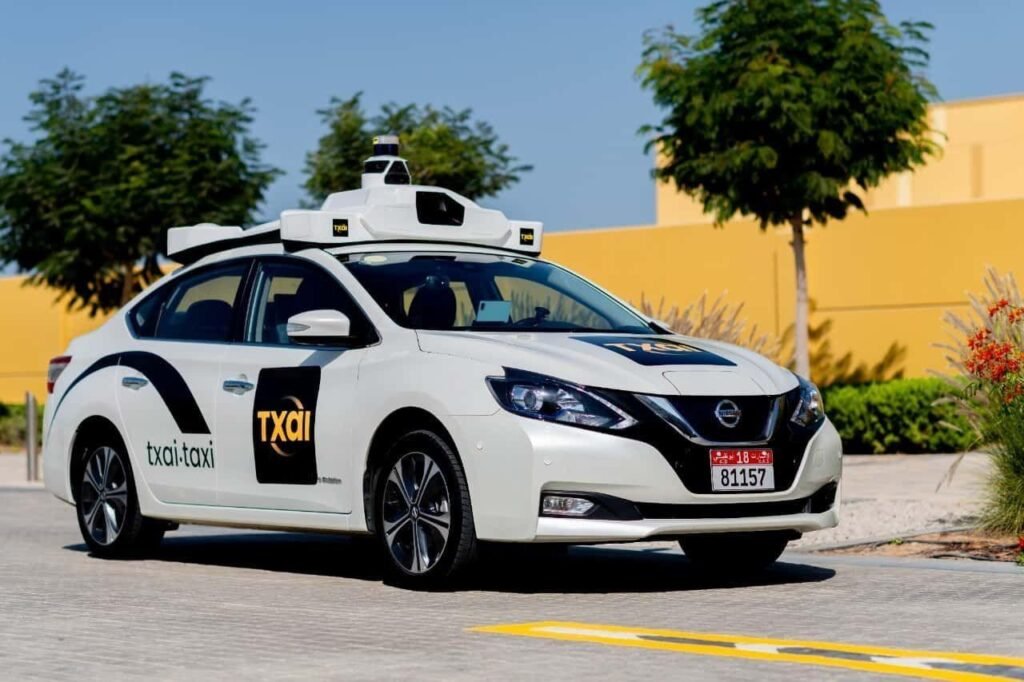
Dubai has established itself as a pioneer in autonomous vehicle deployment, launching commercial driverless taxi services in select coastal districts. The Roads and Transport Authority (RTA) has partnered with leading autonomous driving companies to introduce fully driverless robotaxis to residents and visitors, marking a significant step toward the emirate’s goal of achieving 25 percent autonomous journeys by 2030. This article provides an overview of the service, booking procedures, operational characteristics, and frequently asked questions regarding autonomous taxi operations in Umm Suqeim and Jumeirah.
Service Overview and Launch Details
Regulatory Framework and Partnership Structure
Dubai’s autonomous taxi initiative represents a collaborative effort between multiple stakeholders. The RTA granted WeRide a driverless vehicle trial permit in February 2026, enabling fully driverless robotaxis to operate across designated areas. Concurrently, Baidu’s Apollo Go platform has launched complementary autonomous services through partnerships with Dubai Taxi Company. Both services became commercially available in March 2026, with public operations commencing in Umm Suqeim and Jumeirah.
Fleet Composition and Availability
The initial deployment includes over 200 robotaxis across the Middle East, with a significant portion operating in Dubai. WeRide’s vehicles are available through the Uber application, while Apollo Go operates through its dedicated mobile application. Tawasul Transport, a leading mobility and fleet operator in the United Arab Emirates, manages fleet operations for WeRide vehicles on the Uber platform.
Booking and Access Procedures
Using the Uber Application
Riders can access WeRide’s autonomous vehicles through the standard Uber application. The booking process follows these steps:
- Open the Uber application and enter the desired pickup and drop-off locations within the service zone
- Select the “Autonomous” option when available
- Confirm the ride request
- Wait for vehicle assignment and arrival notification
- Unlock the vehicle using the one-time password provided in the application
- Complete the journey as directed by the vehicle’s onboard system
The average wait time from booking to vehicle arrival ranges from five to ten minutes, depending on vehicle availability in the immediate vicinity.
Using the Apollo Go Application
Apollo Go offers a parallel booking experience through its dedicated platform. The process requires users to:
- Download and install the Apollo Go application
- Create an account and complete user verification
- Select pickup and drop-off locations within the designated service zone
- Confirm the ride request
- Receive a one-time password for vehicle access
- Unlock and board the assigned vehicle
Both platforms display real-time vehicle location information on interactive maps, allowing riders to monitor vehicle approach and estimated arrival times.
Service Coverage and Geographic Limitations
Current Operating Areas
Autonomous taxi services are currently limited to two primary districts: Umm Suqeim and Jumeirah. Both the pickup and drop-off locations must fall within these designated zones for successful booking. The service areas encompass several notable locations, including Burj Al Arab, Kite Beach, Madinat Jumeirah, and numerous commercial establishments.
Future Expansion Plans
The RTA has approved progressive expansion into additional areas, including commercial and industrial districts such as Dubai Silicon Oasis, Dubai Investment Park Second, and Jabal Ali Industrial First. Suburban areas including Nad Al Sheba, Wadi Al Safa, Warsan, and Ras Al Khor have also been designated for future service deployment. This phased expansion approach allows regulatory authorities to monitor system performance and operational safety before broader rollout.
Pricing and Cost Structure
Current Pricing Model
During the initial trial phase, Apollo Go offers complimentary rides through its application. However, the same autonomous vehicles appear as paid options on the Uber platform, with fares subject to dynamic pricing similar to other ride-hailing services. For example, a short trip between Jumeirah Mosque and Umm Suqeim has been quoted at approximately 81.20 United Arab Emirates dirhams on the Uber platform.
Future Pricing Considerations
While current operations include free rides through Apollo Go, the presence of paid options on Uber indicates a transition from testing to commercial operations. Pricing structures may evolve as the service expands and matures.
Vehicle Technology and Safety Features
Autonomous Driving Systems
The robotaxis operate using advanced artificial intelligence, comprehensive sensor arrays, and high-definition digital mapping. These systems process real-time environmental data to make driving decisions and navigate complex urban conditions. The vehicles are designed to handle intersections, traffic signals, pedestrian movement, and comply with all applicable traffic regulations.
Safety Monitoring and Oversight
During the initial operational phase, a safety specialist may be present inside the vehicle during certain trips, indicating ongoing close monitoring. The RTA maintains surveillance over all autonomous vehicle operations, and vehicles are equipped with emergency communication systems allowing riders to contact a control center if assistance is required.
Vehicle Performance Characteristics
Autonomous vehicles in Dubai’s fleet demonstrate consistent operational characteristics. The vehicles maintain steady acceleration and deceleration patterns, exhibit smooth handling of traffic obstacles, and respond appropriately to unexpected road conditions. The vehicles maintain compliance with speed limits and traffic signals, and demonstrate appropriate reaction times to dynamic traffic situations.
Operational Experience and User Considerations
Passenger Comfort and Amenities
The autonomous vehicles feature climate control systems, comfortable seating arrangements, and onboard displays indicating route information and sensor data. The absence of engine noise contributes to a quiet cabin environment. Vehicles are maintained to cleanliness standards consistent with commercial transportation services.
Driving Characteristics and Safety
The autonomous vehicles demonstrate conservative driving behavior, including complete stops at traffic signals and stop signs, smooth acceleration patterns, and cautious navigation around obstacles. The vehicles respond appropriately to unexpected situations, such as vehicles cutting in front or obstacles in the roadway, without erratic behavior or system failures.
Emergency Procedures
Onboard emergency buttons enable direct communication with control center personnel. The control center can monitor vehicle status, intervene if necessary, and dispatch assistance if required.
Regulatory Context and Long-Term Vision
Dubai’s autonomous vehicle initiative aligns with the emirate’s broader smart mobility agenda. The RTA established a target of achieving 25 percent autonomous journeys by 2030, representing a significant shift in urban transportation patterns. The regulatory framework permits autonomous operations on public roads subject to emirate-level approvals and technical inspection requirements.
WeRide and Uber have committed to deploying at least 1,200 robotaxis across the Middle East, spanning Dubai, Abu Dhabi, and Riyadh. This regional expansion demonstrates confidence in autonomous vehicle technology and the regulatory environment supporting autonomous operations.
The Future of Autonomous Taxis in Dubai
Dubai’s autonomous taxi services represent a significant advancement in urban mobility, offering residents and visitors access to fully driverless transportation in Umm Suqeim and Jumeirah. The service combines advanced autonomous driving technology with established ride-hailing platforms, providing convenient access through familiar applications. As the service expands and matures, autonomous vehicles are expected to play an increasingly important role in Dubai’s transportation network, supporting the emirate’s goal of achieving 25 percent autonomous journeys by 2030.
Frequently Asked Questions
Is the autonomous taxi service safe?
The autonomous vehicles are equipped with comprehensive camera and sensor systems providing 360-degree environmental awareness. The RTA maintains continuous monitoring of all operations, and the vehicles’ reaction times exceed human driver capabilities. No reported accidents involving these autonomous vehicles have been documented during commercial operations.
What happens if an emergency occurs?
Onboard emergency communication systems connect riders directly to control center personnel. The control center can stop the vehicle or dispatch emergency assistance as needed.
Is the service truly free?
Apollo Go currently offers complimentary rides through its application. Rides booked through Uber are subject to standard fare pricing. The free service is available during the trial phase and may change as the service transitions to full commercial operations.
Do I need to download additional applications?
Users can access WeRide vehicles through the existing Uber application without additional downloads. Apollo Go requires a separate application installation for access to its autonomous vehicle fleet.
Can I book rides outside Umm Suqeim and Jumeirah?
Currently, both pickup and drop-off locations must be within the designated service zones. The applications prevent booking outside these areas.
Will the service expand to other areas?
Yes, the RTA has approved expansion into commercial, industrial, and suburban areas. The expansion will proceed gradually as regulatory requirements are met and operational readiness is confirmed.
Will pricing change in the future?
While currently free on Apollo Go, pricing structures may evolve as the service transitions from trial to full commercial operations. The presence of paid options on Uber indicates the eventual implementation of standard fare structures.
How many vehicles are currently operating?
Over 200 autonomous vehicles are currently deployed across the Middle East, with significant numbers operating in Dubai.