What's Going On With Sharjah's Faya Place After UNESCO Listing?
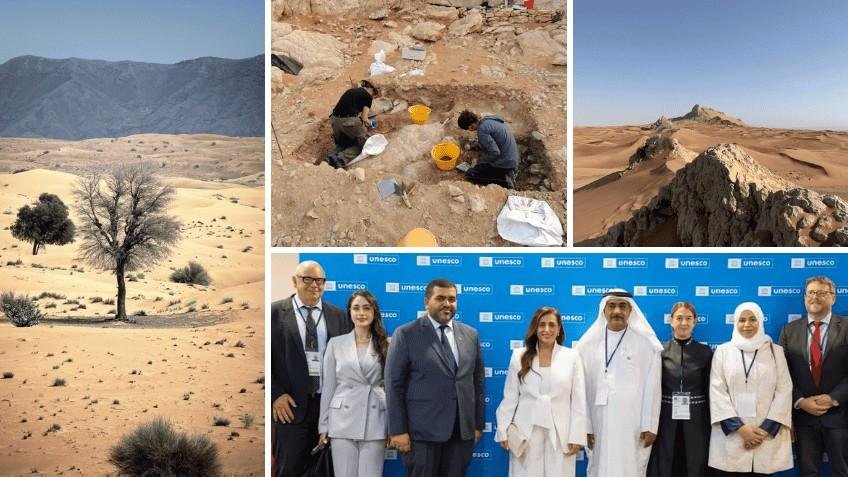
One year after gaining UNESCO World Heritage status, Faya Palaeolandscape has evolved into a leading archaeological research hub. Backed by AED 2 million in funding, international partnerships, and improved visitor facilities, the site is advancing discoveries about early human history while strengthening heritage conservation in Sharjah.
There’s this desert area in Sharjah. It’s called Faya. People have been hanging around there for ages. Like seriously ages. We’re talking about 210,000 years worth of people living there or passing through. That’s not some made up number either. That’s what the archaeologists found when they dug around.
Most places don’t have that kind of history sitting around. You dig down and you find some stuff from one time period, then you go deeper and find stuff from another time period, but there’s usually like big gaps in between where nobody was around or nobody left any evidence. At Faya it’s different. The history is basically continuous. Layer after layer after layer of people doing their thing for hundreds of thousands of years.
So UNESCO looked at this and was like yeah, this is important. Not just for Sharjah or the UAE, but like globally important. They put it on the World Heritage list. Which is basically the international way of saying “this place matters for understanding human history.”
When that happens, things start to shift. Money shows up. Attention shows up. People start caring about how the place gets managed and protected. Sharjah got it. They weren’t gonna just sit on the award. They actually set up a whole office to manage the place. The World Heritage Office. It’s part of the Sharjah Archaeology Authority. These people are basically in charge of keeping everything running right.
The Money Situation
So Sharjah decided to put 2 million dirhams into funding research. That’s actual money. Real funding. Not like a small grant here and there. This is a serious commitment to getting research done at the site.
They basically opened it up and said if you want to study this place, send us a proposal. Universities and research places from all over sent in applications. Forty-nine of them. That’s a lot. It shows that people actually care about this place and want to study it.
The research teams that got the money are from all over. UK, US, Germany, Spain, UAE. Real universities. Real researchers. They’re not just poking around either. They’re studying specific stuff. What was the climate like back then. How did people actually live. Genetic stuff from ancient people. The rocks and dirt and how it all formed. How humans moved around the region over time. Serious research.
This is the kind of thing that costs money. You need people on the ground. You need equipment. You need lab work. You need to document everything. Sharjah is paying for all of that. It’s a real investment in understanding human history.
Who Actually Gets Something Out of This
Researchers obviously benefit. They get to work at a site that’s properly funded and managed. That’s not the norm. Most archaeological sites around the world are basically struggling. The people running them are doing amazing work but they’re always short on money and staff. Faya is different now. It’s becoming a place where research can actually happen the right way.
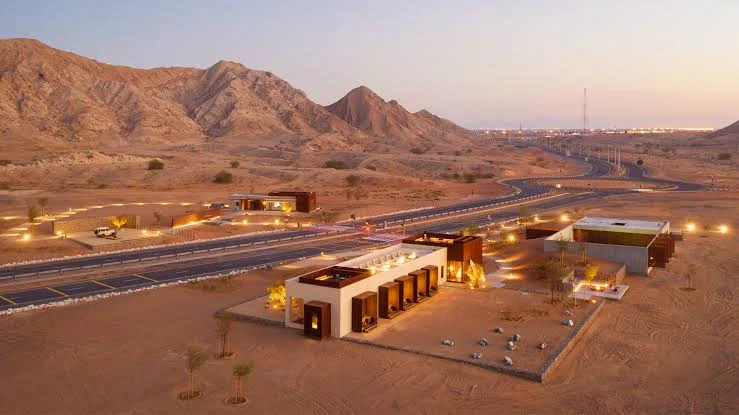
Tourists benefit too. The site got upgraded. There’s an interactive exhibition at the Mleiha Archaeological Centre now. Alongside attractions such as Sharjah Safari Park, Faya is helping expand the emirate’s appeal for travelers interested in nature, culture, and history.
The local area gets money flowing in. Since the beginning of 2026, the Faya website has had over 41,000 digital interactions. That’s real engagement. People are looking at the site, reading about it, thinking about visiting. That means money in hotels, restaurants, tour guides, all that stuff.
There’s also this bigger thing happening. When a place becomes known for serious research and cultural heritage, different kinds of people show up. Academics. Students. People who care about history and science. That’s different from your typical tourist. It creates opportunities in education, professional services, hospitality. It changes what a place becomes.
If you’re paying attention to what’s happening in the UAE, you see this pattern. Sharjah keeps investing in stuff that makes it different from everywhere else. The business side of the UAE is shifting toward these kinds of cultural and heritage investments. It’s not just about building malls and resorts anymore. It’s about having something unique.
Sharjah is also building real estate stuff, which is different but follows the same idea. They’re building things that appeal to people who want something more than just standard development. They’re thinking about what makes the place special.
The tourism strategy fits into this too. The Dubai 5-year tourist visa is designed to get people to stay longer and explore more. Places like Faya fit into that picture. They’re for people who want to do more than just shop and relax on a beach.
Keeping the Place Safe While Letting People Visit
This is where it gets tricky. You want people to see the place and understand it. But you also want to make sure it’s still there and not destroyed in the process. That’s the real challenge with heritage sites.
Sharjah worked on this by making a management plan. They got people from different departments. Planning. Tourism. Infrastructure. Environmental stuff. They all got together and figured out how to make this work. It’s not perfect but it’s a real attempt to balance everything.
The World Heritage Office is basically the central point for all of this. They make sure UNESCO requirements are being met. They make sure that when new discoveries happen, those discoveries actually inform how the site gets managed and protected. They deal with visitors. They handle research coordination. It’s a lot of stuff.
The practical stuff they did, like the UNESCO monument and better signs, is part of this strategy. You’re guiding people to certain areas and away from sensitive zones. You’re making it educational so people understand why they’re being guided in certain ways. It’s not just about rules. It’s about making the whole thing work.
What People Want to Know
What is Faya? It’s an archaeological site in Sharjah where people have lived or passed through for over 210,000 years. UNESCO put it on the World Heritage list because it’s one of the most important places for understanding early human history in the Arabian Peninsula.
How much money did Sharjah spend? They put 2 million dirhams into a research grant program to fund international research projects at the site.
Who’s managing it? There’s a World Heritage Office under the Sharjah Archaeology Authority. They handle conservation, research, documentation, and day-to-day management.
Can you visit? Yeah, you can visit. There’s an interactive exhibition at the Mleiha Archaeological Centre, better signs at the site, and an official UNESCO monument. The visitor experience has been improved.
Why does it matter? It gives us evidence about how humans lived in harsh desert environments thousands of years ago. It shows how people migrated out of Africa and adapted to life in the Middle East. That’s important for understanding human history.
Is this real research or just tourism? Real research. They got 49 proposals from universities worldwide. The funded projects are studying ancient climates, genetics, geology, and human migration. This is legitimate academic work.
What happens with discoveries? The World Heritage Office makes sure new discoveries inform how the site is protected and managed. It’s not just about collecting data. It’s about using that data to make better decisions about the site’s future.
Why should I care? If you’re interested in history, archaeology, or how humans have lived throughout time, this is the kind of place that matters. It’s also becoming a tourism destination if you’re into that sort of thing.
Is Sharjah the only place doing this? No, but Sharjah is doing it well. Other places are investing in heritage too, but Sharjah seems to be taking a serious approach to balancing research, tourism, and conservation.
What’s next for Faya? More research will happen. More tourists will probably visit. The site will continue to be managed and protected. New discoveries will probably happen that change how we understand human history.
Sheraz is a business focused professional who closely follows market trends, emerging technologies, growth opportunities, and modern lifestyle trends. He writes about business, technology, travel, food, wellness, and everyday lifestyle topics, helping readers make informed decisions through practical insights. His expertise lies in helping businesses understand changing consumer behavior, digital transformation, AI adoption, branding, and scalable marketing strategies. He believes every business decision should be backed by data, market demand, and long term sustainability.