Abu Dhabi is spending 200 billion dirhams to basically rebuild how the city works. I’m not talking about just slapping down more buildings. They’re actually thinking about whether people can walk to a coffee shop without dying in the heat, whether there’s a park nearby, whether you can get to work without sitting in traffic for two hours.
The population’s been growing like crazy. In the last ten years, the number of people living there jumped by half. That’s insane growth. Most cities would just fall apart under that kind of pressure. But Abu Dhabi didn’t. Why? Because they actually planned for it. They put one department in charge of planning, roads, and local stuff instead of having five different agencies arguing about everything.
That might sound boring, but it’s actually genius. When everything’s connected, you can move fast. You see a problem, you fix it. You notice a neighborhood’s getting packed, you add more parks and cycling paths. You’re not waiting six months for three different government offices to agree on something.
I’ve watched a lot of cities try to manage growth. Most of them fail because nobody’s coordinating. One agency builds a highway. Another agency zones for housing. A third agency is supposed to handle water. Nobody talks to each other. Then you end up with neighborhoods that are impossible to live in. Abu Dhabi saw that coming and decided to do it differently.
Making a City People Actually Want to Live In
Here’s the thing about cities. If they suck to live in, nobody stays. Your best employees leave. Your businesses struggle to hire. Property values drop. Everything falls apart.
Parks, Bike Paths, and Walkable Communities
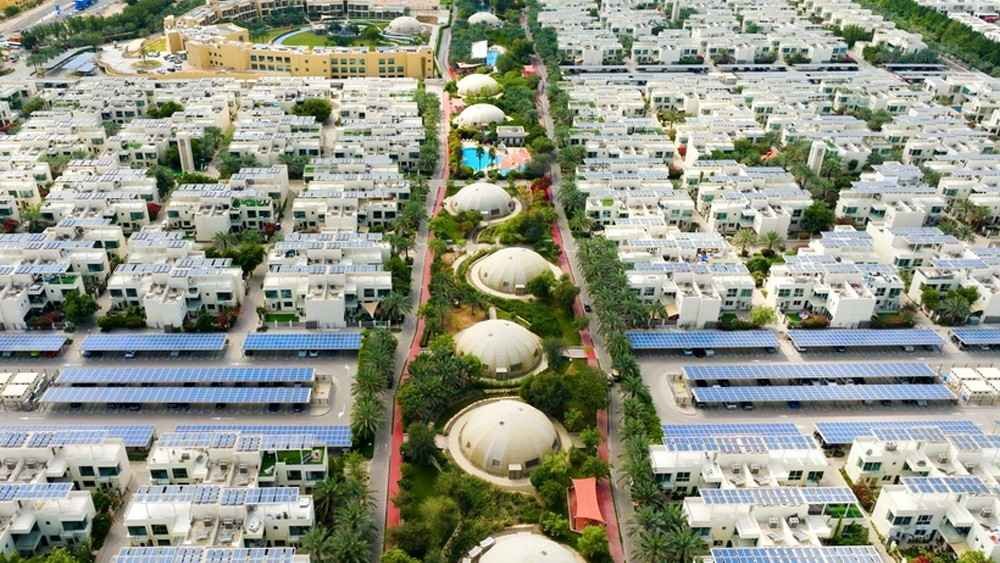
Abu Dhabi gets this. They’re not just building more apartments. They’re building 89 new parks. They’re putting down 85 kilometers of bike paths. They’re making sure people can walk to a doctor, a school, a grocery store without needing a car.
It sounds simple, but most cities don’t do this. They just zone things randomly and hope it works out. Abu Dhabi’s actually measuring whether people are happy. They track how easy it is to walk around. They ask residents what they need. Then they build it. That’s different from how most governments operate.
Why Better Public Spaces Keep People in the City
The outdoor spaces matter more than you’d think. People want somewhere to go on Friday morning that isn’t a mall. That’s why places like Al Wathba Long Salt Lake are packed now. It’s a real place where you can actually see something different. When a city has that kind of stuff, people stay. They build lives there. Their kids grow up there. That’s worth way more than just having cheap rent.
I’ve talked to people who moved to Abu Dhabi and left after a year because it felt like a concrete desert. Now they’re building actual neighborhoods. Real parks. Places where you can sit outside and not feel like you’re in an oven. That changes everything. It changes whether people stay for five years or twenty.
How They’re Actually Pulling This Off
Abu Dhabi isn’t pretending they know everything. They looked around and said, “Singapore figured this out. Let’s work with them.”
So they partnered with a Singapore firm called SJ Group. Singapore’s basically the master at fitting tons of people into a small area without making everyone miserable. They’ve got the digital systems, the building codes, the whole playbook. They’ve been doing this for decades.
What the Singapore Partnership Brings
- Faster planning and permit approval processes for major developments.
- Better use of smart city technology, sustainable engineering, and urban planning expertise.
- More opportunities for private investment alongside government funded infrastructure projects.
What Abu Dhabi’s doing is taking that playbook and adapting it. They’re getting faster permit approvals. They’re hiring engineers who know how to build sustainably. They’re figuring out how to get private companies to fund big projects instead of just relying on government money.
This matters because you can’t build a whole city on government budget alone. You need private investors. You need developers who see opportunity. You need tech companies building smart city stuff. Singapore knows how to make that work. Abu Dhabi’s learning from them.
The partnership isn’t just about copying Singapore. It’s about understanding what works and what doesn’t. Singapore made mistakes too. But they learned from them. Now Abu Dhabi gets to skip the painful part and go straight to the solutions.
You see this approach working in other projects too. Kalba’s Innovative Homes over in Sharjah is doing something similar. They’re building homes literally in the water, doing it sustainably, and making it work financially. That’s the kind of innovation that’s spreading across the whole region. It’s not just Abu Dhabi anymore. Everyone’s learning.
Why This Actually Matters for Business
Let me be straight with you. If you’re thinking about doing business in Abu Dhabi, or investing in property, or hiring people there, this stuff matters.
Better Cities Attract Better Talent
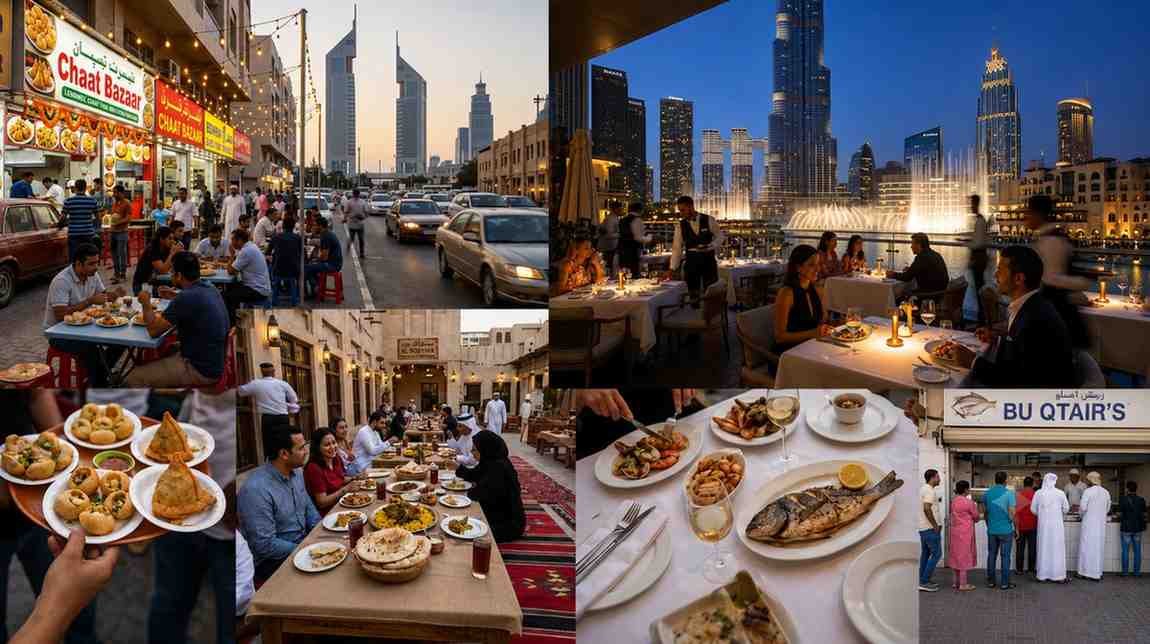
Companies want to be in places where their employees want to live. If you can’t recruit good people because the city sucks, you’re screwed. But if you’re in a place with parks, good schools, decent restaurants, reasonable commutes? You can hire anyone. You can build a real business.
Some of the biggest advantages include:
- Easier recruitment and employee retention
- Stronger demand for commercial and residential property
- Better long term business stability and productivity
Major Investments Create New Opportunities
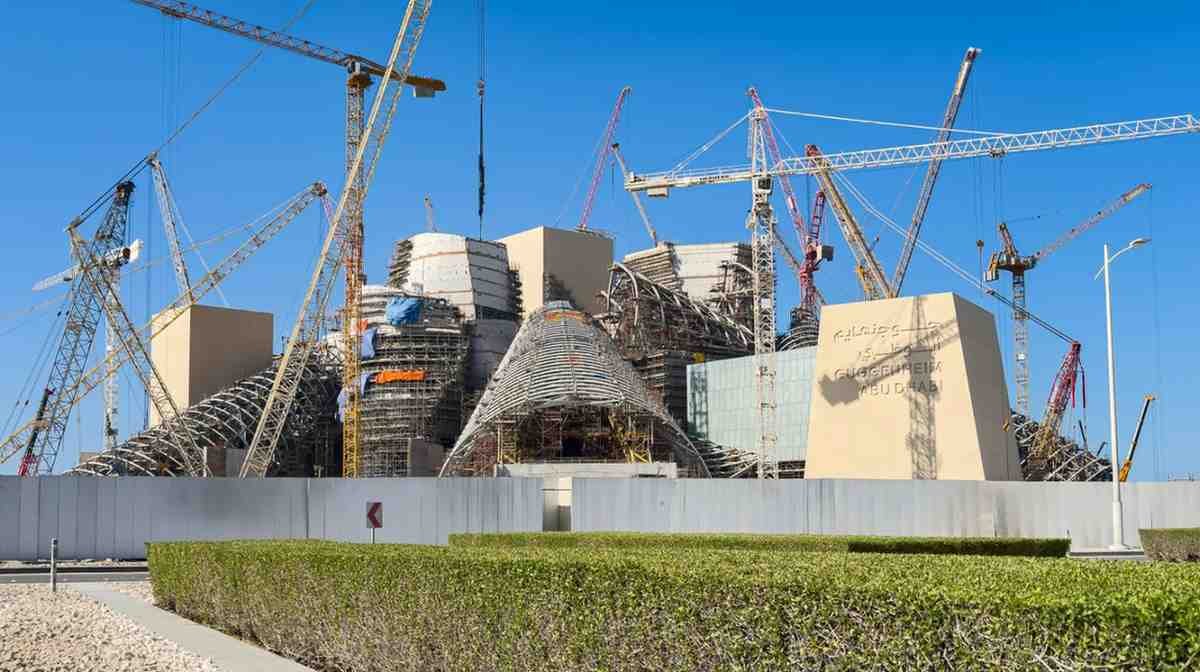
Abu Dhabi’s spending 200 billion dirhams on over 600 different projects. That’s construction work, tech contracts, real estate development, infrastructure jobs. It’s a massive amount of money flowing into the economy. If you’re a contractor, a developer, a tech company, there’s serious money to be made.
They even set up LIVEX 2026 to make it easier for international investors to get involved. You can literally go look at projects, understand the regulations, and figure out where to put your money. It’s not some secret process. They want foreign money. They want the best developers. They want competition.
Look at what’s happening with Abu Dhabi American Energy Deal. Abu Dhabi’s making long-term bets on infrastructure and stability. That’s the same logic here. Build a city people want to live in, and you’ve got a stable place to do business for the next 20 years. That’s worth real money.
I’ve seen investors miss opportunities because they were looking at the wrong metrics. They were looking at raw growth numbers instead of livability. But the money’s following livability now. That’s where the smart money is going.
What This Means Going Forward
Cities that grow fast usually get messy. They get congested. They get polluted. People leave. Property values crash. It’s a predictable cycle. We’ve seen it happen in cities all over the world.
Abu Dhabi’s trying to break that cycle. They’re saying, “We’re going to grow, but we’re going to do it right.” They’re measuring whether it’s working. They’re adjusting when it’s not. They’re bringing in people who know how to do this stuff.
Is it perfect? No. But it’s way better than what most cities do. And for anyone paying attention to the UAE market, this is the blueprint. This is how you build something that lasts. This is how you attract talent, investors, and businesses that stick around for the long haul.
The next decade is going to be interesting. We’ll see whether Abu Dhabi can actually pull this off at scale. But based on what they’re doing so far, I’d bet on them.
Questions People Actually Ask About This
What’s Abu Dhabi actually trying to do with all this money?
They want to build neighborhoods where people actually want to live. Parks, bike paths, good transit, schools nearby. Basically the stuff that makes a city livable instead of just a place where people sleep before going back to work. It’s not complicated. It’s just stuff that most cities ignore.
How much are they really spending?
200 billion dirhams. Over 600 projects. Parks, housing, hospitals, roads, the whole thing. It’s a massive commitment. That’s real money. That’s not some announcement that gets forgotten. That’s actual spending happening right now.
Why are they working with Singapore?
Singapore figured out how to pack a ton of people into a small area without ruining it. Abu Dhabi’s learning from them. They’re getting digital systems, building codes, and ways to structure deals with private investors. Why reinvent the wheel when someone else already did it?
Does this actually help businesses?
Yeah. Good cities attract talent. They attract investors. They create jobs. When you’ve got 600 projects happening, there’s money everywhere. Construction, tech, real estate, services. It all grows. If you’re a business owner or investor, this is opportunity.
Will property values actually go up?
In neighborhoods that get better parks, better transit, better services? Usually yeah. People pay more to live somewhere they actually like. That’s just how it works. It’s not magic. It’s basic economics.
Is Abu Dhabi actually going to follow through on this?
They’ve already started. The parks are being built. The bike paths are going in. The partnerships with Singapore are happening. This isn’t just talk. It’s real projects with real budgets. The question isn’t whether they’ll do it. The question is how fast they can do it and whether they’ll stick with it when things get tough.