Free Things to Do in Abu Dhabi: The Complete 2026 Local Guide
You can experience Abu Dhabi's top attractions without spending on admission, if you know where to go. This guide covers truly free landmarks, hidden local gems, evening activities, summer friendly attractions, booking requirements, transport tips, and common mistakes, helping you plan an authentic, budget friendly visit.
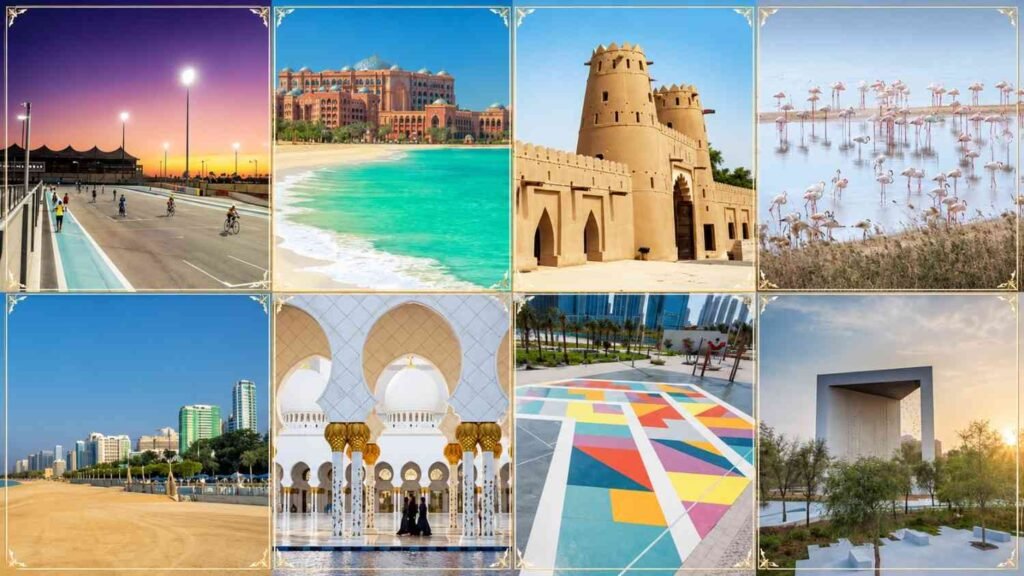
Here’s the short answer. You can fill two or three days in Abu Dhabi without paying for a single attraction. The Grand Mosque is free. The Corniche is free. The mangroves, the fish market, a handful of galleries, even the Formula 1 track on certain evenings. All free.
The catch, and there’s always a catch, is the fine print nobody bothers to write down. A few of these places need a free booking made before you show up. Corniche Beach has free gates and paid gates standing a few metres apart, and tourists queue at the wrong one every single day. And at least two spots that keep appearing on ‘free Abu Dhabi’ lists charge an entry fee. I know because I’ve paid it.
So this is my attempt at the guide I wish existed. The famous stuff first, with the booking steps and timings spelled out. Then the places I’d actually send a friend. I’ve added sections for evenings, for surviving summer, and an honest bit at the end about things that cost ten dirhams but get called free anyway.
The Big Names You Can Visit for Free
Sheikh Zayed Grand Mosque
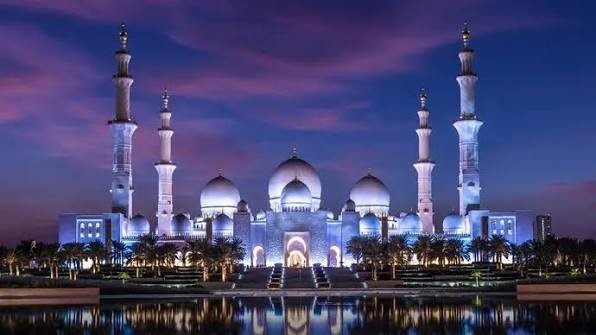
Free entry, free guided tours, no exceptions. But you need an access pass booked on the mosque’s official website before you arrive. It takes two minutes and costs nothing. People still turn up without one and get stuck at the gate arguing, which is a miserable way to start.
Visiting hours run 9am to 10pm, Saturday through Thursday, last entry 9:30pm. Fridays it shuts to tourists for prayers around midday and reopens in the afternoon. Dress code is non-negotiable. Shoulders, arms and ankles covered, headscarf for women. Wear something loose anyway, you’ll be more comfortable.
My advice? Arrive an hour before sunset. The marble goes from white to gold, then the floodlights kick in and the reflection pools earn their reputation. Take the free tour too. It’s 30 to 45 minutes, starts on the east side, and the guides show you things like the gold leaf calligraphy up in the domes that I’d walked past three times without noticing.
Wahat Al Karama
Straight across from the mosque. It’s a memorial to Emiratis who died serving the country, built from massive leaning aluminium tablets, and almost every tour bus drives right past it. Their loss honestly. The elevated plaza gives you the cleanest view of the mosque anywhere in the city, and at dusk you can watch the whole thing light up across the water.
No ticket, no booking, no queue. Go late afternoon.
The Founder’s Memorial
At the western end of the Corniche there’s a garden holding The Constellation, a 30 metre sculpture made of over a thousand shapes hanging on cables. Stand in the right spot and they line up into a portrait of Sheikh Zayed. During the day it looks like abstract art. After dark, when the lights come on, the face appears. Genuinely worth the double take.
Free, open into the evening, small visitor centre if you want the backstory. Pairs naturally with a Corniche walk.
The Corniche and Corniche Beach
Roughly eight kilometres of waterfront. Separated cycle track, shaded paths, playgrounds, lawns everywhere. In winter the whole city seems to migrate here after dinner, and families are still picnicking on the grass at 11pm. Costs nothing at any hour.
Now, the beach. This is the bit that trips people up. Corniche Beach has free public gates and managed gates that charge about AED 10, and they sit almost side by side. Same sand. Same water. The paid side gets you showers, lifeguards and the serviced family zone. If you just want a swim, walk to a free gate and bring your own towel. Nobody will look at you twice.
The Mangroves
Abu Dhabi has an actual mangrove forest pressed up against the city, and walking the public paths along the Eastern Mangroves is free. Go early, at low tide if you can manage it. Herons, crabs scuttling about, sometimes a ray gliding through the shallows. It’s the quietest place inside the city limits and it smells like nowhere else here.
One correction to what you’ll read on other sites. The wooden boardwalk at Jubail Island is not free, it charges entry. Kayak tours cost money too. The free part is the walking and cycling access around Eastern Mangroves, which for a slow morning is honestly enough.
The Places Most Lists Never Mention
Cultural Foundation and House of Artisans
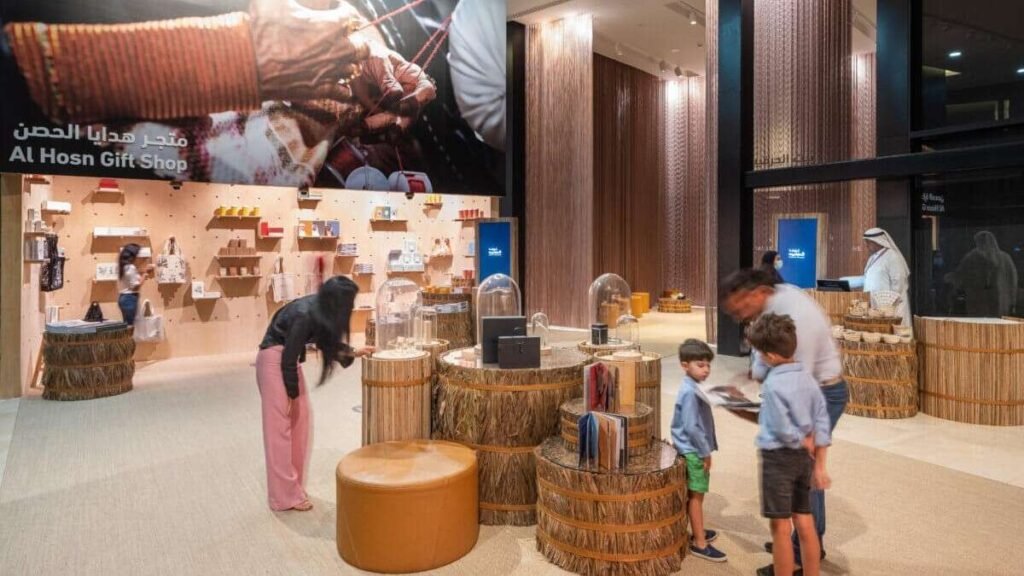
The district around Qasr Al Hosn is the closest thing Abu Dhabi has to an old town, and most of it costs nothing to enjoy. The Cultural Foundation runs free exhibitions year round. Next door, the House of Artisans has women doing live Sadu weaving and Talli embroidery demonstrations, the real thing, not a show put on for tourists. The fort itself charges admission but its grounds are open.
File this one under summer survival too. It’s all air conditioned, and I’ve killed entire August afternoons here.
Mamsha Al Saadiyat
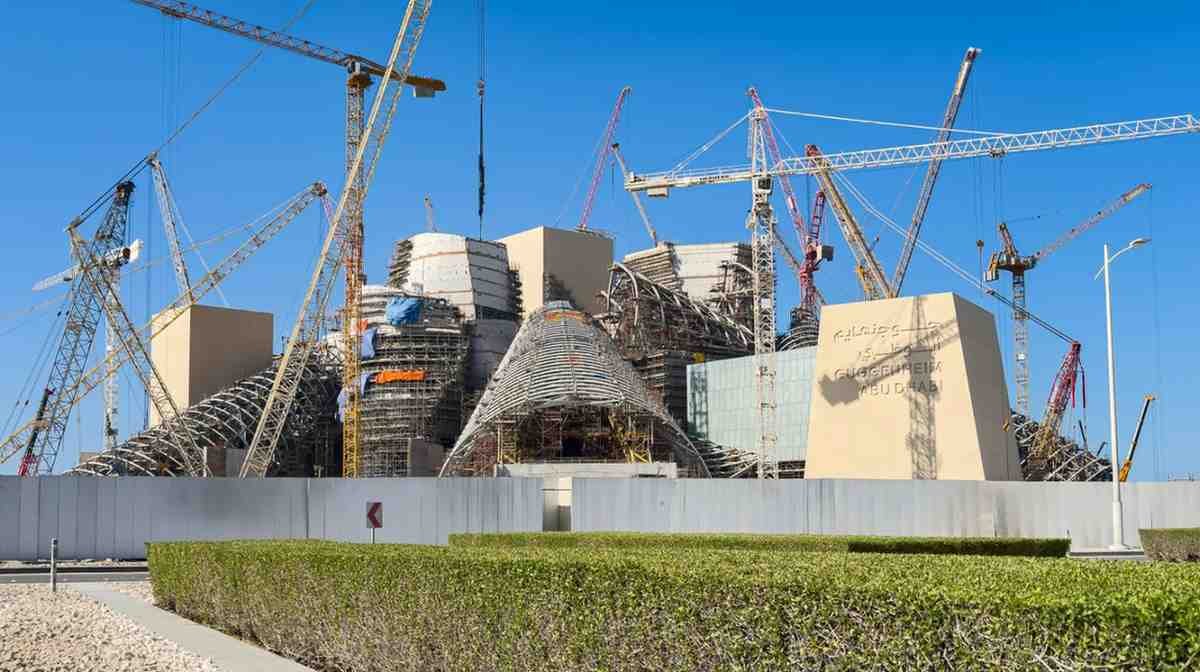
Saadiyat has a reputation for paid beach clubs and museum tickets, so people assume the whole island costs money. It doesn’t. The Mamsha walkway runs free along the beachfront, restaurants on one side, open Gulf on the other. Evening is the time. You also get the Louvre’s dome and the new museum buildings on the skyline, and looking at architecture is still free, last I checked.
Yas Bay Waterfront
The south end of Yas Island turned into a proper evening spot over the past few years. Wide promenade, water features, free entertainment along the pier most weekends. Parking is easy, which by Abu Dhabi standards is worth mentioning. You can spend two hours here and buy nothing but a karak from a kiosk. Or nothing at all.
If you enjoy discovering places that are still relatively quiet, Shuweihat Island in Abu Dhabi offers another scenic escape with dramatic coastal views and rugged landscapes, making it a great option for a future road trip beyond the city.
Al Maryah Island Promenade
The quiet cousin of the Corniche. It loops around the financial district with the towers lit up across the water, and after 6pm it fills with office workers running laps, which tells you what the locals think of it. The Galleria mall connects to it if you need to cool down halfway round.
Al Fay Park and Reem Central Park
Built for Reem Island residents, not tourists, and that’s exactly the appeal. Al Fay is planted like a small urban forest, with shaded courts and cycle loops under the trees. Reem Central adds a skate park and a stretch of beach. Both free. Neither appears in any guidebook I’ve seen.
Al Wathba Fossil Dunes
About 45 minutes out of town, the wind has spent thousands of years carving these calcified dunes into shapes that look deliberately sculpted. If you’re already making the drive, it’s easy to combine the trip with Al Wathba Long Salt Lake, another remarkable natural landscape that showcases a completely different side of Abu Dhabi’s desert environment.
Camel Racing at Al Wathba
This is the one I push on visitors hardest. Through the cooler months, roughly October to April, the Al Wathba track runs camel races on weekend mornings and spectators walk in free. Robot jockeys. Owners tearing along the inside track in 4x4s shouting instructions at their camels through radios. You will not see anything like it anywhere else. Races start brutally early, often before 7am, so check timings and drag yourself out of bed once. You won’t regret it.
Mina Zayed: Fish, Dates, Dhows
The port district. Least polished corner of the city, easily the most interesting free hour in it. The fish market when the catch lands, the dates market where sellers press samples on you before you’ve said a word, wooden dhows rafted three deep along the harbour wall. No entry fees anywhere. And your photos won’t look like anyone else’s Abu Dhabi album, which counts for something.
421 and Etihad Modern Art Gallery
421 Arts Campus, near the port, is a converted warehouse running free contemporary exhibitions with a lean toward young Gulf artists. Etihad Modern Art Gallery over in Al Bateen is smaller, part gallery, part courtyard cafe. Both free, both cold inside, both empty compared with the big museums. That’s a compliment.
Cycle a Formula 1 Track. Yes, Really. Yes, Free.
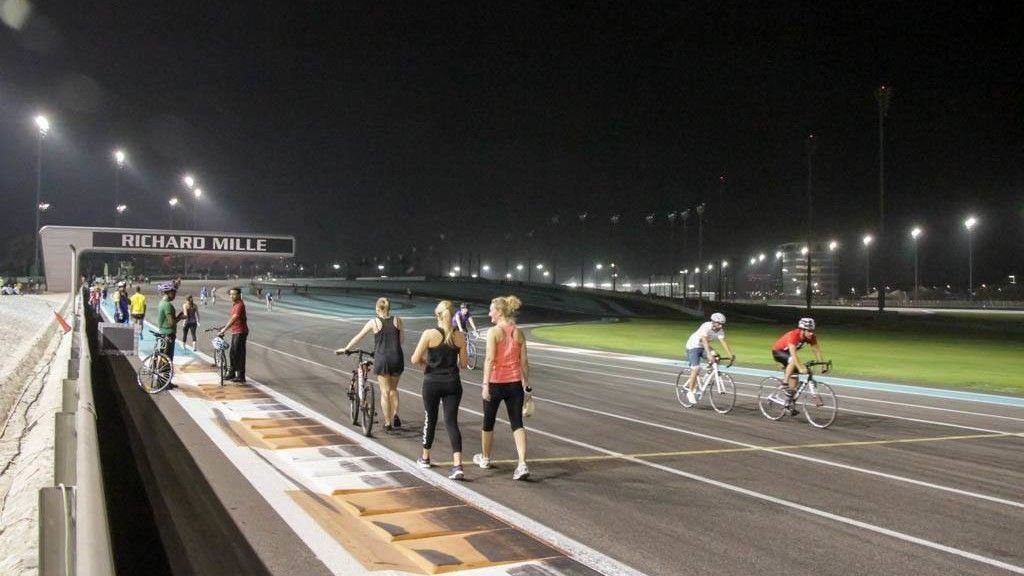
The first time someone told me about TrainYAS I assumed I’d misunderstood. I hadn’t. On selected weekday evenings, usually 6pm to 10pm, Yas Marina Circuit opens the actual Grand Prix track to the public. Floodlights on. You walk it, run it or cycle it, and it costs nothing.
Register on the circuit’s website first and you’ll get a barcode that skips the registration queue at the gate. They lend out bikes and helmets free, first come first served, and on busy nights the bikes do run out, so come early if you need one. One evening a week is ladies only, with all female staff.
The schedule moves around track bookings and the race calendar, so check the official page the same week you plan to go. A lap is a bit over five kilometres. Riding underneath the hotel that arches over the circuit, at night, under lights, is one of the stranger and better free experiences in the country.
A Free Day Out: Al Ain
Ninety minutes inland and it feels like a different country. Al Ain Oasis is a working date plantation, UNESCO listed, and free to enter. Shaded paths thread between thousands of palms fed by falaj channels that have been running for centuries, and the temperature genuinely drops a few degrees once you’re inside the green.
Al Jahili Fort nearby is free too, including the Wilfred Thesiger exhibition, the explorer who crossed the Empty Quarter twice in the 1940s and took photographs the whole way. Finish at Green Mubazzarah under Jebel Hafit, where warm spring water runs through public lawns and half of Al Ain shows up with picnic rugs on winter Fridays. The drive up Jebel Hafit itself costs only fuel, and it’s the best road in the Emirates. Fight me on that.
If you decide to spend more than a few hours there, you’ll find plenty of things to do in Al Ain, from historic forts and museums to family attractions that easily turn this into a full day trip.
After Dark
For most of the year Abu Dhabi is better at night anyway, and the free stuff improves with it. My standard free evening for visitors: mosque at dusk, Wahat Al Karama as the lights come on, then a long Corniche walk or Yas Bay depending which side of town you’re on.
The Constellation only shows its portrait after dark. Daytime visits miss the point.
TrainYAS runs under floodlights, evenings only.
The Corniche stays busy until midnight in winter, and parking gets easier after 9pm.
Yas Bay has free shows and fountains most evenings.
Mamsha Al Saadiyat is coolest and calmest once the sun’s gone.
And in Summer?
June to September the daytime heat sits above 40 degrees and no amount of positive thinking changes that. So don’t fight it. Outdoors before 8am or after 6pm, indoors the rest of the day. The mangrove paths at dawn are still lovely. The beach in the last hour before sunset is fine.
For the middle of the day there’s a decent free indoor circuit. Cultural Foundation, House of Artisans, 421, and Etihad Modern Art Gallery all provide welcome relief from the heat. If you’re looking for even more ways to stay cool, there are plenty of summer activities in Abu Dhabi that combine indoor entertainment with seasonal events. And the malls, obviously. Window shopping is practically a recognised sport here. The mosque works in summer too, since that marble courtyard sheds heat fast once the sun drops.
Not Free, But Close. An Honest List.
A few places keep landing on free lists when they charge at the gate. Rather than copy the mistake, here’s the truth, because ten dirhams is still budget travel by any definition.
Umm Al Emarat Park charges around AED 10 per adult, under threes go free. You get the botanical garden, the Shade House and an animal barn with camels and goats. Best value family afternoon in the city. Still not free, whatever the other articles say.
Corniche Beach’s managed gates are about AED 10 for the section with showers, lifeguards and the family zone. Free gates are right there beside them.
The Jubail Mangrove Boardwalk charges entry, full stop. Want mangroves for zero dirhams? Eastern Mangroves promenade.
City buses run a few dirhams a trip on a rechargeable Hafilat card. Cheapest way to connect everything in this article by a mile.
Quick Reference
Place
Area
Cost
Booking?
When to go
Sheikh Zayed Grand Mosque
Between the bridges
Free
Yes, free online pass
Hour before sunset
Wahat Al Karama
Opposite the mosque
Free
No
Late afternoon
The Founder’s Memorial
End of the Corniche
Free
No
After dark
Corniche Beach
Corniche
Free gates, or approx AED 10
No
Morning or late day
Eastern Mangroves walk
Eastern Mangroves
Free on foot
No
Early, low tide
Cultural Foundation
Al Hosn
Free
No
Midday, it’s indoors
Mamsha Al Saadiyat
Saadiyat Island
Free
No
Evening
Yas Bay Waterfront
Yas Island
Free
No
Evening
TrainYAS, Yas Marina Circuit
Yas Island
Free
Yes, free registration
Weekday evenings
Al Wathba Fossil Dunes
Al Wathba desert
Free
No
Golden hour
BAPS Hindu Mandir
Abu Mureikha
Free
Yes, free ticket. Shut Mondays
Weekday mornings
Al Ain Oasis
Al Ain
Free
No
Winter mornings
Worth knowing: the BAPS Hindu Mandir out at Abu Mureikha is free but wants a free ticket booked in advance through its app, runs airport style security, bans shorts, and closes Mondays. The Abrahamic Family House on Saadiyat, with its mosque, church and synagogue on one site, is also free with online registration.
Getting Between It All Cheaply
Taxis will quietly eat your budget because everything here is spread out. The bus network covers nearly every spot in this guide for a few dirhams a ride, and Google Maps handles the routes properly. Pick up a Hafilat card at the main station or a big stop, load a bit of credit, done.
The tourism department has also run a free shuttle linking the main sights at various points, so check the Visit Abu Dhabi site for whatever the current route is before you land. Inside each district, just walk. The Corniche, Al Maryah, Yas Bay and Mamsha were all designed for feet. Outside summer, anyway.
Final Thoughts
Abu Dhabi gets called an expensive city, and it can be, if you let it. But think about what’s actually free here. The most famous building in the country. Eight kilometres of waterfront. A mangrove forest, a fish market, fossil dunes, an oasis, and a Formula 1 circuit on Tuesday nights. That’s not a consolation list. That’s a holiday.
Start with the mosque and the Corniche like everyone does. Then go find the camel track at dawn. Once you’ve explored the capital, it’s worth planning more weekend activities across the UAE, especially if you’re staying long enough to discover what the other emirates have to offer. The city saves its best stuff for people who slow down, and it asks almost nothing for it.
FAQ
Is the Sheikh Zayed Grand Mosque free to enter? Yes. Entry and the daily guided tours cost nothing. You do need a free access pass booked on the official mosque website before you visit, and the dress code is strictly enforced.
Which beaches in Abu Dhabi are free? Corniche Beach has free public gates next to its paid ones. Al Bateen Beach and the public stretches on Hudayriyat Island are free too. The serviced sections with sunbeds and showers charge roughly AED 10.
Do any free attractions need advance booking? Three. The Grand Mosque needs its free online pass, the BAPS Hindu Mandir needs a free ticket via its app and shuts on Mondays, and the Abrahamic Family House asks you to register online. Everything else here is walk in.
What’s free in Abu Dhabi at night? The mosque under floodlights, The Constellation at the Founder’s Memorial, the Corniche, Yas Bay Waterfront, and free TrainYAS sessions on the F1 track at Yas Marina Circuit.
Is Abu Dhabi doable on a budget in summer? Yes, if you plan around the heat. Outdoor spots before 8am or after sunset, free indoor culture in between. Hotel prices also fall hard in summer, which softens the blow.
Is the Corniche free? Completely. All eight kilometres of promenade, the cycle track, playgrounds and lawns, at any hour. Only the managed beach gates and bike hire cost anything.
How much is public transport in Abu Dhabi? A few dirhams per city bus trip using a rechargeable Hafilat card. Buses are far and away the cheapest way between attractions.
Sheraz is a business focused professional who closely follows market trends, emerging technologies, growth opportunities, and modern lifestyle trends. He writes about business, technology, travel, food, wellness, and everyday lifestyle topics, helping readers make informed decisions through practical insights. His expertise lies in helping businesses understand changing consumer behavior, digital transformation, AI adoption, branding, and scalable marketing strategies. He believes every business decision should be backed by data, market demand, and long term sustainability.