How to Stop Paying for Bags: Beating the UAE Plastic Bag Ban
You’re losing up to Dh1,200 yearly on paid bags under the UAE plastic bag ban, mostly due to forgetfulness, not cost. Fix it by keeping reusable bags visible, using durable options like juco or crates, and reusing store bags properly to cut waste and stop unnecessary spending.
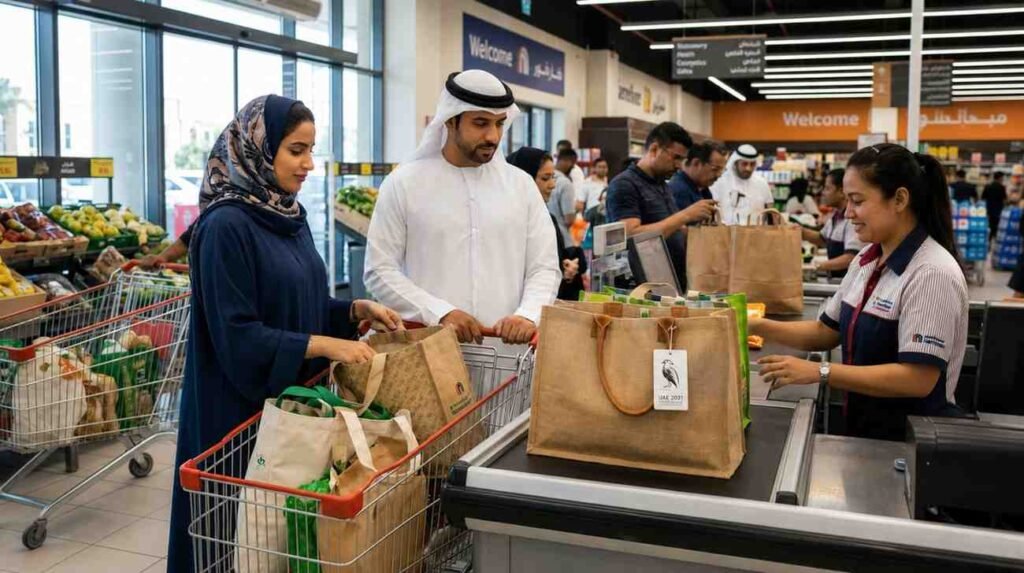
Back in January 2026, the UAE banned plastic bags thinner than 50 microns. Now most stores charge you for thicker bags instead. If you’re still buying bags at checkout, you’re definitely not the only one. Everyone knows they should bring reusable bags. Getting yourself to actually do it though? That’s the hard part.
This article breaks down why making the switch is tougher than people think and what genuinely works to cut costs and waste.
The Real Reason People Keep Buying Bags
Money isn’t really the issue. Fifty fils or a couple of dirhams feels like nothing when you’re already dropping hundreds on groceries. The real problem is just remembering to grab your bags before you leave home.
Why Convenience Wins Every Time
UAE University did a study on this back in 2024. What they found was pretty straightforward. People understand the plastic problem. They really do. But once you’re at the store, convenience takes over. You left the bags at home. You’re already in the middle of shopping. So you just grab a bag at the register.
How Small Bag Charges Turn Into Big Costs
For families buying groceries in bulk, the numbers get pretty ugly. Say you need ten bags for your weekly shop at Dh2.50 each. That’s Dh25 gone just on bags. Do that every week and you’re spending Dh100 a month. Across the whole year, that adds up to Dh1,200. That’s a lot of money spent on something you shouldn’t need to buy.
Here’s the thing though. The thicker bags sold now actually have more plastic in them than the old thin ones did. If you toss them in the bin after using them once, they’re actually worse for the environment. The whole point of the ban was to help. But it kind of backfires if people just trash the bags anyway. Once you start paying attention to small habits like this, you also begin to notice how they fit into the UAE’s broader environmental sustainability efforts, which have been improving across a range of initiatives in recent years.
Building a Bag Habit That Sticks
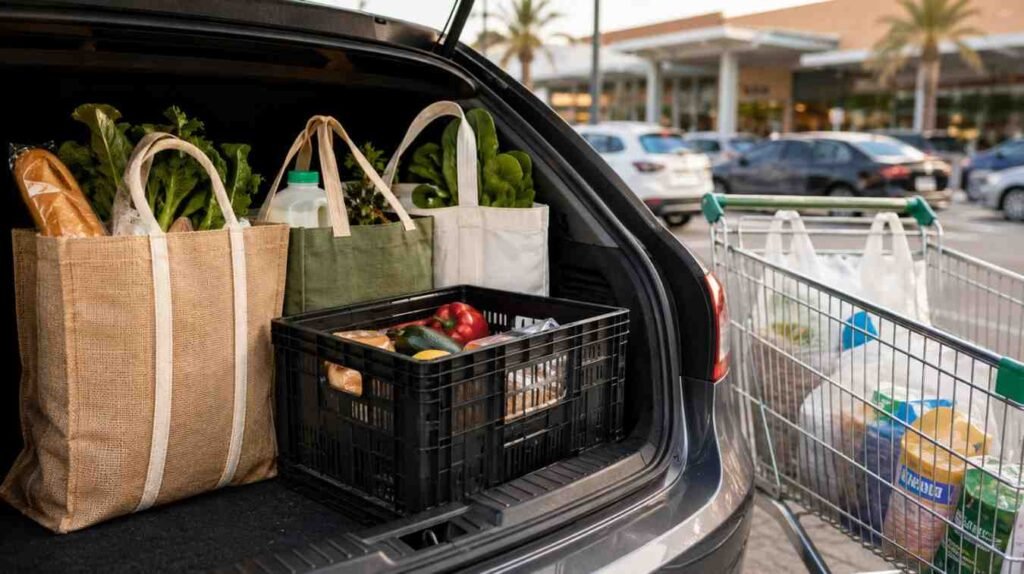
The real trick to remembering your bags is putting them somewhere you can’t miss them. Keep them in your car trunk. Leave some by the front door. Stick one in your work bag or purse. Just put them in places you look at regularly.
I’ve found that this becomes even easier once shopping turns into part of your weekly routine instead of a last minute stop. Whether you’re picking up groceries yourself or mixing supermarket trips with food delivery, small habits quickly become automatic, which is one reason shopping habits in the UAE have been changing over the past few years.
Keep Your Reusable Bags Where You’ll See Them
The idea is straightforward. Make your bags visible and easy to grab. Out of sight means out of mind. You’ll forget them every single time. But if they’re sitting right there, you’ll just take them without even thinking about it.
Juco bags run about Dh7.50 at most places. They’re jute and cotton mixed together. They hold up for months of regular shopping. After three uses, they’ve basically paid for themselves. A regular thick bag is Dh2.50 but it won’t last nearly as long.
Simple Tricks to Remember Your Bags Every Time
Some folks set phone alarms before they go shopping. Others leave a note on their steering wheel. Rewards work too. If you remember your bags five times straight, grab yourself something nice. Sounds dumb but it actually works. You build habits faster when there’s something in it for you.
What Bag Options Actually Work
Juco bags are great for normal grocery runs. They take heavy stuff without ripping. Easy to wash. They last forever. Canvas bags are good if you’re not buying much. Cotton bags work but they don’t hold up as long as juco.
Foldable Crates for Large Grocery Trips
If your family needs tons of bags, foldable plastic crates are worth looking at. You throw groceries straight from the cart into the crates. No bags at all. Throw them in your car and unload at home. Faster than messing with individual bags and you never run short on space.
Make the Most of Every Bag
Rolling carts are another thing to consider. Some people like them for regular shopping. No bags needed and your hands are free. If you do buy the thick bags from the store, use them more than once. They work as trash bags. You can use them for storage stuff. That’s what makes them actually good for the environment. Reusing them is the key.
The Money Adds Up Fast
Think about how you shop. How many bags do you actually buy in a week? Most families end up buying somewhere between five and fifteen depending on what they’re getting. At Dh2.50 per bag, ten bags a week runs you Dh25. That’s Dh100 monthly. Over twelve months you’re looking at Dh1,200. That’s cash you could use for something else.
A juco bag is Dh7.50 and lasts for years. Buy three or four and you’re done. You’re spending less than Dh30 total. After that, no more bag expenses. Watching these small costs matters. Most people ignore them because they seem tiny. But they pile up. If you’re dropping Dh1,200 yearly on bags, that’s worth changing.
Questions People Actually Ask
What exactly is banned? The ban covers plastic bags thinner than 50 microns. Those are the flimsy bags stores used to hand out free. Thicker bags are still okay but you have to pay for them now.
Why are stores charging for bags? The fee is designed to get people to bring their own bags. It’s an incentive thing. Free bags mean people grab them without thinking. Paid bags make people think twice.
How much do bags cost? Depends on where you shop and what kind of bag. Regular thick bags are around Dh2.50. Juco bags usually go for Dh7.50. Some places have fancier options that cost more.
Are the new bags better for the environment? Only if you use them more than once. A thick bag that ends up in the trash after one use is actually worse than the old thin bags. You only get environmental benefits if you reuse them.
What should big families do? Foldable crates are a solid option. You could also grab a few juco bags and switch between them. Some families go with rolling carts. Just find what works for how much you buy.
Where should I keep my bags? Put them somewhere you actually look at. Car trunk, front door, work bag. Anywhere you won’t forget about them. Stuck in a closet? You’ll never think to grab them.
Do reusable bags really save money? Absolutely. The numbers are simple. Spend Dh30 on some good bags and you’re saving Dh1,200 yearly on bag costs. That’s a great return.
Sheraz is a business focused professional who closely follows market trends, emerging technologies, growth opportunities, and modern lifestyle trends. He writes about business, technology, travel, food, wellness, and everyday lifestyle topics, helping readers make informed decisions through practical insights. His expertise lies in helping businesses understand changing consumer behavior, digital transformation, AI adoption, branding, and scalable marketing strategies. He believes every business decision should be backed by data, market demand, and long term sustainability.