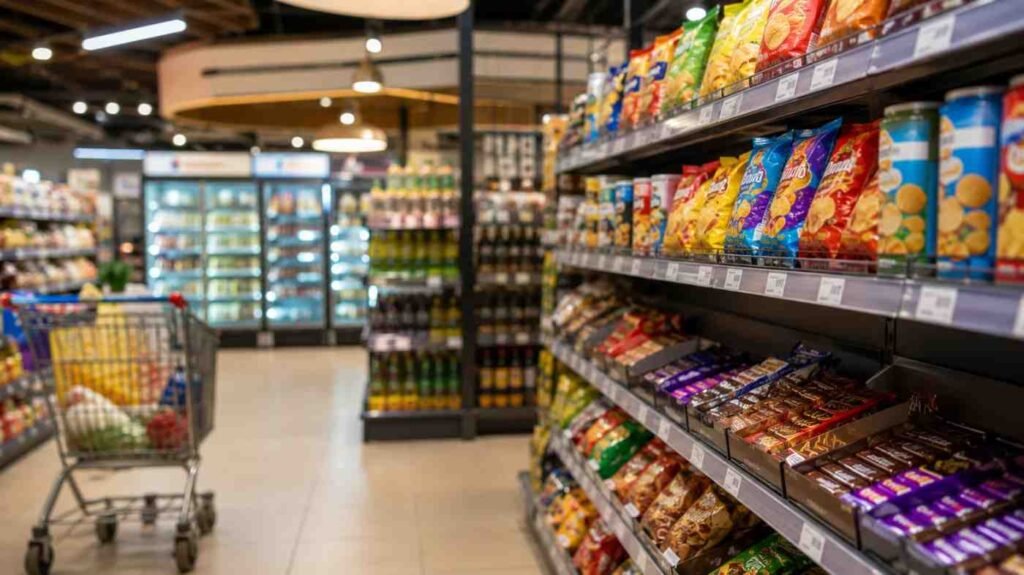
So Abu Dhabi’s doing something pretty interesting starting next year. From January 1st, 2027 onwards, supermarkets can’t put all the sugary drinks, salty snacks, and fatty foods in those obvious spots anymore. You know, where they usually stick the chocolate bars at checkout or pile up chips by the entrance. That’s all changing. The Abu Dhabi Registration Authority and this group called Healthy Living decided to push this through. Basically they want to mess with how stores display unhealthy stuff.
The thing is, they’re not banning anything. You can still walk in and buy whatever junk you want. They’re just moving it around so it’s not the first thing you see. If your supermarket is bigger than 4,000 square feet, you’ve got to follow these rules. Online grocery platforms have to do it too. It’s kind of a big deal for retailers because a lot of their money comes from people grabbing stuff they didn’t plan to buy.
Who’s Impacted By This Change
Store owners and managers are definitely feeling this one. If you run a supermarket in Abu Dhabi and it’s over 4,000 square feet, you’re dealing with this. Smaller shops get a pass. Online grocery companies are in the same boat. They need to figure out how to reorganize their apps and websites. Shoppers will notice the difference when they go shopping, but honestly it’s probably not the worst thing. You might actually think about what you’re buying instead of just grabbing stuff on the way out.
How It’s Supposed To Work
Let’s say you go to a supermarket. Right now there’s usually a bunch of candy and energy drinks right there at the register. Next year that won’t be there. Those items move to somewhere else in the store. Same with the entrance. No more big displays of chips and cookies welcoming you in. The end of aisle promotions with junk food? Those get moved too.
Changes for Online Grocery Platforms
For online shopping it’s different. When you open up a grocery app, unhealthy products might show up on the main page or get suggested to you. Under the new rules that stops happening. Your search results won’t be full of junk food. And those pop-up ads during checkout? They’re going away. The Abu Dhabi Public Health Centre has something called SEHHI that decides what counts as unhealthy. It’s based on fat, salt, and sugar content. That’s what determines which products get moved around.
What Online Platforms Have To Do
Online grocery sites have a lot to figure out. They can’t put unhealthy stuff front and center on their homepage anymore. Their search systems need to be changed so these products don’t show up first. During checkout, no more temptation items. Those promotional banners pushing junk food are not allowed.
It’s actually a pretty big shift for these companies because they make a lot of money off impulse buying and smart product placement. If you’ve ever opened a grocery app for one thing and ended up adding three or four extra items to your basket, you’ve seen exactly how this works. We’ve already seen similar changes in broader discussions around UAE food delivery trends, where digital platforms have become incredibly good at influencing buying decisions.
Why Abu Dhabi Is Doing This
Abu Dhabi’s been working on health stuff for a while. This isn’t happening in isolation. The emirate has gradually introduced more initiatives focused on prevention and long term wellbeing, much like other programmes supporting healthier lifestyles across the UAE.
How Stores Are Getting Ready
Retailers across Abu Dhabi are already working on this. Carrefour finished their changes ahead of schedule. Other stores are talking to Healthy Living and the Abu Dhabi Registration Authority to make sure they’re doing it right. They’re looking through their inventory, figuring out which products are unhealthy, and planning new store layouts. Online companies are reprogramming their systems to change how products get shown to customers. It’s not quick. You need to coordinate with suppliers, change your marketing stuff, and train people on the new rules. Some stores are using this as a chance to completely rethink how they organize things.
Frequently Asked Questions
What exactly is this Abu Dhabi supermarket rule about?
Starting January 1, 2027, supermarkets and online grocers in Abu Dhabi have to move unhealthy foods away from places like checkouts and store entrances.
Is junk food getting banned?
No, you can still buy it. The rule just changes where it’s displayed. Everything stays available, just not in the spots where you’d grab it without thinking.
Which stores have to follow this?
Any supermarket in Abu Dhabi with more than 4,000 square feet. Online grocery platforms also have to follow it.
How does this affect online grocery shopping?
Unhealthy products won’t be on the homepage or in top search results. They won’t show up on checkout pages or in promotional banners.
When does this start?
January 1, 2027. That’s when retailers need to have everything done.
What’s the SEHHI system?
It’s how the Abu Dhabi Public Health Centre classifies foods. If something has a lot of fat, salt, or sugar, it gets flagged.
Can I still find my favorite snacks?
Yeah, everything’s still there. You just might need to look for it instead of having it right in your face.
Why is checkout getting special attention?
Checkout is where people make quick decisions without thinking. You’re standing there and suddenly a candy bar looks good. The rule targets those impulse moments.
Who’s making sure stores follow this?
The Abu Dhabi Registration Authority is overseeing it, working with Healthy Living and the Abu Dhabi Public Health Centre.
Are other emirates doing this too?
Not really. This is Abu Dhabi’s thing. Other emirates have their own health programs but this specific rule is just Abu Dhabi.