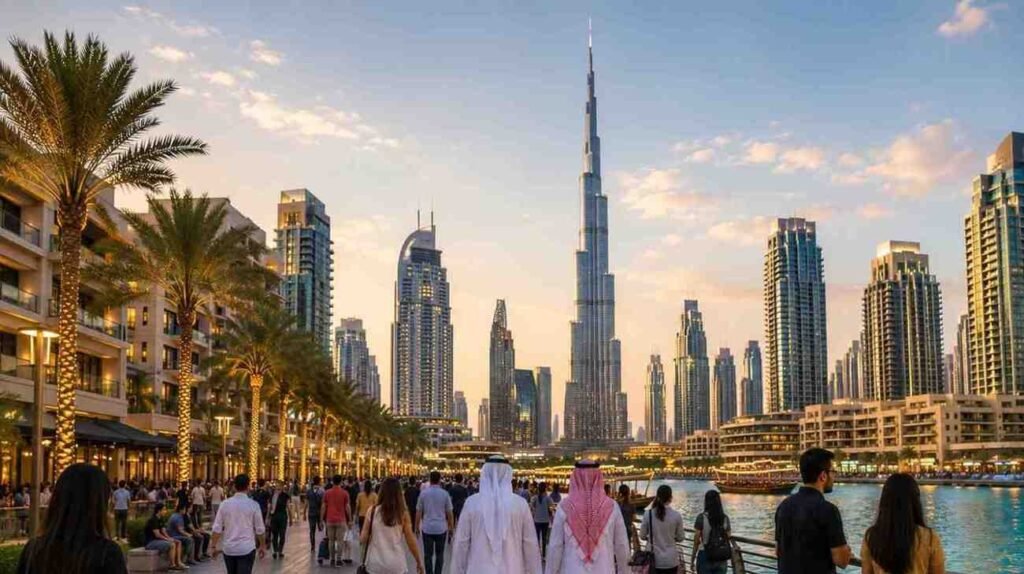
Dubai’s population reached 4.58 million by the end of 2025. That’s about 332,000 more people than 2024. The growth rate was 7.5 percent. To put that in perspective, you’d have to go back to the 1980s to find anything close to this. Back then it was 8.2 percent.
Most people see a number like that and think, okay, more people moved to Dubai. But it’s worth understanding what’s actually driving this and what happens when a city absorbs that many new residents in 12 months.
Why Are So Many People Suddenly Moving Here
The visa situation changed. That’s probably the biggest thing. The Golden Visa lets you stay for ten years if you’ve got the right credentials. Entrepreneurs, investors, skilled workers. The Green Visa opened it up further for remote workers and freelancers. Before these programs, you basically needed an employer to sponsor you. Now you’ve got actual options. If you’ve spoken to people who moved here over the past few years, you’ll notice that many of them point to the recent UAE Golden Visa changes as one of the reasons they finally decided to relocate.
Money matters too. No income tax. That’s huge for people earning decent salaries. A software engineer or consultant making 200k a year saves a lot by being here instead of somewhere with 30 or 40 percent tax rates.
Why Dubai Became More Attractive to Expats
The economy recovered faster than expected after 2020. Construction picked up. Hotels filled. Restaurants and retail expanded. When there are jobs, people come. It’s not mysterious.
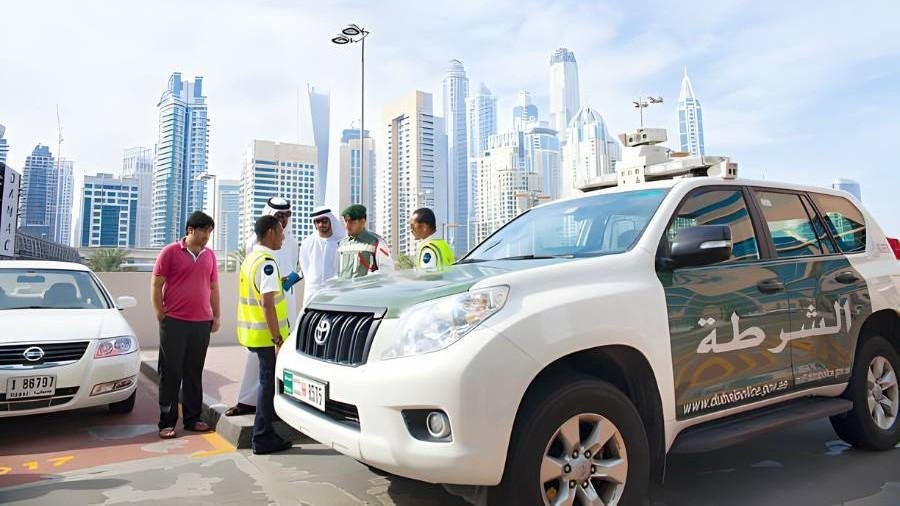
Safety and infrastructure help. The city works. Roads are decent. Police presence is visible. You’re not dealing with the chaos you might face in other rapidly growing cities. That appeals to families and professionals.
The Daytime Population Thing That Changes Everything
Here’s where it gets interesting. That 4.58 million is just people who actually live there. But during the day, Dubai’s population is way higher. Around 6.392 million on average during peak hours.
Where does the extra 1.8 million come from? Workers commuting from Sharjah and Ajman. Tourists. Business visitors. Students. People shopping. They’re all there during the day but they go home somewhere else.
Why Dubai’s Daytime Population Matters
This matters because it changes how you think about the economy. Your restaurant isn’t just serving residents. Your shop isn’t just selling to people who live in Dubai. You’re serving this floating population that’s constantly changing.
A taxi driver might take someone from the airport to a hotel, then a tourist to the mall, then a worker back to Sharjah. That’s three different customer segments in one day. The city’s economy runs on that constant flow.
What Happened to Housing Prices and Rentals
More people need apartments. That’s straightforward. Landlords raised rents. Developers sold off-plan units faster. Prices climbed.
Off-plan became popular because you don’t need all the money upfront. You pay in installments while they’re still building. For someone moving to Dubai and not sure if they’ll stay long-term, that’s appealing.
Sharjah started looking more attractive to people priced out of Dubai. Commuting from there became normal. You could rent something cheaper and just deal with the drive. For families, that math sometimes worked better than cramming into a small Dubai apartment.
The rental market got tight. Good apartments got snatched up quickly. Landlords could be picky about tenants. If you wanted something specific, you had to move fast. We’ve seen the same pattern across the wider Dubai rental market, where demand has consistently outpaced supply in many popular communities.
Property investors kept buying. They figured the growth would continue and rents would keep rising. Some made money. Others overpaid and got stuck with lower returns than expected.
Roads, Traffic, and Getting Around
Adding 332,000 people in a year means more cars. More people needing to get places. The roads got worse during rush hours. That’s just what happens.
The government knew this was coming. They expanded the metro. Added new stations. It helps but it’s not magic. You still get stuck in traffic. A lot of these upgrades are tied to the broader Dubai 2040 Urban Master Plan, which was designed with long term population growth in mind.
E-bikes started showing up for deliveries. The RTA approved them in eleven zones. It’s a small thing but it reduces some vehicle traffic. Companies like Zomato and other delivery services use them. Fewer cars on the road, fewer emissions.
Public transport became more important. More buses. More metro cars. Still not enough during peak times but better than nothing.
Smart traffic lights got installed in some areas. They adjust timing based on flow. Again, not a total solution but it helps.
The reality is infrastructure always lags behind population growth. You can’t build fast enough. So you get congestion. It’s annoying but it’s normal in growing cities.
Jobs and Businesses Expanding
More residents means more demand. Restaurants opened. Gyms added locations. Hospitals and clinics expanded. Schools got busier. The construction industry kept hiring. Developers needed workers. Contractors needed crews. Wages went up because there was competition for labor.
Technology and Retail Growth
Tech companies saw opportunity. E-commerce platforms grew. Fintech startups launched. The government pushed digital services, which created IT jobs. Retail expanded. New malls. New stores. More people to sell to.
Hospitality Expansion and New Business Opportunities
Hospitality kept growing. Hotels needed staff. Tour companies hired guides. Restaurants needed cooks and servers. For someone starting a business, there was demand. But competition increased too. You couldn’t just open a shop and expect success. You had to understand what people actually wanted and serve it better than the next guy.
The People Who Moved Here
They came from everywhere. South Asia. Philippines. Egypt. Pakistan. Europe. Other Middle Eastern countries. Some were Emiratis from other emirates who relocated to Dubai.
Why People Decided to Relocate
Most came for work. Some came as investors. Some came because their company transferred them. Some came because they heard Dubai was the place to be.
How Population Diversity Changed the City
The mix of nationalities created a diverse workforce. That’s good for business. You get different perspectives. Different skills. Different networks.
But it also meant schools got crowded. Healthcare facilities got busier. Services had to adapt to serve more people.
What Actually Matters About This Growth
The population number itself isn’t that interesting. What matters is what it means for you depending on what you do.
What It Means for Landlords, Workers, and Investors
If you’re a landlord, it means demand for housing. If you’re a business owner, it means more customers. If you’re a worker, it means more competition for jobs but also more opportunities. If you’re an investor, it means property values probably keep going up but you need to pick the right areas.
Pressure on Infrastructure and Public Services
The growth puts pressure on infrastructure. Water, electricity, roads. The government has to keep upgrading. Sometimes they’re ahead of the curve. Sometimes they’re behind.
Real Estate and Employment Trends
The real estate market stays hot because people keep coming. Prices don’t crash because demand keeps growing.
The job market stays relatively strong because businesses keep expanding to serve more people.
What Happens Next
The growth probably continues. Dubai’s still attractive. More visas will be issued. More people will move. The population could hit five million in a few years. Maybe longer. Depends on the economy and visa policies.
More construction will happen. More infrastructure projects. More traffic. More crowding in popular areas. Property prices might stabilize or keep climbing. Rents might go up or plateau. Nobody knows for sure.
Businesses will keep adapting. Some will do well. Others will struggle. The ones that understand what people want will succeed. The government will keep upgrading infrastructure. They’re aware of the growth. They’re planning ahead. But they’re always playing catch-up because growth is faster than construction.
Frequently Asked Questions
What’s Dubai’s population right now?
4.58 million as of end of 2025. That’s up from about 4.25 million the previous year.
Why did so many people move to Dubai in 2025?
The visa programs made it easier to stay long-term. Jobs were available. Tax-free income. Stable economy. Safe city. All of those combined.
How many people are actually in Dubai during the day?
Around 6.4 million during peak hours. That includes residents plus commuters, tourists, and visitors.
Is it still worth buying property in Dubai?
Depends on your strategy and timeline. Demand is strong. Prices are high. Rentals still work for some investors. But you need to know what you’re doing.
How is Dubai handling all these new people?
Building more infrastructure. Expanding metro. Adding roads. Installing smart traffic systems. It’s ongoing. They’re always behind the curve.
Where are most of the new residents coming from?
Mostly from South Asia, Philippines, Middle East, and Europe. Some from other emirates relocating to Dubai.
Is the growth going to continue?
Probably. Dubai’s still attractive. The government keeps promoting business and tourism. More people will likely move here.
What areas are getting the most growth?
Downtown, Marina, Business Bay, and newer developments. Sharjah’s also growing because it’s cheaper and close to Dubai.