Dubai 2040 Urban Master Plan: What's Changing, What It Means, and Why You Should Care
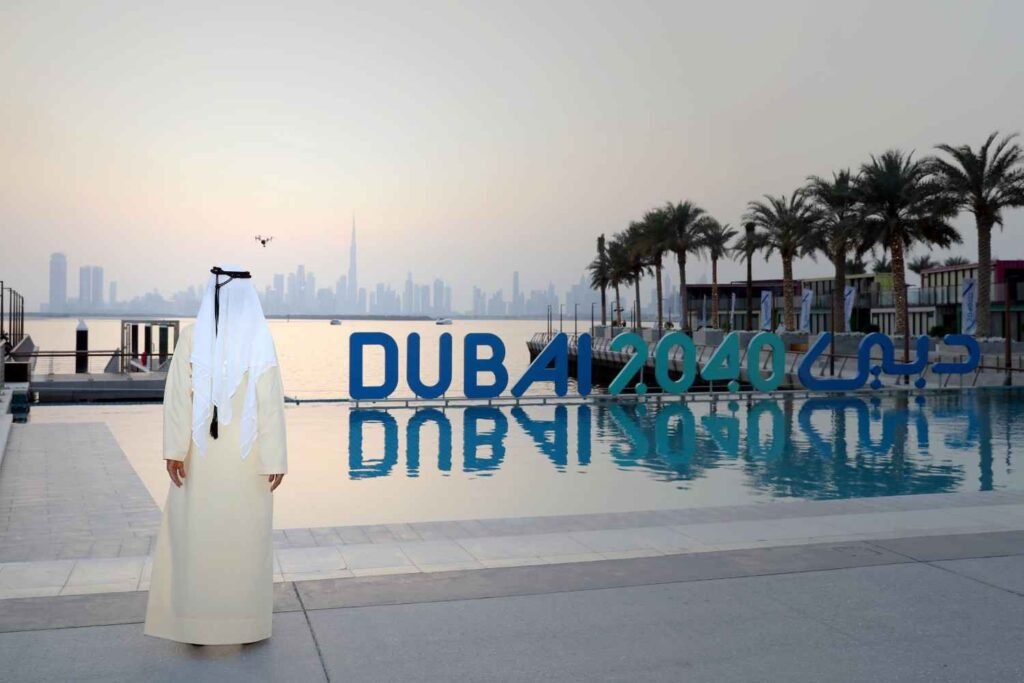
Dubai's 2040 Urban Master Plan aims to create a greener, smarter, and more connected city through five urban centers, expanded public transport, walkable communities, and improved public spaces. Here's what the plan changes, why it matters, and what it means for residents, buyers, and investors.
Dubai doesn’t do things quietly. The 2040 Urban Master Plan? Same energy.
Launched in March 2021, it’s the city’s most detailed roadmap yet for how life here should feel over the next two decades. Not just the skyline. The commute, the parks, the neighborhoods, the beaches. All of it’s up for a rethink.
What Is the Dubai 2040 Urban Master Plan?
Short version: a 20-year playbook to make Dubai easier to live in, not just larger.
It’s the seventh big plan since the 1960s. Back then, Dubai had around 40,000 people. By 2020, we hit 3.3 million, and the built-up area exploded 170 times over. Now the city’s eyeing roughly 5.8 million by 2040, and the real question is this: how do you keep that pace without burning out the folks already here?
That’s what this plan tries to tackle.
Five Urban Centers Will Shape Where Growth Happens
This isn’t just “build more towers.” The city picked five urban centers where life, jobs, and growth will cluster. Three are already buzzing. Two are being elevated.
Spread the growth, spread the pressure. Instead of shoving everyone onto the same Sheikh Zayed bottlenecks, each hub gets its own purpose and vibe. That’s something Dubai struggled with when it kept racing outward in every direction at once.
Green Space Is Actually Doubling
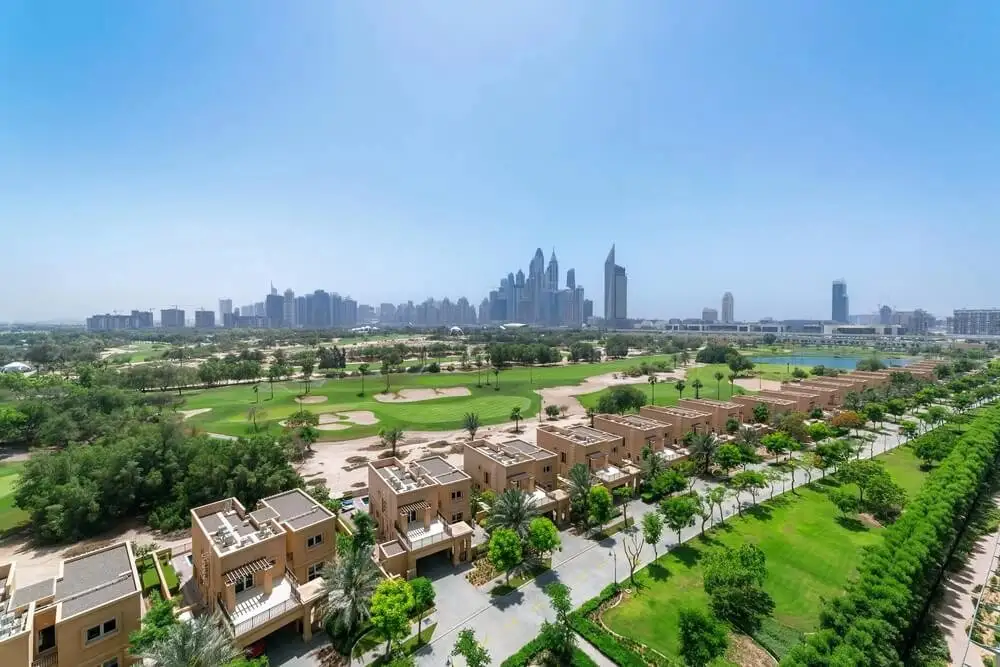
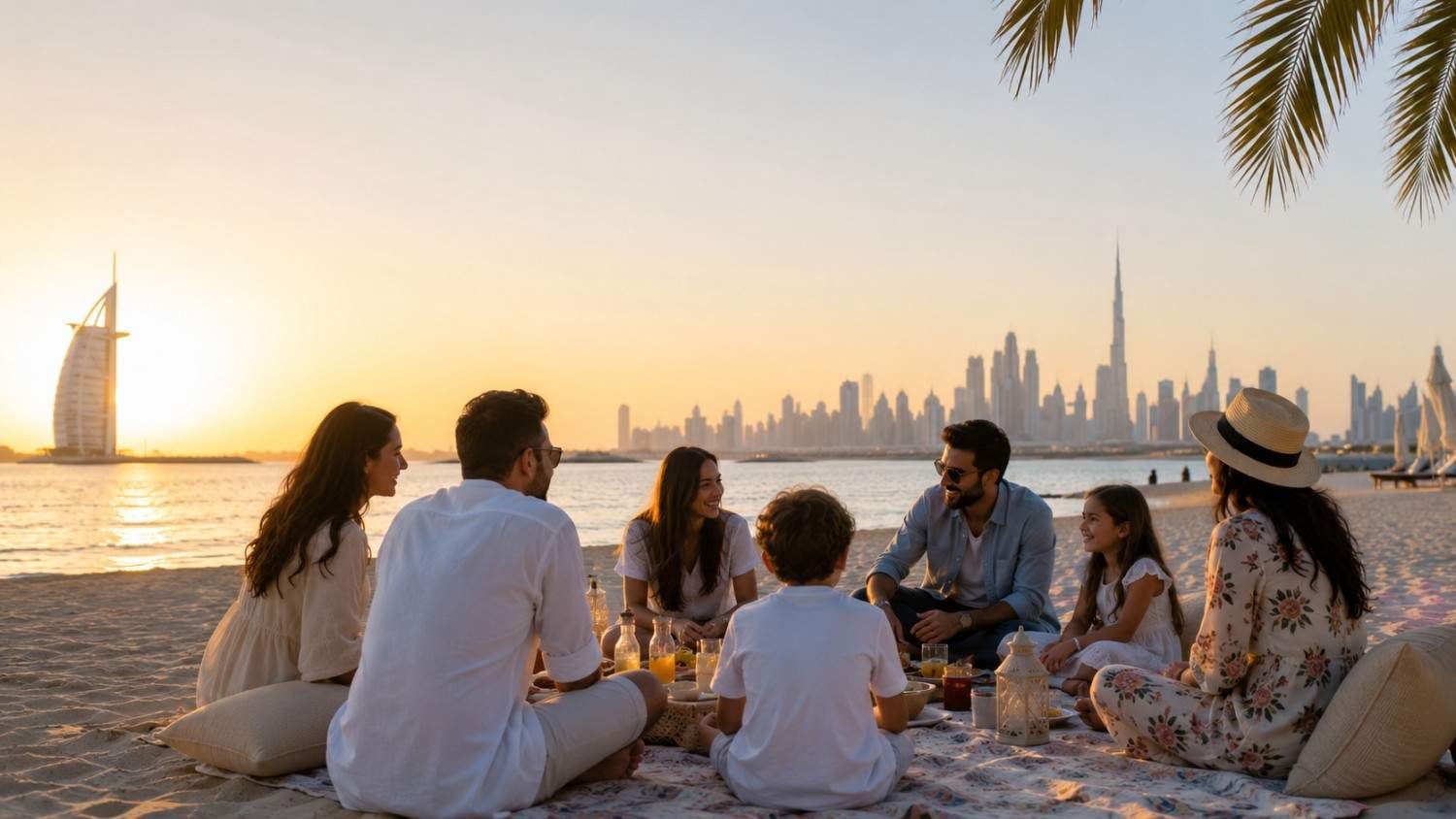
By 2040, Dubai’s green and recreational areas are set to double. Nature reserves and rural land will cover 60 percent of the emirate, and public beach access jumps by 400 percent. Yes, four times more space to swim, walk, and hunt for karak after sunset.
Green corridors will link homes to workplaces and services so walking and cycling aren’t just PR lines. For a place that’s been car-first since forever, that’s a real swerve. I’m already picturing more Barsha Pond Park evenings and fewer parking-lot hunts at Kite Beach.
The Car Dependency Problem Is Being Taken Seriously
Right now, about 61 percent of people here drive as their main mode. Only around 14 percent use public transport. This plan takes direct aim at flipping that over time.
Targets say more than half of us should live within 800 meters of a major transit stop. Metro, tram, and bus networks get wider footprints. Bigger picture, 80 percent of residents should be able to reach daily needs within 20 minutes by public or non-motorized transport.
That’s a big shift for a city built around highways. But the Metro Blue Line is already moving, and the Jebel Ali public beach project is in motion too. This isn’t just a glossy PDF anymore.
Housing and Communities Are Being Rethought
This plan pushes for neighborhoods where your daily stuff is actually nearby. Schools, clinics, parks, shops, and work in reach, so you’re not crossing town for groceries or school runs. I remember when a “quick errand” meant 30 minutes on Al Khail. No thanks.
There’s also a nudge toward housing that fits different budgets, not just the premium towers. Cultural and creative districts are part of that mix, to pull in people in arts, media, and tech, not only finance and real estate.
What This Means If You’re Buying Property or Investing
Watch the five urban centers and anything along the new Metro lines. That’s where long-term demand tends to stack up. Mixed-use spots that blend homes, offices, and retail in walkable areas usually hold value better as the city leans harder into livability.
Expo City Dubai and Dubai Silicon Oasis are the two newly designated centers, and both are already getting love from developers. If you’re buying for where Dubai’s going, not where it was, keep those pinned on your map.
The Bigger Picture
In about 60 years, Dubai went from port town to global magnet. That speed came with side effects. Traffic, sprawl, pricey housing, thin green space. The 2040 plan tries to fix what rapid growth got wrong while keeping the momentum.
Will it all click? Execution decides. But the targets are clear, the money’s on the table, and the direction’s obvious. If you live here or plan to, it pays to actually read this plan and not just skim the headlines.
Sheraz is a business focused professional who closely follows market trends, emerging technologies, growth opportunities, and modern lifestyle trends. He writes about business, technology, travel, food, wellness, and everyday lifestyle topics, helping readers make informed decisions through practical insights. His expertise lies in helping businesses understand changing consumer behavior, digital transformation, AI adoption, branding, and scalable marketing strategies. He believes every business decision should be backed by data, market demand, and long term sustainability.