AEC and Kellton Team Up to Push AI Digital Transformation Across the GCC Energy Sector
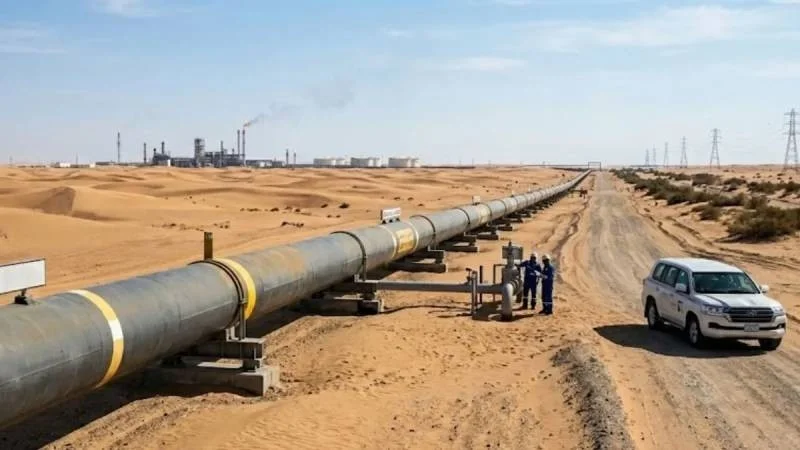
Action Energy Company and Kellton have formed a joint venture to deliver AI-powered digital oilfield solutions across the GCC. Combining local expertise with AI-driven platforms, the partnership aims to modernize energy operations, improve efficiency, and support growing demand for digital transformation in Kuwait and the wider Gulf.
Kuwait just got another serious player in the oilfield digitalisation game. Action Energy Company (AEC), the local upstream services partner, has signed a joint venture with Kellton, an AI-focused digital transformation firm with a global footprint. The goal? Bring AI-driven tools to oil and gas operators across the Gulf.
And the timing makes sense. GCC national oil companies have been talking about digitalisation for years, but a lot of the actual field-level modernisation is still catching up. This deal is aimed squarely at that gap.
What the AEC-Kellton Joint Venture Actually Does
The JV is built to deliver digital oilfield solutions and IT services to energy operators in the region. AEC owns 51 per cent, Kellton holds 49 per cent, and the initial term is five years with automatic renewal. Standard structure, but the mandate is broader than most local partnerships.
The scope covers enterprise software, cloud, cybersecurity, systems integration and managed services. Basically the full stack an operator would need to modernise a field. Not just consulting slides.
The centrepiece is Kellton’s OPTIMA digital oilfield platform. Think real-time asset performance monitoring, AI-driven decision support, and the kind of predictive analytics that actually change how an engineer runs a well pad. That’s the piece the JV wants to push across the region first.
Why This Matters for GCC Operators
Here’s the problem this JV is trying to solve. Oil and gas companies in the Gulf sit on some of the lowest-cost barrels in the world, but their operating models still lean heavily on manual reporting, siloed data, and reactive maintenance. That worked fine when Brent was above $100 and margins forgave inefficiency. It doesn’t work as well now.
Ivan Chikunov, AEC’s General Manager of Services and BD, put a number on the opportunity. He said the addressable market for oil and gas digitalisation across the GCC is more than $1 billion annually, and AEC wants to grab at least 5 per cent of it over time. That’s a real target, not a marketing line.
So what does an operator actually get? Better uptime. Faster decisions at the wellhead. Fewer people driving out to remote assets just to read a gauge. And when you scale that across a mature field with hundreds of wells, the numbers add up quickly.
Kuwait First, Then Doha, Then the Rest of the Gulf
The rollout plan is regional but staged. Kuwait comes first because that’s AEC’s home turf and where the operational relationships are strongest. The first regional office opens in Doha. After that, the JV is targeting Saudi Arabia, the UAE and Oman.
That order tells you something. Qatar’s investment in North Field expansion has created a huge appetite for digital operations tooling. Saudi Aramco has been aggressive on AI in upstream. ADNOC has its Panorama Digital Command Centre and keeps expanding it. Oman is smaller but Petroleum Development Oman has been running its own digital agenda for a while.
In other words, the JV is walking into markets where the demand signal is already there. The question is execution, not whether anyone wants to buy.
The Local Content Angle Nobody Should Ignore
This part gets glossed over in most coverage, and it shouldn’t. Every GCC country now has some form of local content or in-country value requirement. Saudi Arabia has IKTVA. The UAE has ICV. Oman has its own version. Kuwait, Qatar and Bahrain all push local participation in different ways.
A JV with a majority local partner is not just a corporate structure. It’s a commercial advantage when bidding for NOC contracts. AEC brings the relationships, the local footprint, and the knowledge-transfer commitments. Kellton brings the technology stack and the AI muscle. On paper, that’s a pretty clean fit for the way tenders actually get evaluated in this region.
Krishna Chintam, Managing Director at Kellton, framed it as pairing local market strength with global technology expertise. Fair enough. But the more honest reading is that neither partner could realistically win at scale without the other.
What OPTIMA Brings to the Table
OPTIMA is the technical product at the heart of this deal, so it’s worth breaking down what it actually does. It’s a digital oilfield platform that pulls data from field sensors, SCADA systems and production databases, and applies AI models to help operators make faster and better calls on things like well optimisation, artificial lift performance and maintenance scheduling.
Nothing about that is unique on its own. Halliburton, SLB and Baker Hughes all have their own versions. What matters is the price point, the deployment speed, and how well it integrates with legacy systems that GCC operators have been running for decades. That’s usually where these projects live or die.
Quick Comparison: What the JV Brings vs What Operators Have Today
Area
Typical Current State
What the JV Offers
Field data
Siloed, delayed reporting
Real-time integrated view
Maintenance
Reactive or scheduled
Predictive, AI-driven
Decision support
Manual analysis
AI-assisted recommendations
Local partnership
Foreign vendor lead
Majority local ownership
Deployment
Long, custom builds
Platform-based, faster rollout
The Bigger Picture for AI in Gulf Energy
Zoom out for a second. The GCC is quietly turning into one of the most interesting markets globally for enterprise AI adoption. Saudi’s PIF is pouring money into AI infrastructure. The UAE has G42 and a national AI strategy. Qatar is investing heavily in data centres. And every major NOC has some flavour of digital transformation office.
Energy is the natural first customer for a lot of this. It’s data-rich, capital-intensive, and the returns on even small efficiency gains are enormous. A one per cent improvement in recovery on a mature field can be worth hundreds of millions.
That’s why deals like the AEC-Kellton JV keep happening. And you’ll see more of them. The operators know they need to move faster on digital, the local partners know they need real technology to stay relevant, and the global firms know they can’t sell into these markets without a serious local counterpart.
What to Watch Next
A few things will tell you whether this JV actually delivers or just fades into the pile of announcements. First, watch for the Doha office opening and who they hire. Second, watch for named client wins in the first 12 to 18 months. Third, see if OPTIMA gets deployed on any of the bigger Kuwaiti fields, because a home-market reference is what unlocks the rest of the Gulf.
If those pieces fall into place, this becomes a template other regional service companies will copy. If they don’t, it becomes another cautionary tale about how hard it is to turn a good MOU into real revenue.
Either way, the direction of travel is clear. AI is moving into upstream operations across the Gulf, and it’s moving through joint ventures like this one.
FAQ
What is the AEC-Kellton joint venture?
It’s a new company set up between Kuwait’s Action Energy Company and global digital transformation firm Kellton to sell AI-driven oilfield services across the GCC. AEC owns 51 per cent and Kellton owns 49 per cent, with an initial five-year term.
How big is the digital oilfield market in the GCC?
AEC estimates the addressable market for oil and gas digitalisation across the GCC exceeds $1 billion per year. The JV is targeting at least 5 per cent of that over time.
What is Kellton’s OPTIMA platform?
OPTIMA is a digital oilfield platform that uses AI to improve asset performance, operational efficiency and decision-making. It pulls real-time field data and applies analytics to help operators run wells and facilities more efficiently.
Which countries will the JV operate in?
It starts in Kuwait, then opens its first regional office in Doha. After that, it plans to expand into Saudi Arabia, the UAE and Oman.
Why does AI digital transformation matter for the GCC energy sector?
Gulf operators are under pressure to cut costs, improve recovery from mature fields, and meet local content requirements. AI-based platforms help them do more with existing infrastructure without adding headcount or long project timelines.
How does this compare to services from SLB or Halliburton?
The big oilfield service firms have their own digital platforms, and they’re well entrenched. The AEC-Kellton JV competes on local ownership, faster deployment, and pricing, which tends to matter a lot in tenders where in-country value scoring is heavy.
With more than 15 years of experience in digital marketing, Abdul Raheem has helped businesses across different industries grow their online presence, increase visibility, and achieve measurable business goals. Abdul has been actively focused on evolving search technologies including GEO (Generative Engine Optimization), AEO (Answer Engine Optimization), AIO (AI Optimization), and AI driven search experiences.