Agentic AI and Construction Jobs in the UAE: What's Really Happening
Agentic AI is changing construction jobs across the UAE by automating repetitive tasks, improving planning, reducing delays, and strengthening safety oversight. Companies that combine AI tools with human expertise, continuous training, and clear accountability will be in the strongest position to succeed.
The UAE government said they’re putting half their operations on agentic AI in the next two years. That’s a big deal. Most people hear “AI” and think robots taking over. That’s not what this is. These systems are different from the software you’ve probably used before. They can look at what needs doing and figure out the steps to get there without someone telling them every single thing. In construction, that could mean catching problems before they blow up into delays and budget disasters.
But here’s the thing nobody talks about enough: the technology isn’t what makes or breaks this. It’s the people using it. Companies need to rethink what their teams actually do. They need to figure out which parts of the job can be handed to machines and which parts absolutely need a human brain.
What Agentic AI Actually Is
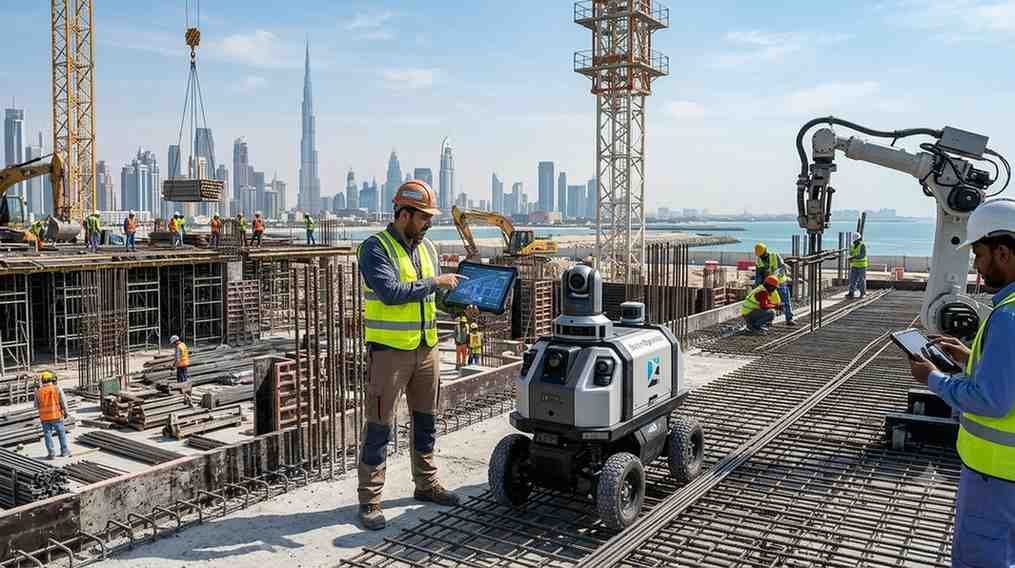
Agentic systems work differently than regular software. They don’t just sit there waiting for you to ask them something. They take on a job and work toward it. On a construction site, that means the system is constantly watching schedules, spotting when things might slip, tracking materials, and adjusting who does what based on what’s happening in real time.
Construction Pressure in the UAE
Construction in the UAE right now is dealing with some real pressure. Costs keep going up and that’s squeezing margins for developers and contractors. When you have a system that can spot problems early and suggest what to do about them without waiting for someone to notice, that’s actually valuable. It’s not replacing anyone. It’s just handling information faster.
How Jobs Actually Change
The biggest misconception is that AI means people lose their jobs. That’s not what happens. What changes is what people spend their time on. The boring stuff like updating spreadsheets, pulling data, writing reports, and checking off boxes gets handled by the system. The work that actually requires thinking, like figuring out if a recommendation makes sense, dealing with suppliers and clients, and solving problems nobody expected, that becomes more important.
Why Human Skills Matter More Than Ever
The World Economic Forum did research on this. They looked at what employers actually want from workers. Turns out it’s people who can think through problems, handle pressure, lead others, and work with different types of people. Those skills are getting more valuable, not less. Construction needs people who get both the building side and the tech side. Most companies don’t have enough of those people right now.
Why You Can’t Just Let AI Make Decisions
Here’s where it gets serious. Construction decisions matter. They affect whether buildings are safe, whether projects stay on schedule and budget, and sometimes whether people get hurt. When the system flags something, someone needs to understand what it means and decide what to do. A recommendation about ordering materials has to be checked against actual relationships with suppliers, what the contracts say, and what else is happening on the project.
Why Human Oversight Still Matters
Safety systems with AI in them can’t replace the person responsible. They have to make that person better at their job. Workers need to feel okay questioning what the system says. If everyone just does whatever the AI recommends without thinking, that’s when things go wrong. The companies that do this well have teams that can manage the AI, not just follow what it says.
Getting Ready for This Shift
It’s not something one department handles. Engineers, planners, safety people, legal, HR, everyone needs to be in the conversation. They figure out what the technology can do, what it should do, and where humans stay in control.
Training is different too. You can’t just send people to a course and expect them to figure it out. They need to learn with the actual tools, on actual projects, with the people they work with every day. That’s how they actually get comfortable with it. Companies like Innovo Group treat this as one big thing, not separate initiatives. They’re not just adding tools. They’re building skills so the tools actually make projects better.
The construction companies that win aren’t the ones with the most AI running. They’re the ones that figure out exactly how machines and people work together. They change how jobs are structured around that. They put real money into their teams early on.
Construction is still a people business. It needs people who know their stuff, people who’ve been on actual sites and know what can go wrong, and people who can handle complicated situations. AI doesn’t change that. It makes it more important. The firms that build strong teams that can oversee and improve how AI works will have the advantage.
Questions People Ask About This
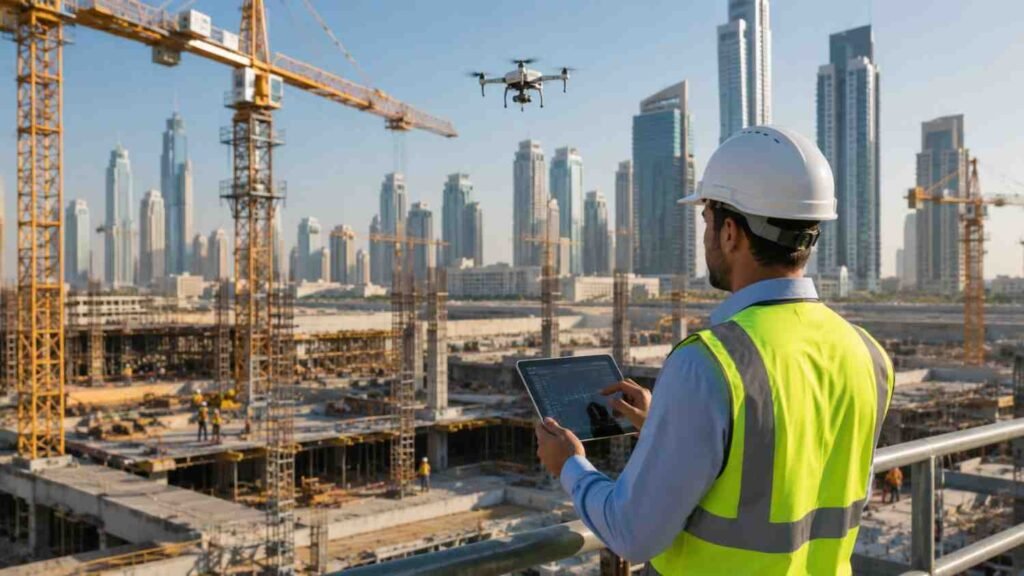
What does agentic AI actually do on a site? It monitors schedules continuously, catches potential delays before they happen, tracks materials and equipment, watches for safety issues, and suggests how to use people and resources better. It’s working all the time without someone having to ask it to check things.
Are construction jobs disappearing? The work is changing, not disappearing. Repetitive tasks get automated. That opens up space for work that needs judgment and dealing with people. Those jobs are harder to automate.
How do companies train people for this? The best way is learning while doing. People work with the actual tools on real projects with their team. That builds real skill and confidence, not just theory.
Why can’t AI just handle everything? Because construction involves safety, complex relationships with suppliers and clients, and regulations. Someone has to understand the full picture and make the call. AI gives you information and ideas. People provide the judgment.
What skills actually matter now? Being able to solve problems, work with other people, understand both the technical and human parts of the work, and stay steady when things don’t go as planned. These are the skills that matter more than ever.
With more than 15 years of experience in digital marketing, Abdul Raheem has helped businesses across different industries grow their online presence, increase visibility, and achieve measurable business goals. Abdul has been actively focused on evolving search technologies including GEO (Generative Engine Optimization), AEO (Answer Engine Optimization), AIO (AI Optimization), and AI driven search experiences.