How Rising Construction Costs Are Reshaping UAE Real Estate Margins
Rising construction costs are squeezing developer profits across the UAE, prompting a shift toward luxury projects and more selective investments. Understanding these market changes can help investors identify stronger opportunities, assess development risks, and make better decisions in an increasingly competitive real estate landscape.
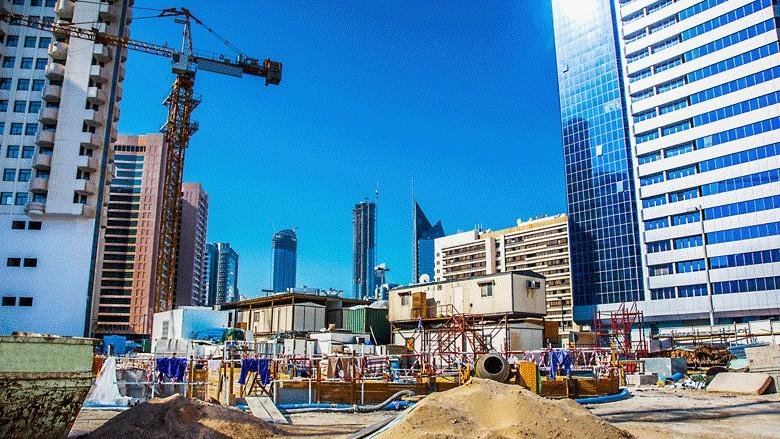
Anyone working in real estate here in the UAE knows the situation has gotten pretty rough lately. Building costs have shot up dramatically. I’m talking about the kind of increases that make you do a double take when you see the quotes coming back from your contractors.
The frustrating part? Your revenue might be going up, but your actual profit is getting squeezed. A lot of developers are dealing with this right now and honestly, it’s changing how they approach their entire business across the broader UAE property market.
Let me walk through what’s happening, why it matters, and what smart investors are doing about it.
The Actual Numbers on Construction Costs
Look, the data is pretty straightforward. Dubai’s construction cost index went up 5.2% year over year in the first quarter of 2026. That’s not tiny. Raw materials for residential projects jumped over 8%, and non-residential stuff climbed almost 9%.
But here’s the thing that really stings. Some specific items are going absolutely nuts. Block works? Up almost 25%. That’s insane for something that should be pretty stable. Air conditioning and mechanical systems are even worse – they’re running 40% higher than they were back in 2021.
Abu Dhabi’s seeing the same thing. Electrical materials up 14% year over year. Finishing materials jumped 11% in a single quarter. This isn’t just one emirate or one type of project. It’s everywhere.
Why? Global commodity prices. Copper’s up over 12%, oil’s up more than 13%. When you need steel, aluminum, and copper for construction, and those materials are energy-intensive to produce and ship globally, you’re basically at the mercy of what’s happening with oil prices. Data centers and hotels get hit hardest because they depend so heavily on imported materials.
The Contractor Problem is Real
Here’s something that’s been driving developers crazy. Finding contractors has become genuinely difficult. This goes back to COVID. When the pandemic hit, a bunch of major contractors just left the UAE. They packed up and went somewhere else. Most of them never came back.
So now you’ve got this tiny pool of contractors who actually stuck around. And you know what? They know they’re in demand. They can basically charge whatever they want. Big developers with long relationships? They usually find what they need. But smaller developers? They’re competing for scraps. It’s brutal.
Labor costs are climbing too. Abu Dhabi’s seen manpower costs go up in nine of the last eleven quarters. That’s pretty consistent pressure. Contractors are just passing those wage increases straight to developers. There’s not much room to negotiate.
The real problem isn’t just scarcity though. It’s leverage. When you’ve got dozens of developers chasing a handful of contractors, the contractors win every single negotiation. They set the terms, they set the timeline, they set the price. Developers either accept it or wait around hoping someone else becomes available.
What this is Doing to Profit Margins
I want to show you something real here. Alec Holdings is a major construction firm backed by Dubai’s sovereign wealth fund. In the first quarter of 2026, their revenue jumped 87% year over year. That sounds amazing, right? Except when you look at the actual margins, it’s a different story. Their gross margin in their core building division stayed flat at 6.8%. Their energy division? Margins dropped from 8.7% down to 2.9%.
This tells you everything. More revenue doesn’t mean more profit. Developers are doing more work, completing more projects, but they’re making less money on each one. The margin squeeze is real and it’s getting worse.
Add rising land prices to rising construction costs and the math just doesn’t work for standard residential development anymore. Land in Dubai is up 21% over the past year. If you’re building typical apartments or townhouses, your costs keep climbing while your selling prices can’t keep up. You end up losing money.
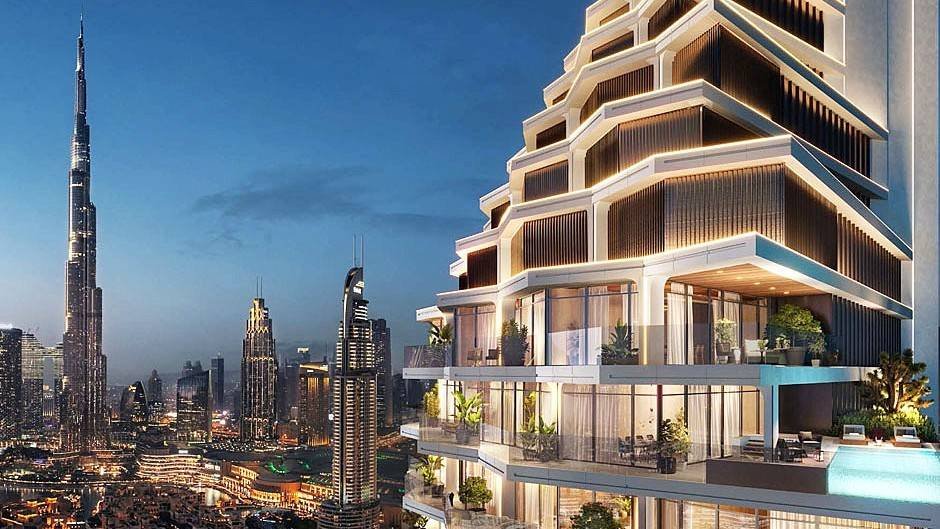
So what are developers actually doing? They’re shifting what they build. Instead of churning out mass market residential, they’re moving toward luxury properties. High-end real estate works differently. Buyers of luxury apartments don’t care as much about a 5 or 10% price increase. They’re not going to walk away over that. That gives developers room to pass through their cost increases without losing sales. The margins on luxury projects are thick enough to handle these higher expenses.
What’s Actually Changing in the Market
This is a fundamental shift in how developers are thinking about their business. Even with ambitious initiatives like the Dubai 2040 urban master plan driving long term urban expansion, developers are becoming far more selective about where and how they invest.
The developers winning right now are either ones with access to cheap capital or ones focused on the high-end market. They can afford to be patient. They can absorb cost increases. They’re not desperate to build everything that comes along.
Smaller developers are getting squeezed out. They don’t have the financial cushion to absorb margin compression. They can’t compete with bigger firms for contractor availability. Getting financing is harder because lenders are more cautious. Some are basically getting pushed out of the market.
This creates real opportunities for investors with capital and patience. Areas with strong long term growth potential, including emerging investment hubs highlighted in this Dubai South property investment guide, may offer better value as developers focus on higher margin projects. Land prices are climbing. Construction costs are climbing. But the supply of new projects is tightening because margins are getting too thin. That means existing inventory and completed projects are becoming more valuable.
The Future Belongs to Developers Who Adapt
If you’re building right now in the UAE, you’re facing real headwinds. Your costs are higher. Finding contractors is harder. Your margins are tighter. The developers who are winning are the ones who’ve adapted. They’re being selective about projects. They’re focusing on segments where they can maintain acceptable returns.
If you’re investing in UAE real estate, pay attention to what’s being built. As some buyers begin exploring opportunities beyond Dubai, projects such as Sea Kalba real estate homes show how emerging coastal developments are attracting investors looking for long term growth.
The current environment is uncomfortable for many developers, but it’s creating clear winners and losers. These market shifts are also reshaping the reality of Dubai’s real estate industry, where professionals are adapting to changing buyer demand and tighter project economics.
FAQ
Why have construction costs jumped so much in the UAE? Multiple things are pushing costs up at the same time. Material prices are climbing because of global oil prices. Copper, steel, and aluminum all cost more to produce and transport. Labor is more expensive. Contractors are scarce and have pricing power. When all these pressures hit at once, you get the kind of cost inflation we’re seeing.
What building components are getting hit the hardest? Mechanical systems, especially air conditioning, are experiencing the biggest cost increases. They’re running 40% higher than 2021 levels. Block works jumped almost 25%. Electrical and finishing materials are also seeing double-digit increases. Basically anything that requires imported materials or specialized labor is getting expensive.
Are smaller developers at a disadvantage right now? Yeah, they are. Larger developers have relationships with contractors and more financial resources. They can absorb cost increases better. Smaller developers are competing for limited contractor availability and don’t have the same negotiating power. Many are finding it difficult to make projects work financially.
How are developers protecting their profit margins? They’re shifting toward luxury real estate. High-end properties command premium prices that can absorb cost increases. Developers are also being more selective about which projects they pursue. They’re passing up opportunities that don’t have strong enough margins to weather the current cost environment.
Will construction costs keep climbing? Industry projections suggest costs will rise another 4.5% in 2026. It depends on global commodity prices and labor market conditions, both of which are uncertain. But there’s no sign of relief coming soon.
What does this mean for real estate investors? It means the market is shifting. Standard residential development is becoming less attractive. Luxury real estate is holding up better. Investors with capital should look at land acquisition while prices are still climbing but before further appreciation occurs. Existing completed projects are becoming more valuable as new supply tightens.
Why is the contractor shortage so severe? Many contractors left during the pandemic and never came back. The ones who stayed know they’re in demand. They have no incentive to compete on price or terms. It’s a structural shortage that won’t resolve quickly. New contractors entering the market takes time.
How does global oil price volatility affect local construction costs? Materials like copper, steel, and aluminum are energy-intensive to produce and are globally traded. When oil prices rise, production costs go up. Transportation costs increase. These costs get passed through to developers in the UAE. Projects that depend on imported materials are most exposed to this volatility.
What types of projects are most affected? Data centers and hotels are getting hit hardest because they rely heavily on imported materials and mechanical systems. Standard residential development is struggling with margin compression. Commercial projects are being scrutinized more carefully. Luxury residential is holding up better than other segments.
Is there opportunity in this environment? Yes, but it requires capital and patience. Land prices are climbing. Completed projects are becoming more valuable. Developers with access to cheap financing can acquire land now and develop it when market conditions improve. Investors focused on luxury real estate are finding better opportunities than those in mass market segments.
Disclaimer: The information in this article is provided for general informational purposes only and should not be considered financial, investment, or legal advice. Construction costs, property market conditions, and economic trends in the UAE can change over time. Always consult qualified professionals and conduct your own research before making real estate or investment decisions.
Sheraz is a business focused professional who closely follows market trends, emerging technologies, growth opportunities, and modern lifestyle trends. He writes about business, technology, travel, food, wellness, and everyday lifestyle topics, helping readers make informed decisions through practical insights. His expertise lies in helping businesses understand changing consumer behavior, digital transformation, AI adoption, branding, and scalable marketing strategies. He believes every business decision should be backed by data, market demand, and long term sustainability.