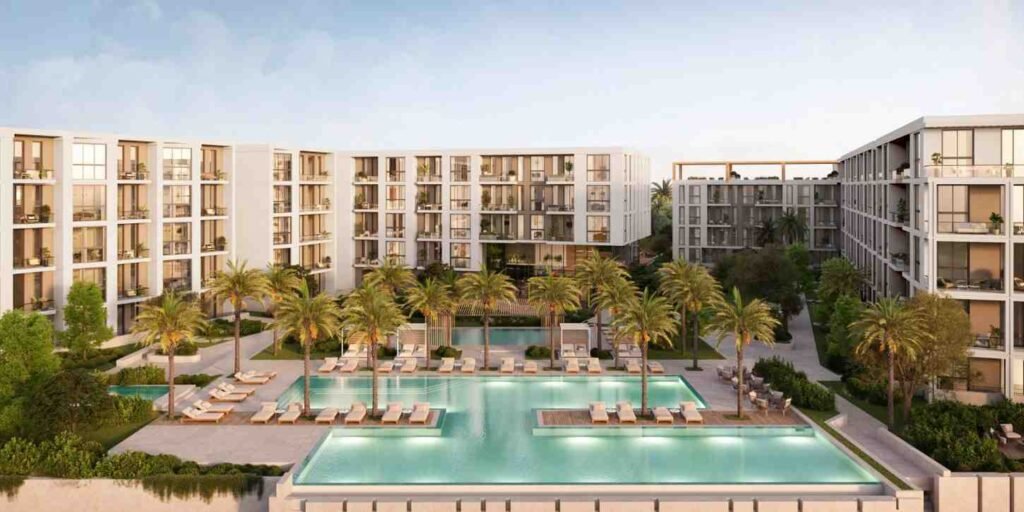
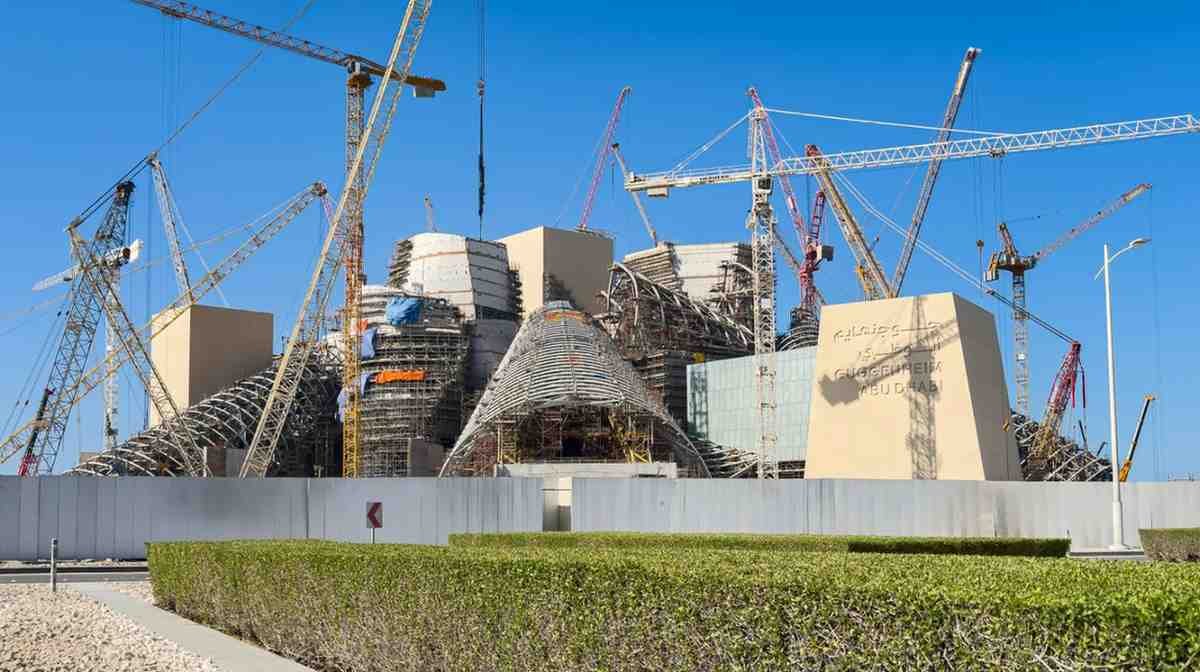
Off-plan property accounted for 71% of Dubai home sales in the first half of 2026. Total transactions reached 87,800, worth AED 291.7 billion, and most of that money went toward homes that hadn’t been built yet, let alone handed over.
Seven in ten buyers chose this route over a finished home. Here’s what actually matters before you sign anything: who off-plan fits, how the process runs, and what to check first.
What Off-plan Property Actually Means
An off-plan home is one bought before construction finishes, sometimes before it even starts, with payment split into stages tied to how far the building has progressed rather than paid in one go at the end. A ready property works the other way around: you walk through a finished unit, pay in full or through a mortgage, and move in within weeks.
With off-plan, the buyer is working from floor plans, renderings, and a developer’s track record on earlier projects, not from a finished product they can inspect. Handover windows stretch anywhere from 18 months to four years.
Price and payment flexibility explain most of the appeal, and both matter more now that prices are up 9% for H1 2026.
Who Off-plan Property is Actually For
This suits buyers who don’t need to move in right away and can handle payments stretched across a build period. It doesn’t suit much else.
Investors chasing capital appreciation buy in early at launch pricing and sell closer to completion, or resell before handover for a profit. Buyers without much cash upfront lean on payment plans, often 5% to 20% down at booking, to get into the market without arranging a full mortgage straight away. Others are planning a move a year or two out rather than immediately, including retirees working toward eligibility through the UAE retirement visa, and treat the build period as useful time rather than dead time.
Skip it if you need a home now. Skip it if a delay would actually hurt you. Skip it if you don’t want to dig into a developer’s history before signing anything.
How Buying Off-plan Property in Dubai Works
The process runs in stages, from reservation to title deed, and none of the stages skip ahead of each other.
It starts with picking a project and confirming the developer holds current RERA registration under the Dubai Land Department. A booking payment comes next, usually 5% to 20% of the price. Then comes the Sale and Purchase Agreement, which lays out the payment schedule, unit details, and expected handover date. After that, payments follow construction milestones, and that money sits in an escrow account controlled by the Dubai Land Department rather than going straight to the developer. Once the building is finished and registered, the buyer gets the title deed and the keys.
Escrow is the part that actually changed this market. A developer can’t draw on installment money until the matching construction stage is hit. Simple as that, and it’s a big reason off-plan buying carries less risk now than it did ten years back.
Why 71% of Buyers are Choosing Off-plan
Entry cost is lower, terms are flexible, and buying early tends to catch price growth before anyone else does. That covers most of it.
Off-plan units typically launch under the price of a comparable finished home nearby. Buyers lock that price in, then spread payment across construction instead of paying it all at once. Prices climbed 9% in H1 2026 alone, so buying at launch and holding until handover has produced real gains for plenty of investors, more than they’d have made buying something already finished.
Population growth adds to it. Dubai gained close to 121,000 residents in H1 2026, and demand has outrun supply as a result. Some of that growth traces back to wealthy buyers relocating for tax and lifestyle reasons (part of why millionaires keep choosing Dubai), though the demand isn’t limited to the luxury end. Add up the arrivals, the rising prices, and payment plans that skip full cash on day one, and off-plan stops looking like an alternative. It’s just how people buy here now.
What to Check Before you Buy Off-plan
Look at the developer’s delivery record first, then RERA registration, then the escrow setup, then how realistic the handover date really is. In that order, ideally.
Has this developer finished projects on schedule before, or is this the first one? A newer developer without a track record carries more risk than one with five years of handovers behind it. RERA registration numbers and escrow details should come straight from the Dubai Land Department, not a brochure. Read the payment schedule line by line; post-handover payment terms show up often now and change the real cost of the purchase.
Location matters just as much, maybe more, since there’s no finished unit to walk through. Check where a project sits within Dubai’s 2040 urban master plan instead of trusting the renderings. Treat the marketed handover date as an estimate. Most of the time, that’s exactly what it turns out to be.
Off-plan or Ready: Which One Fits your Situation
Off-plan wins if you want a lower entry price and can wait. Ready wins if you need to move in now or want certainty with no construction risk.
Investors and buyers with a longer timeline tend to land on off-plan. People relocating for work, needing to rent a place out right away, or unwilling to sit through construction delays usually go with something already built. There’s no single right answer, just a timeline and a risk tolerance that lines up with one option or the other. For the wider picture, it’s worth checking whether now is actually the right time to invest in the UAE property market.
What this Means for the Market Going Forward
Over 31,000 residential units are due for delivery in Dubai by 2030. The pipeline isn’t drying up soon.
Whether the 71% figure holds depends on how fast that supply gets absorbed and whether population growth keeps pace. Economic growth is part of the backdrop too. Worth a look: what’s driving Dubai’s GDP growth in 2026, current UAE rental market trends if the plan is to buy and rent out rather than buy and hold, and current retail loan choices in the UAE if cash isn’t the plan.
FAQs
What does off-plan property mean in Dubai?
A home bought before construction finishes (or before it starts), paid for in installments tied to progress rather than one upfront amount.
Is off-plan property in Dubai a good investment in 2026?
Often, yes, if the developer has a solid delivery history and the project carries verified RERA registration and an escrow account. Delay and construction risk are real. Ready property doesn’t carry either.
How much deposit do you need for off-plan property in Dubai?
Usually 5% to 20% at booking, with the rest paid in installments tied to construction milestones through handover.
What happens if a developer delays an off-plan project in Dubai?
Escrow caps how much a developer can access before each milestone, which limits the financial exposure. Delays still happen anyway, so the track record and the delay clauses in the sale agreement are worth reading closely before signing.
Can you get a mortgage for off-plan property in Dubai?
Yes. Several UAE banks offer off-plan mortgages, though loan-to-value ratios and terms differ from ready property loans. Worth comparing retail loan options in the UAE first.
Is off-plan property in Dubai safe for foreign buyers?
Yes, within designated freehold areas. Escrow protections and RERA oversight apply no matter the buyer’s nationality, though verifying developer credentials independently is still a good idea.