Is Your Smartwatch Running Your Life? What You Need to Know
Your smartwatch should help you understand your health, not control it. Constantly checking sleep scores, stress levels, and recovery metrics can increase anxiety and reduce trust in your own body. Use wearable data to spot long term trends, but rely on real symptoms and professional medical advice.
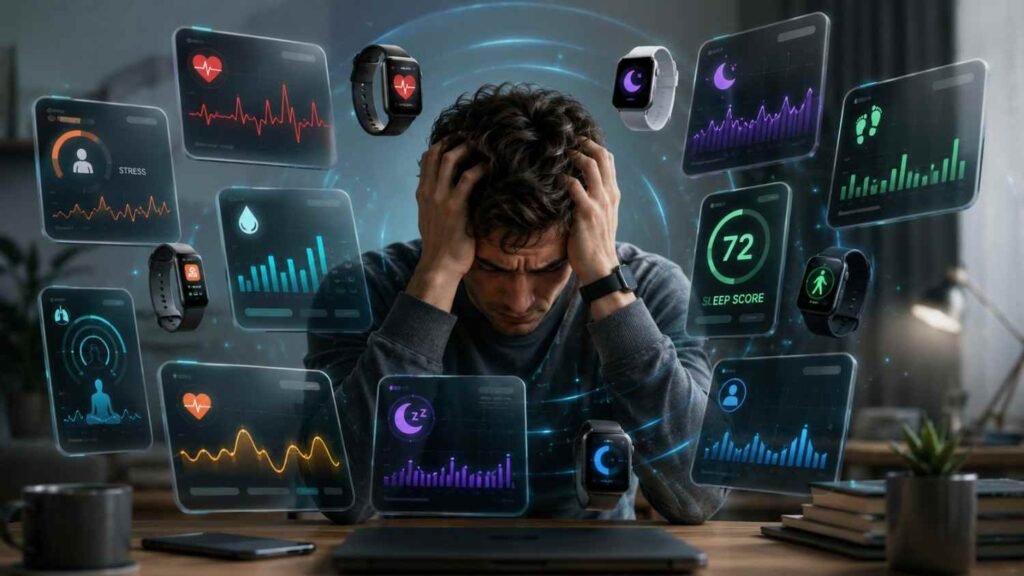
You wake up. Phone buzzes. Smartwatch vibrates. Before your feet hit the ground, you’re already scrolling through metrics. Sleep quality. Stress levels. Heart rate variability. Recovery index. All these numbers staring back at you at 6am.
That’s when it hits. The score is lower than yesterday. Your brain immediately goes into overdrive. What does this mean? Am I getting sick? Should I skip my workout? Is my body breaking down?
But here’s the reality: You feel fine. You slept okay. You don’t feel sick. Yet somehow, a device just convinced you otherwise.
The Algorithm Became Your Doctor
Smartwatches aren’t new anymore. They’re everywhere. Wrists at the gym, at the office, at dinner. People checking them constantly. And the thing is, the data looks legitimate. Percentages. Color codes. Scientific-sounding names like “recovery index” and “readiness score.”
We’ve been trained to trust numbers. Numbers feel objective. Numbers feel true. So when a watch tells you your recovery is 45%, you believe it. You believe it more than you believe your own body telling you it’s fine.
Why the Numbers Aren’t Always Right
The problem? These aren’t measurements. They’re predictions. Guesses based on algorithms. Your watch is looking at heart rate patterns, sleep duration, movement data, and then making an educated guess about your physical state. That’s not the same as a doctor examining you. That’s not the same as a blood test. That’s a device making predictions.
I’ve noticed that as devices become more advanced, people automatically assume they’re becoming more accurate. We can already see that happening with developments in wireless heart monitoring technology, where sensors are becoming smaller, smarter, and more sophisticated. But even the most advanced technology still has limitations.
And predictions fail. A lot.
Your sensor might be sitting wrong. You could be dehydrated. Too much caffeine yesterday. Stress about work. Didn’t sleep well because of noise. The watch doesn’t know any of this. It just sees the data and spits out a number.
People Are Getting Stuck
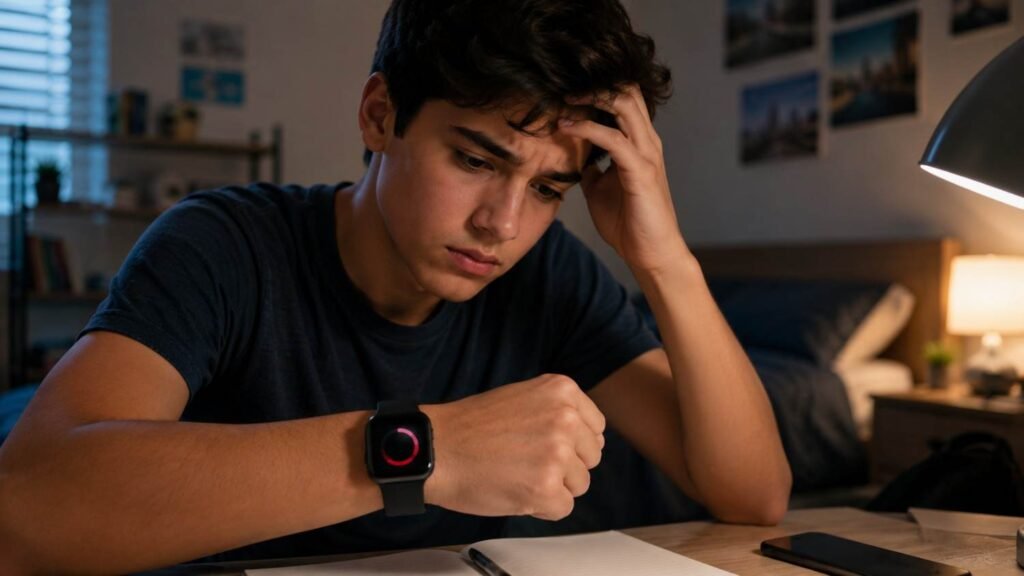
There’s this growing thing happening where people are becoming genuinely anxious about their smartwatch data. Not just casually interested. Anxious. They check it obsessively. Multiple times per day. They feel stressed when they can’t access it. Their entire mood depends on what the numbers say.
I’ve seen people cancel gym sessions because their recovery score was low. Skip important meetings because the watch said their stress was high. Feel guilty for an entire day because they didn’t hit their step count. The device went from being a tool to being a source of constant judgment.
When Data Turns Into Anxiety
It’s not random people. It’s people who are already prone to anxiety. Perfectionists. People who like control. They see a number that’s not ideal and their brain immediately goes to the worst case scenario.
I’ve also started noticing a bigger conversation around digital wellbeing over the past few years. Discussions about child digital safety regulations show that concerns about our relationship with technology are growing well beyond smartphones and social media.
The watch was supposed to help them understand their health better. Instead it created a new source of worry.
What Doctors Actually Think
I spoke with a cardiologist about this. His take was pretty straightforward. Smartwatches can be useful. They can help people notice patterns. Sometimes they catch something worth investigating. An irregular heartbeat, for example. That’s valuable.
But and this is important, a smartwatch is not a medical device. It’s a screening tool. It’s a guess. Not a diagnosis.
A Warning Isn’t a Diagnosis
One weird reading means almost nothing. Your sensor could be dirty. You could be moving around too much. You might be dehydrated. The algorithm might just be wrong. It happens constantly.
Here’s the other side of it though. A normal reading doesn’t mean you’re fine if you’re actually experiencing symptoms. If you’re having chest pain or can’t breathe properly, that matters infinitely more than what your watch says. Don’t ignore real symptoms because your device says everything’s normal. That’s dangerous.
Real medical diagnosis involves a doctor. Someone who knows your history. Someone who can examine you. Someone who can order tests. Not a device on your wrist.
The Daily Fluctuations Are Just Noise
Your heart rate changes throughout the day. That’s normal. Your sleep varies. Some nights you sleep great, other nights not so much. Normal. Your stress goes up and down. Also normal. This is how human bodies work.
But people are now treating these normal fluctuations like they’re problems. One night of poor sleep becomes a crisis. One day of low activity becomes a failure. One weird heart rate reading becomes a health scare.
It’s interesting because every year we see more products entering the market and more people embracing the latest developments in consumer technology. The technology itself isn’t the problem. The problem starts when we allow it to replace common sense and our own judgment.
Focus on Patterns, Not Perfection
If you’re going to track anything, look at the big picture. Are you more active than you were six months ago? That’s useful. Is your sleep generally better or worse over a month? That tells you something. Are you making actual changes to how you live? That matters.
The daily stuff is just noise. Worrying about it just creates stress. Which ironically probably makes your stress levels worse, which then shows up on your watch, which then stresses you out more. It’s a cycle.
When It Becomes a Problem
You’ve crossed a line if you’re constantly anxious about checking your watch. If your mood depends on the numbers. If you ignore how you actually feel because the device says something different. If you feel guilty about bad readings. If you skip activities because of a low recovery score. If you check it constantly throughout the day.
Signs You’ve Become Too Dependent
The biggest warning sign is when the watch makes you less confident in your own body. That’s backwards. You’re supposed to understand yourself better, not worse.
Getting Back to Normal
You don’t have to throw the watch away. But maybe use it differently.
Before you check it in the morning, actually pay attention to how you feel. Are you tired? Do you have energy? What’s your mood? Just observe. Then check the watch. See if they match. Usually they do. Sometimes they don’t. Your body is probably right.
Learning to Trust Yourself Again
Stop treating individual days like they matter. One bad night of sleep isn’t a crisis. One weird reading isn’t a diagnosis. One day of low activity isn’t a failure. These things happen to everyone.
The numbers aren’t judging you. They’re just data. A score of 55 doesn’t mean you’re failing at life. It means a device took some measurements and made a guess.
If something actually feels wrong, that’s what matters. Real symptoms. Chest pain. Trouble breathing. Severe dizziness. Exhaustion that won’t go away. Those things need a real doctor. Not a smartwatch.
Take the watch off sometimes. Leave it off for a few days. Remember what it felt like to just exist without constantly monitoring yourself. That’s probably healthier than anything the watch can tell you.
Questions People Ask
I check my smartwatch constantly. Is that normal? If you can’t go an hour without checking it, that’s not normal. The device should help you, not own you. If you feel anxious when you don’t have it or can’t access the data, that’s addiction territory. Worth stepping back and thinking about why you need to know this stuff constantly.
Can my smartwatch diagnose a health problem? No. It can notice something unusual and alert you. That’s helpful. But diagnosis requires a doctor who knows your history, can examine you, and can run tests. A smartwatch is like a heads up. It’s not a diagnosis.
Why does my smartwatch make me feel worse about my health? You’re now aware of data you weren’t aware of before. Your brain is probably interpreting it in the worst way possible. You see a stress reading and think something’s wrong. But you were probably stressed anyway. You just didn’t know it. The watch didn’t cause the stress. It just told you about it. Now you’re worried about being stressed.
Should I stop wearing my smartwatch? Not necessarily. But change how you use it. Stop checking it constantly. Stop letting the numbers control how you feel. Use it to spot trends, not to judge yourself every single day. If it’s genuinely making your life worse, take a break from it. There’s no rule that says you have to wear one.
What health stuff is worth tracking? Track things that show patterns over weeks or months. Your overall activity level. Whether your sleep is better or worse than it was a few months ago. Whether you’re actually making lifestyle changes. That’s useful. Don’t track daily changes in heart rate or specific recovery scores. That’s just noise that’ll drive you crazy.
How do I know if my smartwatch reading is accurate? You don’t really. A bunch of things mess with the data. Your skin might not be making good contact with the sensor. You could be dehydrated. You might’ve had too much coffee. You could be stressed about something else. The watch is making a guess. Treat it that way.
What should I do if my smartwatch shows something concerning? Talk to your doctor. Don’t panic. Don’t ignore it either. Just mention it and let them figure out if it’s worth investigating. They’ll know whether to take it seriously or whether it’s probably just a sensor error or a normal fluctuation.
Can my smartwatch catch a serious health problem? Maybe. Some watches are decent at noticing irregular heart rhythms or other patterns that might need medical attention. But they’re not perfect. They can also give false alarms. Use them as one piece of information, not your only source of health info. If you’re worried about your health, see a doctor. Don’t rely on a watch to keep you safe.
Disclaimer
The information in this article is intended for educational and informational purposes only and should not be considered medical advice. Smartwatches and fitness trackers can provide useful insights, but they are not substitutes for professional medical evaluations, diagnoses, or treatment. If you experience concerning symptoms or have questions about your health, consult a qualified healthcare professional.
With more than 15 years of experience in digital marketing, Abdul Raheem has helped businesses across different industries grow their online presence, increase visibility, and achieve measurable business goals. Abdul has been actively focused on evolving search technologies including GEO (Generative Engine Optimization), AEO (Answer Engine Optimization), AIO (AI Optimization), and AI driven search experiences.