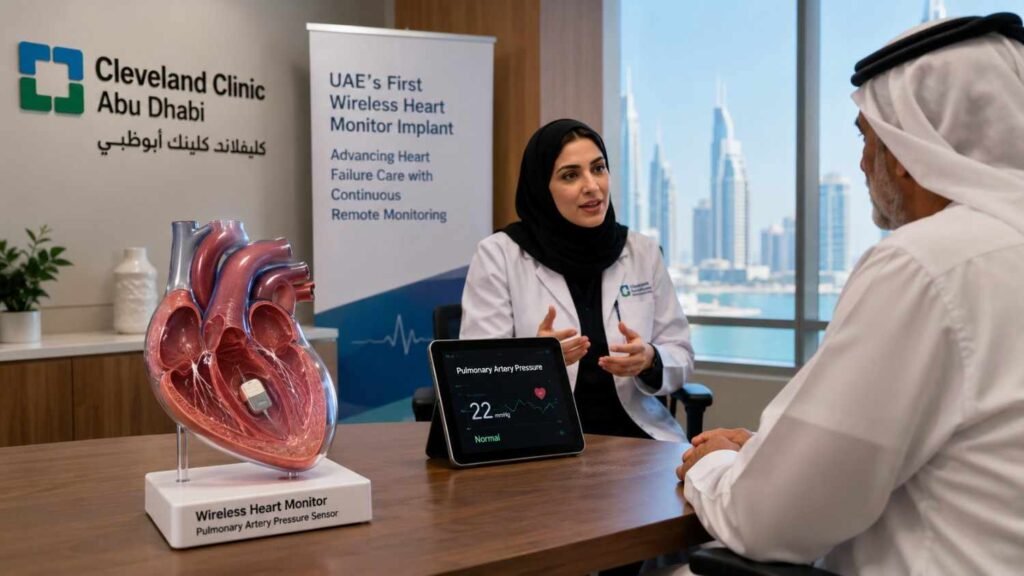
Cleveland Clinic Abu Dhabi started doing something new. They’re putting this wireless heart monitor inside people. It’s a small thing that goes in your artery and keeps track of your heart stuff. Pretty cool if you ask me.
The way it works is you get this sensor put into your pulmonary artery. That’s the blood vessel going from your heart to your lungs. Once it’s there, it just sits and measures pressure. Then it sends that info to your doctors. They can see what’s happening without you having to come in all the time.
Two people in Abu Dhabi got this done already. One guy is 62, another is 79. Both Emirati. Both had been going to the hospital over and over because their hearts weren’t doing well. So for them, having something that watches their heart all the time is probably a relief.
This is the first time it’s being done in the emirate. Cleveland Clinic Abu Dhabi is the only place offering it right now. That’s kind of a big deal honestly. Shows they’re on top of the latest medical stuff. Not every hospital jumps on new technology right away but they did.
Who Needs This Thing
Not everyone gets this implant. You gotta have pretty serious heart failure. And you need to have been in the hospital at least once in the last year, even though you were already on medications.
If that sounds like you, maybe ask your doctor about it. Especially if you’ve been in and out of the hospital a lot. The whole point is for people whose heart problems keep getting worse no matter what pills they take.
Who May Qualify for the Implant
The doctors are looking for people in that situation. You know, the ones who feel okay for a bit, then suddenly they’re back in the ER. That’s rough. And expensive. This device is supposed to stop that from happening.
So basically if you’ve got moderate to severe heart failure and you’ve had to be hospitalized despite being on heart meds, you might be a candidate. Your cardiologist would need to evaluate you and see if it makes sense. Not everyone with heart problems qualifies. It’s specifically for people who are struggling to manage their condition with medication alone. If you’re in that boat it might be worth discussing with your doctor.
The Procedure
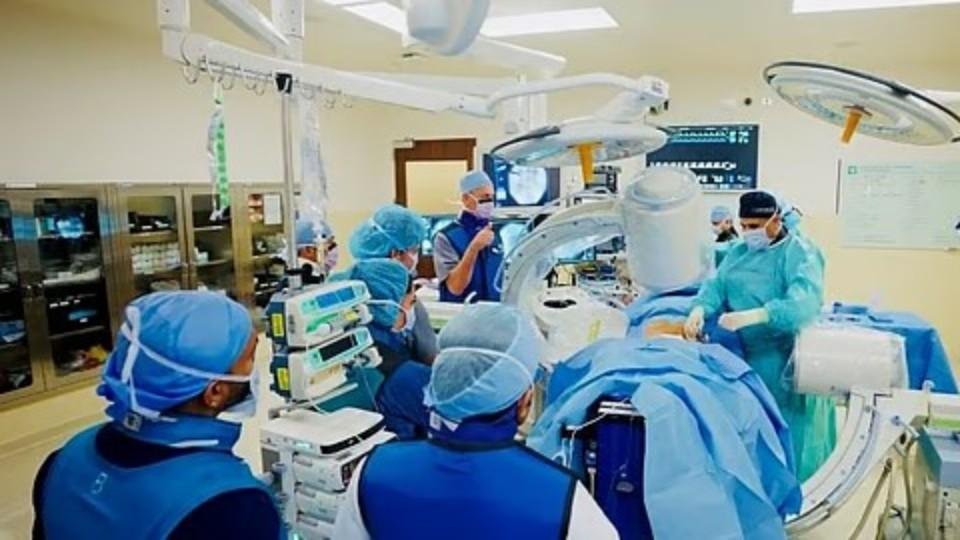
They do this in a special room at the hospital. You get numbed up with local anesthesia and they give you something to relax. Takes about 1-2 hours usually.
The doctor makes a small cut and threads a tube called a catheter to your pulmonary artery. They put the sensor in the right spot. Then they pull the catheter out and the sensor stays there.
Recovery After the Wireless Heart Monitor Implant
After that you hang around the hospital. Most people stay overnight. Some go home same day if everything’s fine. By the next day or two you’re doing normal stuff again. It’s not like open heart surgery or anything where you’re out for weeks.
Once it’s in there, the sensor does its thing. Sends info to your doctors. You don’t gotta do anything special. Just take your meds like normal. Go to your appointments. But now your doctors can see what’s happening with your heart whenever they want.
What Happens After the Device Is Implanted
It’s pretty quiet once it’s in. You won’t feel it. No bandages. No pain really. Just living your life while the device works in the background.
The recovery is honestly pretty straightforward. You’re not dealing with major restrictions. You can walk around. You can eat normal food. You’re not stuck in bed or anything. The hospital just wants to make sure there’s no complications before you go home. After that you just go about your day. The sensor is working 24/7 but you don’t have to think about it.
Why This Matters
Having heart failure is stressful. You’re always wondering if today’s the day you end up in the hospital. You feel fine one minute, then suddenly you can’t breathe. That’s scary. And it happens a lot.
This monitor changes things. Your doctors can see problems coming before you even feel sick. They see the pressure going up. They call you. They change your meds. You never get to the point where you’re in crisis.
Earlier Intervention Means Better Care
Dr. Georges Pascal Haber, the head guy at Cleveland Clinic Abu Dhabi, said doctors used to just wait for people to get sick then fix them. Now they can stop problems before they start. That’s a better way to do it.
It’s interesting because this shift towards continuous monitoring isn’t limited to healthcare. Abu Dhabi’s broader AI monitoring initiatives are also transforming sectors like maritime safety, where real time data is helping authorities respond faster and make better decisions.
There’s a cardiologist there named Dr. Nadya Almatrooski. She said patients feel better when they know someone’s watching. They have fewer problems. Less stress. Life is just better for them.
The hospital itself is pretty good at heart stuff. They’re ranked number one for cardiology in the Middle East. So they’re not just throwing random new tech at people. They actually know what they’re doing.
Reducing the Burden of Heart Failure
Think about it from a practical angle. If you’ve been hospitalized a bunch of times, you’re probably stressed about your health. Maybe you’re missing work. Maybe you’re worried about money. Maybe your family’s stressed. This monitor won’t fix everything but it does mean fewer hospital trips. That’s huge. Less time away from work. Less money spent. Less stress all around.
The thing is, when you’re dealing with heart failure, you’re constantly on edge. You don’t know if you’re going to have a bad day or a good day. You’re managing multiple medications. You’re trying to figure out what’s normal and what’s a warning sign. It’s exhausting. Having a device that’s constantly monitoring and alerting your doctors to problems before they get serious is a game changer for people in that situation. It gives you peace of mind. You can actually relax a bit knowing someone’s got your back.
Remote Monitoring is Getting More Common
This is part of a bigger thing happening in medicine. Doctors are using tech to keep an eye on patients when they’re not at the doctor’s office. It’s not just heart monitors. There’s stuff for other things too. But it’s all the same idea. More data equals better decisions equals better results.
I’ve noticed the same pattern beyond healthcare too. AI adoption across UAE organisations is accelerating, with both public and private sectors using intelligent systems to improve decision making and everyday services.
The UAE has been putting money into healthcare for a while now. Good hospitals. Good doctors. Latest equipment. This heart monitor is another example of that. Shows they’re serious about giving people access to modern medicine.
You can also see this alongside the UAE’s growing focus on AI and data governance, making sure advanced technologies are introduced with clear standards around privacy, security and responsible use.
What This Means for Patients in the UAE
If you live in Abu Dhabi or the UAE, that’s good news. You don’t have to fly somewhere else to get good heart care. You can get it here. That matters when you’re dealing with a health issue like this.
Remote monitoring is becoming standard in a lot of healthcare settings. It makes sense when you think about it. Doctors can see trends in your data. They can spot problems early. Patients don’t have to go to the hospital as much. Everyone wins. The technology is getting better and more reliable too. So it’s not like you’re taking a risk by using something that’s not proven yet. This stuff has been tested and used successfully in hospitals around the world.
What Happens If You Get It
If your doctor says this might be good for you, here’s the deal. The surgery is quick. Recovery is quick. You don’t have to do anything different after. Your doctors just watch you from their office.
This isn’t a cure for heart failure. You still take your meds. You still eat right. You still exercise like your doctor tells you. But you got an extra layer of protection. Your doctors know what’s going on before it becomes an emergency.
Continuous Monitoring After the Procedure
The monitoring never stops. That’s the big difference from regular doctor visits. At regular appointments you go in, they check your vitals, you leave. If something changes the next day, nobody knows. With this system your doctors see the numbers in real time. Something’s off, they reach out right away instead of waiting for your next appointment.
Also worth knowing that this tech has been used in other countries for years. It’s not new or experimental. The FDA approved it. Hospitals all over use it. Cleveland Clinic Abu Dhabi is bringing something that already works to the region.
So you’re not a guinea pig or anything. This is established technology. The clinic has the expertise to do it right. And for people who’ve been struggling with repeated hospitalizations, it could genuinely make a difference in their quality of life. That’s what matters.
Questions About This
What is the wireless heart monitor?
Small sensor that goes in your pulmonary artery. Measures pressure. Sends data wirelessly to your doctors.
Do I qualify?
You need moderate to severe heart failure and at least one hospital stay in the past year even though you were on heart meds. Your cardiologist can tell you if it’s right for you.
How long is the surgery?
About 1-2 hours. Done in a cardiac catheterization lab. Local anesthesia and sedation.
When can I do normal stuff?
Most people are back to normal within a day or two. Might need to take it easy a bit but no long recovery.
How does this prevent hospital visits?
Your doctors see warning signs in your heart pressure readings before you get symptoms. They adjust your treatment. Usually stops things from getting bad enough to need hospitalization.
Where can I get this?
Cleveland Clinic Abu Dhabi is the first place in the emirate doing this. Might spread to other hospitals later.
Does it need maintenance?
No. Once it’s in it just works. Don’t gotta do anything special. Follow your doctor’s regular instructions.
What about the battery?
Device lasts several years. Your doctors keep an eye on it. If it needs replacing down the road they’ll tell you.
Will I feel it?
Most people don’t feel anything. It’s small and inside your artery. Won’t notice it during the day.
Is my data private?
Yeah. Data transmission is encrypted. Medical info is protected by healthcare privacy laws. Only your authorized doctors see it.
Can I travel?
Yes. After you recover from the procedure you can travel normally. No flying restrictions or anything. Just follow your doctor’s advice during recovery.
Is there any pain after the procedure?
Most people don’t experience significant pain. You might feel some soreness at the incision site but nothing major. Your doctor will give you pain management instructions if needed.
How often do I need to see my doctor?
You’ll still have regular appointments. The remote monitoring doesn’t replace that. But your doctor can see your data between visits so they can make adjustments as needed.
What if I don’t like having the device?
That’s something to discuss with your doctor. It’s your body and your choice. But most patients who get it are happy with it because it reduces their hospital visits and gives them peace of mind.