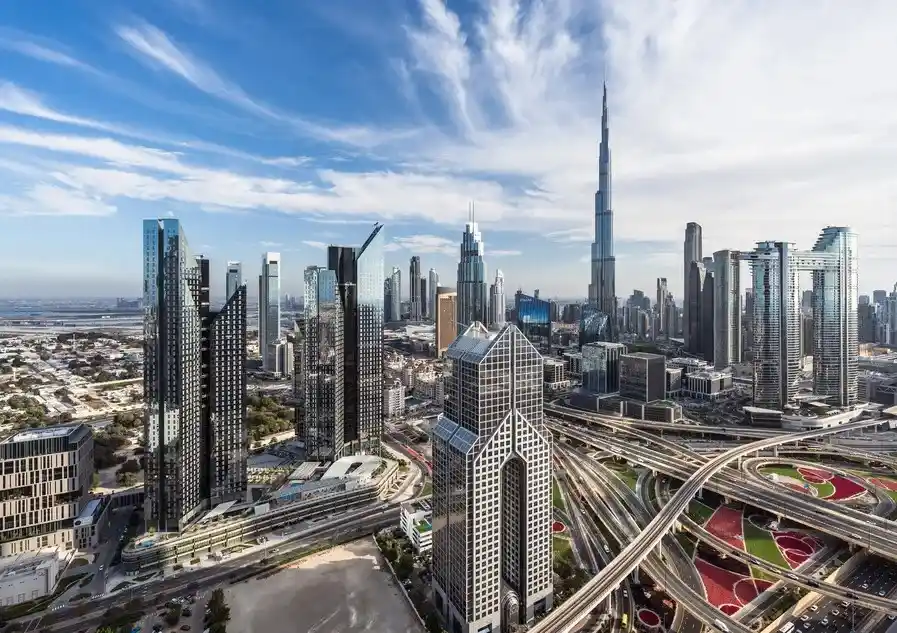
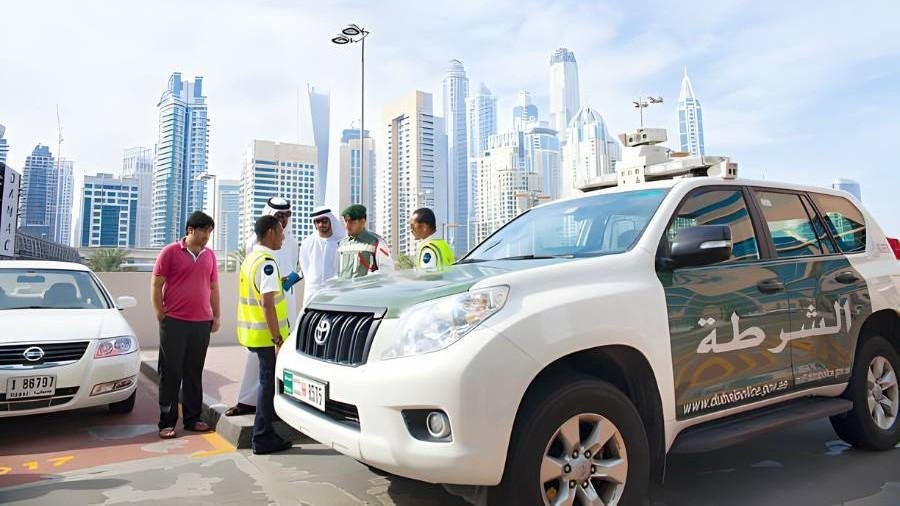
Dubai ranked second in the world’s first Intelligent Cities Index, a new global study by Boston Consulting Group. London scored higher. New York, Washington and Amsterdam came in below Dubai, in that order.
The index covered 61 major cities. It measured how well each one uses AI, data and digital government services in daily life. Dubai landed in the top “leading” tier, a group of just five cities worldwide.
For anyone running a business, working in tech, or living in the UAE, that ranking says something specific about how government services and everyday apps get built here, and what’s coming next.
What is the BCG Intelligent Cities Index?
It’s BCG’s first global ranking of how cities use AI and digital technology to run public life. The index scores 61 cities across five areas: outcomes, strategy, adoption, ways of working, and enablers.
Those scores sort every city into one of four tiers: leading, accelerating, emerging, or developing. Dubai sits in the leading tier, the highest one, alongside four other cities.
Technology use alone won’t get a city into that top tier. A city needs the strategy, talent and funding behind the technology too. An impressive app running on weak governance or a thin talent bench doesn’t clear the bar.
Where Dubai and Abu Dhabi Ranked
The top five cities in the index:
- London
- Dubai
- New York City
- Washington
- Amsterdam
Abu Dhabi came in 20th overall, in the “accelerating” tier, one level below Dubai. It still reached the global top 10 for “enablers,” the category covering infrastructure, funding, talent and ecosystem support. Two UAE cities placed in the top 20 of a brand new global index.
Why Dubai Scored So High
The score came mainly from how Dubai uses AI and smart city technology in everyday public services. BCG lists Dubai as one of the world’s leading adopters of smart city applications, in the same group as Mumbai, Manchester and Boston.
Residents use these apps often, and they rate them well. Frequent use builds trust. Trust makes people more willing to try the next digital service a government department rolls out.
That loop already plays out across live UAE government projects, including the UAE’s first AI-integrated judicial platform and agentic AI assistants at the National Centre of Meteorology. Abu Dhabi runs a version of it on the water too, where an AI-powered monitoring centre tracks 45,000 square kilometres of coastline in real time.
None of these projects get named in the BCG report directly. They still explain the pattern behind the score: UAE government departments keep shipping new AI use cases, and residents keep using them.
The Balance Behind the Ranking
Infrastructure alone does not make a city smart, according to BCG. The cities pulling ahead combine “hard enablers” (AI systems, data, physical infrastructure) with “soft enablers” (talent, venture capital, startup activity).
Dubai is one of 37 cities the report flags for balancing both sides well. Rami Mourtada, a BCG partner on the study, said the cities leading the index get the mix right between deploying technology and investing in people and startup ecosystems. He pointed to the UAE’s position as a benchmark other cities could copy.
That mix shows up locally too. 2PointZero’s Dh7.7 billion profit came partly from its AI-related holdings. Inception42’s partnership with NXT Holding exists specifically to push enterprise AI adoption into government departments.
Who This Ranking Matters To
Business owners and investors can read this as a signal. Dubai’s public infrastructure, from licensing to logistics, runs on systems built to scale, which lowers the operational risk of setting up or expanding here.
For tech and AI professionals, it’s evidence that the UAE actively hires for AI deployment inside government departments, not just at private firms.
Residents get a plainer version of the same benefit: government services that respond faster, apps that hold up under regular use, and infrastructure checked closer to real time.
Anyone job hunting in AI or data roles has one more reason to look at UAE public sector projects. Cities in the leading tier tend to keep that hiring active well after the ranking itself fades from the news.
How this Shows Up in Daily Life
Small, everyday digital habits carry the same logic BCG measures at city scale: checking today’s UAE weather, confirming prayer times, or glancing at the gold rate before a jewellery purchase. Take a real daily need, put a fast, reliable digital layer in front of it, and people keep coming back to use it.
Government platforms run the same logic at a bigger scale. Court filings, weather forecasts and maritime safety checks now sit on systems that update continuously, not on a fixed schedule.
What Comes Next
BCG doesn’t offer a single blueprint for building a smarter city. Some cities improve by staying balanced across every category. Others get there by leading hard in just one or two areas, like governance or funding.
For the UAE, the report leaves a shorter list: track what residents actually need, scale the AI projects already working, and keep funding the people and governance behind them. The UAE’s expanded AI and Data Authority oversight fits directly into that governance piece.
FAQs
Is Dubai the smartest city in the world?
No. Dubai ranked second in BCG’s 2026 Intelligent Cities Index. London ranked first. New York, Washington and Amsterdam rounded out the top five.
What is the BCG Intelligent Cities Index?
It’s Boston Consulting Group’s first global study ranking 61 cities on how they use AI, data and digital services to improve public life. Cities are scored across five categories and sorted into one of four maturity tiers.
Why did Dubai rank higher than New York?
Dubai scored strongly on adoption of smart city applications and AI-driven public services, and on how satisfied residents are with those apps. BCG also credits Dubai for balancing technology investment with talent and startup ecosystem growth.
Where did Abu Dhabi rank?
Abu Dhabi placed 20th globally, in the “accelerating” maturity tier, and still reached the global top 10 for city enablers such as infrastructure, funding and talent.
What makes a city “smart” according to BCG?
BCG measures outcomes, strategy, technology adoption, ways of working, and enablers like infrastructure and talent. A city needs strength across most of these areas. Technology is only one piece of it.