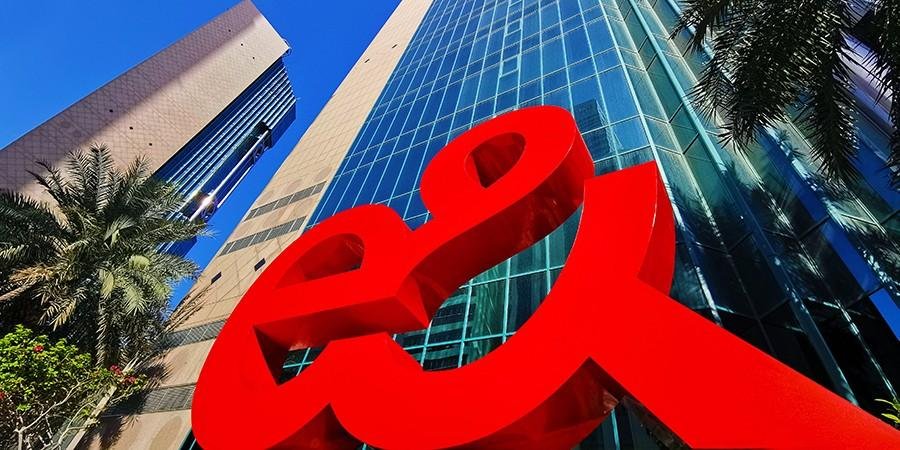
Let’s get straight to it. UAE’s e& just decided to sell off its entire stake in Vodafone. All of it. That’s nearly 4 billion shares, worth around $5.95 billion, going to a French acquisition vehicle called Vega, backed by the Niel family group.
This is not a small portfolio shuffle. It is a deliberate, calculated exit from a four-year investment that started with a lot of promise and is now ending on e&’s own terms. If you follow the telecom space, or even just track how Gulf-based companies are repositioning themselves globally, this deal tells you a lot about where things are heading.
Here is a full breakdown of what happened, how the deal actually works, and what it means going forward.
How the Deal Is Structured
e& is selling 16.21% of Vodafone’s share capital at 112.5 pence per share, which works out to roughly $1.51. That price is made up of two parts: 110.5 pence in cash from Vega, and a final 2026 dividend of 2.02 pence per share that e& will collect on July 30.
The shares are not going directly to Vega on day one. Instead, they are being routed through three financial institutions via off-market block trades. These institutions sit in the middle, holding the shares while Vega works through the regulatory approvals it needs to formally complete the acquisition. Once those approvals come through, the shares transfer to Vega and the deal is done.
After all is said and done, e& walks away with a net cash return of AED4.7 billion, which is about $1.3 billion. The stake also carried 17.13% of Vodafone’s voting rights, so this is not just a financial transaction. It is a full governance exit too.
Why e& Decided to Get Out Now
Back in early 2022, e& started buying into Vodafone. It picked up 9.8% for around $4.4 billion, and over time built that up to 16.21%. At the time, it looked like the beginning of a deeper relationship, possibly even a path toward greater influence over one of Europe’s biggest telecoms.
That did not happen. And now e& is not just selling the shares. It has also terminated its formal relationship agreement with Vodafone, and its board representative has stepped down from the non-executive director role. The company has been very clear: it is not trying to influence Vodafone’s direction anymore.
So what changed? The honest answer is that e&’s priorities shifted. The company has been going through a significant transformation, moving away from being a traditional telecom operator and pushing hard into digital services, enterprise tech, and regional expansion. Holding a minority stake in a British company where you have limited influence does not really fit that picture.
The funds from this sale give e& the flexibility to double down on what actually matters to its growth story right now. If you want to understand how businesses like e& use digital repositioning to stay ahead, our digital strategy services cover exactly that kind of thinking.
What the Numbers Say About e&’s Financial Position
Selling Vodafone at this point is not a distress move. e& is in solid shape financially. In Q1 2026, revenue climbed 15% year on year to AED19.4 billion. Net profit came in at AED2.9 billion, up 4% once you strip out the one-time impact from the earlier sale of Khazna Data Centers in Dubai.
When the Vodafone exit news broke, e&’s shares actually went up 0.8%, closing at AED19.66. That is the market telling you it approves of this decision. Year to date, the stock is already up more than 7%.
The AED4.7 billion net return from this deal adds meaningful liquidity to a company that is already generating strong cash flows. The Emirates Investment Authority, which holds 60% of e&, will likely see this as exactly the kind of smart capital management that keeps a sovereign-backed operator competitive over the long run.
Who Is Vega and Why Does the Niel Family Want Vodafone?
Vega is an acquisition vehicle set up specifically for this deal, and it is wholly owned by France’s Niel family group. If the name Xavier Niel rings a bell, it should. He is the founder of Iliad, the French telecom disruptor that shook up the European mobile market with rock-bottom pricing and forced legacy carriers to rethink their entire business models.
Niel has a pattern of buying into large, established telecom companies and pushing for change from the inside. He is not a passive investor. Getting 17.13% of Vodafone’s voting rights is a meaningful position, and it gives Vega real influence over the direction of one of the UK’s biggest telecoms.
For Vodafone, this is a significant shift in who is sitting at the table. e& was a Gulf-based sovereign-linked investor with a relatively hands-off approach. The Niel family is a European telecom veteran with a very different playbook. Whether that leads to restructuring, asset sales, or a push for more aggressive pricing strategies, Vodafone’s management will be paying close attention to what Vega wants.
What This Move Tells Us About the Telecom Industry Right Now
This deal is not happening in a vacuum. Across the global telecom sector, operators are taking a hard look at their international holdings and asking a simple question: is this investment actually helping us, or is it just capital sitting on the sidelines?
For a lot of companies, the honest answer is the latter. Minority stakes in foreign operators rarely give you the control you need to drive real value. They tie up capital that could be working harder elsewhere. And as the pressure to invest in AI, cloud infrastructure, and next-generation networks grows, that opportunity cost becomes harder to justify.
e& has already been making moves that reflect this thinking. It completed the buyout of Telenor Pakistan. It signed a deal to acquire a broadband operator in Serbia. It sold a stake in Careem for $100 million. Each of these moves is about building a portfolio where e& actually has operational control and a clear path to growth, not just a seat at someone else’s table.
The Niel family, on the other hand, is doing the opposite. They are leaning into European telecom at a time when valuations are compressed and there is real room to create value through operational pressure. It is a contrarian bet, and it is one that Niel has made successfully before.
Where Does e& Go from Here?
The Vodafone exit frees up both capital and management attention. e& has said publicly that the money will go toward sharpening its focus on core businesses. Reading between the lines, that means more investment in AI-driven services, cybersecurity, cloud platforms, and enterprise solutions across its home market and the regions where it already has a strong operational footprint.
This is a company in the middle of a genuine transformation. It started as a traditional telco and is actively rebuilding itself as a technology-first business. The Vodafone stake was a financial investment. What e& is building now is an operating business with real competitive advantages in the markets it knows best.
The exit is clean, the timing is good, and the capital is ready to be put to work. That is about as tidy an outcome as you can ask for from a four-year investment.
Frequently Asked Questions
Why did e& sell its Vodafone stake?
e& reviewed its international investment portfolio and decided that holding a minority stake in Vodafone no longer fit its strategic direction. The company is focused on growing its core digital and technology businesses, and the sale frees up capital to do exactly that.
How much did e& get for its Vodafone shares?
The deal is worth $5.95 billion in total. Each share was priced at 112.5 pence ($1.51), made up of a 110.5 pence cash payment from Vega and a 2.02 pence final dividend due on July 30, 2026.
Who is buying the Vodafone shares from e&?
The buyer is Vega, an acquisition vehicle set up by France’s Niel family group. The Niel family is best known for founding Iliad, the French telecom company that disrupted the European mobile market.
Does e& still have any role at Vodafone after this sale?
No. e& has terminated its formal relationship agreement with Vodafone, and its board representative has resigned from the non-executive director position. e& has no remaining governance role at Vodafone.
When will the transaction officially close?
The deal still needs regulatory approvals before it fully completes. In the meantime, three financial institutions are holding the shares through off-market block trades until Vega clears those requirements.
What will e& do with the money from the Vodafone sale?
e& plans to use the AED4.7 billion net return to invest in its core businesses, which includes digital services, enterprise technology, AI infrastructure, and continued regional expansion.
What does this mean for Vodafone going forward?
Vodafone gains a new major shareholder in the Niel family group, which holds 17.13% of its voting rights. Unlike e&, the Niel family has a history of actively pushing for operational change in the telecom companies it invests in, so Vodafone’s management can expect a more engaged and demanding shareholder.